

Accessory V-Belt Guide for the 1960-1964 Buick Special
Keep your classic Buick's accessories running smoothly by choosing the right replacement V-belts.
- Your Buick Special uses multiple V-belts, not a single serpentine belt. Identify the correct belt for each accessory.
- Choose modern aftermarket brands like Gates or Dayco for better durability than original-style belts.
- Squealing is most often caused by incorrect tension or worn pulleys, not just a bad belt.
- Always inspect pulleys for wear when changing belts and plan to re-check belt tension shortly after installation.
Signs of a Failing Accessory Belt
A worn or failing V-belt on your Buick Special will give you several warning signs. Because your car has more than one belt, you may need to inspect them all to find the source of the problem.
Common Failure Symptoms
- Squealing Noises: A high-pitched squeal, especially when you first start the engine or during hard acceleration, is the most common sign of a loose or worn belt. This happens when the belt slips on the pulley.
- Visible Wear and Damage: Inspect the belts for cracks, fraying, glazing (a shiny, smooth surface), or missing chunks. Belts that are swollen or feel soft may be contaminated with oil or grease.
- Accessory Malfunctions: If your battery isn't charging (dim headlights, dead battery), the generator belt may be the issue. Overheating can point to a problem with the water pump belt, and stiff steering indicates a failing power steering belt.
Choosing the Right Aftermarket Belts
For a classic vehicle like the 1960-1964 Buick Special, finding original equipment (OEM) belts is nearly impossible unless you locate New Old Stock (NOS). However, modern aftermarket belts offer superior technology and materials compared to what was available in the 1960s. Today's belts, often made from durable EPDM rubber, last longer and resist degradation from heat and oil better than the original neoprene belts.
Aftermarket Brand Tiers
When shopping for new V-belts, you'll find several reputable brands. The main difference is often brand reputation and user-reported reliability.
- Premium Aftermarket (Recommended): Brands like Gates and Dayco are top choices among classic car owners. Gates is frequently mentioned as an OEM supplier for many car manufacturers and is known for its quality and durability. Dayco is also a well-respected brand with lab tests showing durability and noise resistance comparable to competitors.
- Standard Aftermarket: Continental is another major brand. While they are a large OEM supplier, some users in forums have anecdotally reported mixed experiences with their aftermarket V-belts. However, they are generally considered a reliable option.
Pro Tip: The most common cause of belt noise and premature failure is incorrect tension or worn pulleys, not the belt itself. When replacing your belts, inspect the pulleys for shininess or damage and ensure they are properly aligned. A new belt may also stretch slightly after the first 45 minutes of use and require re-tensioning.
Typical Replacement Costs
Replacing the V-belts on a Buick Special is an affordable and straightforward job. Since there are multiple belts, costs can vary depending on how many you replace at once.
| Part Type | Estimated Cost |
|---|---|
| New Aftermarket Belts (per belt) | $5.18 - $39.21 |
| Shop Labor | $50 - $150 |
Frequently Asked Questions
How many accessory belts does my 1960-1964 Buick Special have?
It depends on your engine and options. Base models might only have one or two belts for the generator and water pump. Vehicles equipped with power steering and/or air conditioning will have additional belts to run those accessories. You must identify which belt you need to replace, as they come in different lengths.
Why does my new belt squeal?
The most common reason is improper tension. V-belts must be tight enough to grip the pulleys without slipping. If it's too loose, it will squeal. If it's too tight, it can damage the bearings in your alternator or water pump. A new belt may also require a final tension adjustment after a short run-in period.
Can I use a modern serpentine belt instead?
No, not without extensive modification. The 1960-64 Buick Special was designed for a multiple V-belt system. Converting to a single serpentine belt would require custom brackets and pulleys, which is a complex job.
What is a "cogged" V-belt and is it better?
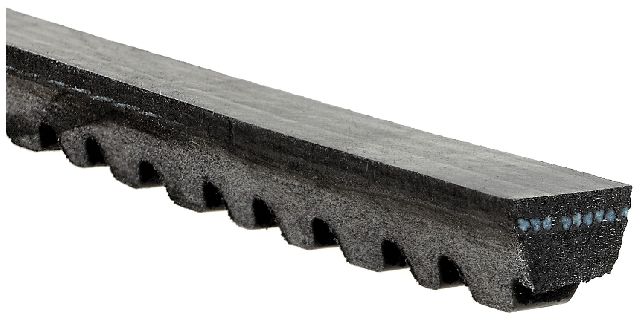
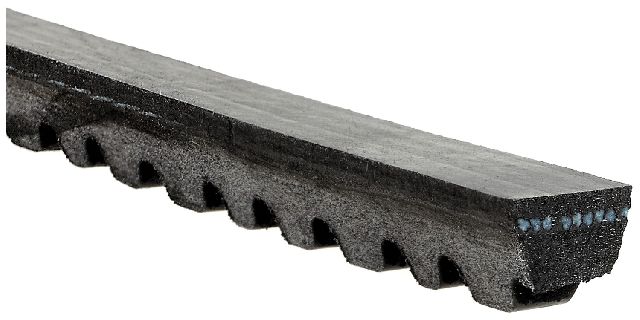
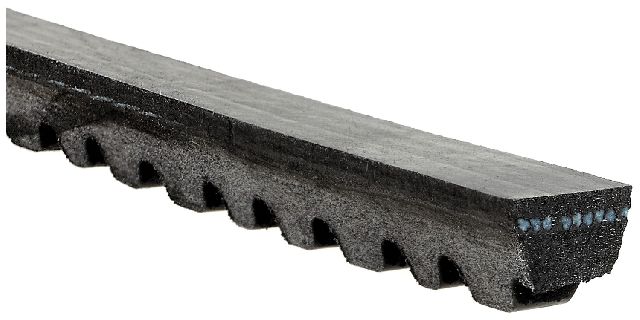
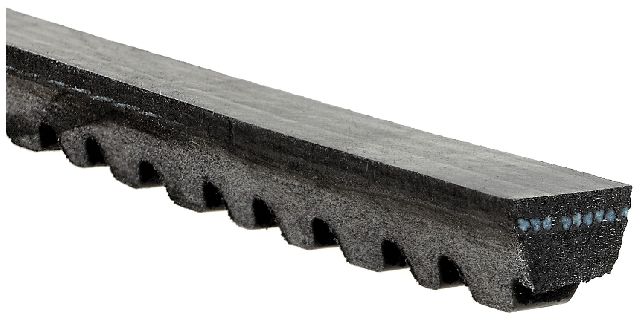
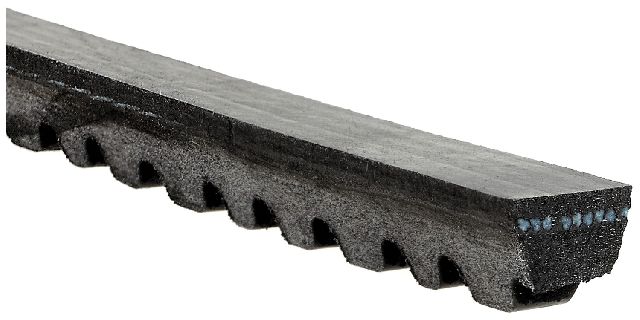
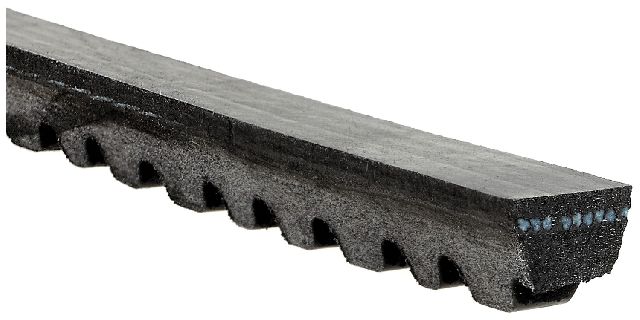
Cogged or notched V-belts have slots on the underside. These slots help the belt bend more easily around smaller pulleys and can help dissipate heat. For many applications on a classic car, they can offer improved flexibility and a longer life.
Technical Specifications
The 1960-1964 Buick Special uses a multiple V-belt system. Belt size and type vary depending on the engine (V6 or V8) and accessories (generator, power steering, A/C). Belts are identified by their top width and length. Modern replacement belts are typically made of EPDM rubber.
We Have This Part in Stock

The information in this article is provided for general reference and educational purposes only. Vehicle specifications, procedures, and part compatibility can vary by production date, trim level, and region. Always consult your vehicle's factory service manual and verify part numbers before purchasing or performing repairs. Safety-critical components such as airbags, seat belts, and braking systems should be installed by a qualified professional.