

A Home Mechanic's Guide to the 1960-1961 Studebaker 6E5 Radiator Coolant Hose
Keep your classic Studebaker 6E5 truck's engine cool and reliable by understanding its most vital rubber components.
- For a 1960-1961 Studebaker 6E5, always choose a new aftermarket hose from a quality brand like Gates over a New Old Stock (NOS) part, as rubber degrades over time.
- Inspect hoses regularly for cracks, bulges, or a soft, spongy feel. A failing hose can lead to sudden engine overheating and critical damage.
- If one radiator hose is being replaced due to age, it is best practice to replace both the upper and lower hoses at the same time.
- Always install new hose clamps when replacing hoses to ensure a proper, leak-free seal.
Signs of a Failing Radiator Hose
On a classic truck like the Studebaker 6E5, rubber parts are often the first to go. Decades of heat cycles and exposure to fluids cause them to break down. Catching a bad hose before it bursts can save you from a breakdown and potential engine damage. Look for these common symptoms:
- Coolant Leaks: This is the most obvious sign. You may find puddles of green or yellow, sweet-smelling fluid under the front of your truck. Leaks often start at the hose connections, so check for crusty residue around the clamps.
- Visible Damage: Do a visual inspection of the hoses. Look for cracks, splits, or areas that look swollen or bulging. Oil contamination can make the rubber feel soft and spongy.
- Hard or Spongy Hoses: When the engine is cool, give the hoses a squeeze. They should feel firm but have some give. A hose that is rock-hard, brittle, or feels mushy is at the end of its life and should be replaced immediately.
- Engine Overheating: A failing hose can leak a significant amount of coolant, causing the engine temperature to rise quickly. A hose can also collapse internally, which restricts coolant flow even if it looks fine on the outside. This is a common issue with older lower hoses that may have lost their internal support spring.
Choosing the Right Aftermarket Hose
Original equipment hoses for a 1960-1961 Studebaker are no longer manufactured. Your options are new aftermarket parts or New Old Stock (NOS). For a wearable rubber part, a new aftermarket hose is the superior and safer choice.
OEM (NOS) vs. Aftermarket Hoses
While finding a 60-year-old Studebaker-branded part might seem appealing, rubber deteriorates significantly over time, even sitting on a shelf. An NOS hose is likely brittle and cannot be trusted. Modern aftermarket hoses from a reputable brand like Gates are made from advanced materials like EPDM rubber, which is engineered to resist heat, chemicals, and degradation far better than the original 1960s materials.
Brand Quality
For classic vehicles, using a trusted brand is important to ensure proper fit and durability. Gates is a well-regarded, top-tier manufacturer of belts and hoses in the classic car community, known for its quality and accurate vehicle cataloging. Their molded hoses are pre-shaped to fit your Studebaker truck's specific engine and radiator configuration, preventing kinks that could restrict coolant flow.
Pro Tip: When you replace your radiator hoses, it is best practice to also replace the hose clamps. Old clamps can lose tension over time and may not provide a secure, leak-free seal on the new hose.
Cost of Radiator Coolant Hoses for 1960-1961 Studebaker 6E5
| Part Type | Estimated Cost |
|---|---|
| New Aftermarket (Gates) | $22.80 - $37.52 |
| New Old Stock (NOS) | Highly variable, not recommended |
| Shop Labor | $100 - $180 |
Frequently Asked Questions (FAQ)
Should I replace both upper and lower hoses at the same time?
Yes. If one hose has failed due to age, the other is made of the same material and has been exposed to the same conditions. It is very likely to fail soon. Replacing both hoses at once is a smart preventative measure.
Can I use a universal or flexible hose?
While universal hoses can work in some situations, a pre-molded hose is always the better option. Molded hoses are designed with the correct bends to match the original part, which prevents kinking and ensures unrestricted coolant flow. Using a universal hose on a tight bend can cause it to collapse or flatten, leading to overheating.
My lower hose looks like it's being sucked flat. What does that mean?
This is a sign of a collapsed hose. The lower hose is on the suction side of the water pump. Older hoses sometimes contained an internal spring to prevent them from collapsing under vacuum. If that spring rusts away or the hose wall weakens with age, it can be sucked flat, starving the engine of coolant. The hose must be replaced immediately.
What kind of coolant should I use in my Studebaker 6E5?
For a classic vehicle of this era, a traditional IAT (Inorganic Acid Technology) coolant, often referred to as 'conventional green', is generally the correct choice. Always consult a service manual for your specific vehicle, but avoid modern OAT (Organic Acid Technology) coolants like Dex-Cool, as they can be incompatible with the metals in older cooling systems.
Technical Specifications
Modern replacement hoses are typically made from EPDM (Ethylene Propylene Diene Monomer) rubber, which is engineered to resist heat, ozone, and chemical degradation from coolant. They are pre-molded to ensure a direct fit without kinking.
We Have This Part in Stock
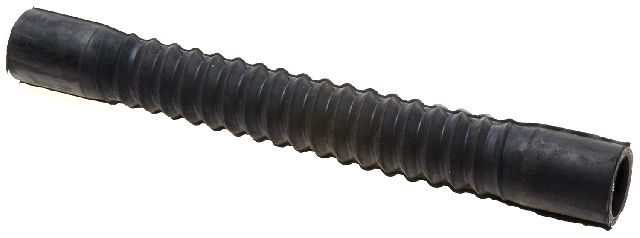
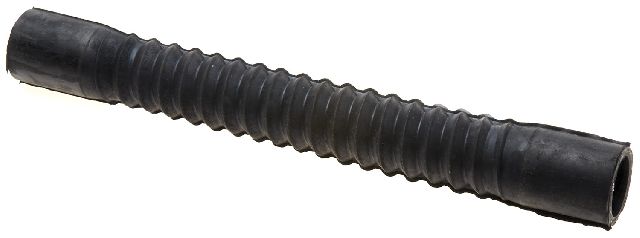
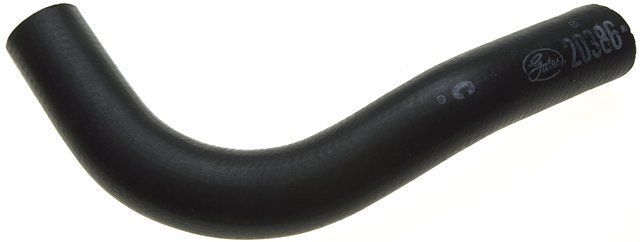

The information in this article is provided for general reference and educational purposes only. Vehicle specifications, procedures, and part compatibility can vary by production date, trim level, and region. Always consult your vehicle's factory service manual and verify part numbers before purchasing or performing repairs. Safety-critical components such as airbags, seat belts, and braking systems should be installed by a qualified professional.