

1960-1961 Dodge Seneca Engine Coolant Bypass Hose Replacement Guide
Keep your classic Seneca's engine safe by understanding the function and failure signs of this critical coolant hose.
- For a 1960-1961 Seneca, aftermarket hoses are the only option; brands like Gates and Dayco offer modern, reliable replacements.
- Always use a pre-molded hose, not a universal one, to ensure proper fit and prevent kinks that restrict coolant flow.
- Symptoms of failure include visible leaks, engine overheating, and physical damage to the hose like cracks or swelling.
- Replacing the bypass hose is a smart, low-cost preventative repair that can save you from catastrophic engine damage.
Is Your Seneca's Bypass Hose Failing?
On a classic car like the 1960-1961 Dodge Seneca, rubber components are often the first to fail due to age. The bypass hose is no exception. A failure can lead to rapid overheating, which can cause serious engine damage. Be aware of the common warning signs.
Key Failure Symptoms
- Coolant Leaks: This is the most common sign. You may find a puddle of green or yellow, sweet-smelling liquid under your car. A slow leak might just leave a crusty residue on or around the hose.
- Engine Overheating: If the hose bursts or has a major leak, the coolant level will drop quickly, causing the engine temperature to rise into the red zone on your gauge.
- Visible Hose Damage: Inspect the hose regularly. If you see cracks, splits, or any swelling or bulging, the hose is weak and needs immediate replacement. Hoses that feel rock-hard or spongy to the touch are also at risk of failing.
- Low Coolant Level: If you find yourself frequently adding coolant to the radiator or overflow tank, a slow leak from a deteriorating bypass hose could be the culprit.
Choosing the Right Aftermarket Hose
For a vehicle as old as the Seneca, finding original equipment (OEM) parts is nearly impossible. Aftermarket manufacturers are the primary source for replacement hoses. Modern rubber compounds, like the EPDM used by major brands, are often more resistant to heat and degradation than the original 1960s materials.
Brand Quality: Dayco vs. Gates
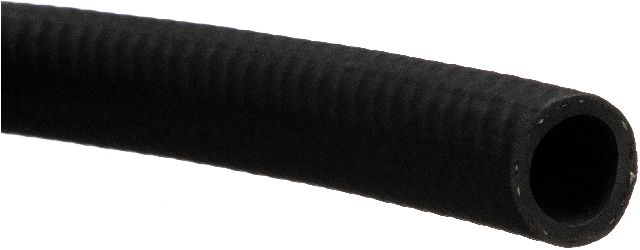
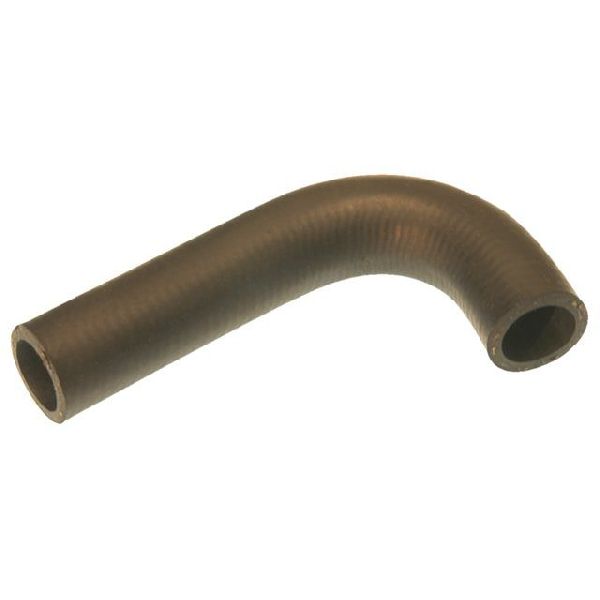
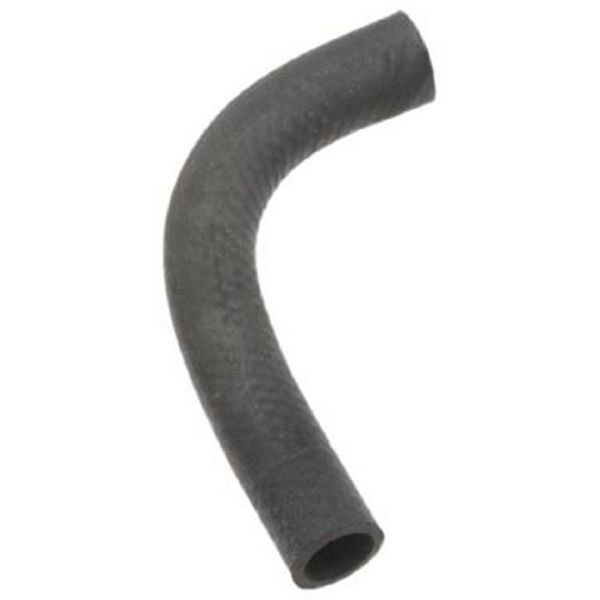
Both Dayco and Gates are reputable brands that produce molded bypass hoses for your Seneca. A molded hose is crucial because it is pre-shaped to fit perfectly in the engine bay, preventing kinks that can restrict coolant flow. Do not use a universal or flexible straight hose.
- Gates: Often preferred by mechanics for classic cars due to a reputation for excellent fitment that closely matches original parts. This can make installation easier and ensure a reliable seal.
- Dayco: A solid alternative, sometimes noted for having a thicker hose wall. However, some users have reported occasional fitment issues compared to Gates.
Pro Tip: When choosing between the two, either brand is a quality choice. However, if there is a minimal price difference, the consistent positive feedback on Gates' fitment gives it a slight edge for a hassle-free replacement.
Cost of Replacing the Engine Coolant Bypass Hose
The cost is relatively low, making this a smart piece of preventative maintenance. The main expenses are the part itself and about an hour of shop labor if you don't perform the work yourself.
| Part/Service | Estimated Cost |
|---|---|
| New Aftermarket Hose | $16 - $82 |
| Shop Labor | $90 - $150 |
| Total Estimated Cost | $106 - $232 |
Note: Costs are estimates and can vary based on your location and the specific parts chosen. New OEM parts are not available for this vehicle.
Frequently Asked Questions (FAQ)
Are there any recalls for the Seneca's bypass hose?
No. There are no recalls from the National Highway Traffic Safety Administration (NHTSA) for this part. The modern recall system was not fully in place when the Seneca was manufactured, and safety recalls generally do not apply to vehicles over 15 years old. Any failures are due to the age of the part.
Can I replace the bypass hose myself?
Yes, this is a good DIY project for someone with basic mechanical skills. The job involves partially draining the coolant, using pliers or a screwdriver to loosen the hose clamps, removing the old hose, fitting the new one, and then refilling and bleeding any air from the cooling system.
Should I replace the hose clamps too?
Yes, it is highly recommended to use new hose clamps. Old clamps can lose their tension over time and may not provide a secure seal on the new hose, leading to leaks.
How often should I replace my coolant hoses?
For a classic car like the Seneca, it's wise to inspect all coolant hoses annually. As a preventative measure, if you don't know the age of your hoses, you should replace them all. Otherwise, replacing them every 5-7 years is a good rule of thumb to avoid being stranded by a sudden failure.
Technical Specifications
Material: EPDM Rubber. Type: Molded (vehicle-specific shape). Compatible Engines: Slant-6, 318 V8.
We Have This Part in Stock

The information in this article is provided for general reference and educational purposes only. Vehicle specifications, procedures, and part compatibility can vary by production date, trim level, and region. Always consult your vehicle's factory service manual and verify part numbers before purchasing or performing repairs. Safety-critical components such as airbags, seat belts, and braking systems should be installed by a qualified professional.