

Accessory Drive Belt Guide for the 1960-1961 Dodge Phoenix
Keep your classic Phoenix running reliably by understanding its V-belt system and choosing the right modern replacements.
- Your Phoenix uses multiple V-belts, not a single serpentine belt; inspect all of them during service.
- New aftermarket belts from a quality brand like Gates are superior in material and durability to the original 1960s parts.
- Failure of the water pump belt is critical and requires you to stop the engine immediately to prevent damage.
- There are no specific recalls or TSBs; problems are due to normal wear and tear, so regular visual checks are essential.
Signs of a Failing Accessory Belt
A failing V-belt on your Dodge Phoenix will almost always give you a warning sign before it breaks. Being stranded is avoidable if you know what to look and listen for.
- Squealing Noises: This is the most common symptom. A loud squeal, especially when you start the engine or accelerate, often means a belt is loose or has become hardened and is slipping on the pulleys.
- Visible Wear and Tear: A visual inspection can reveal a lot. Look for cracks, fraying, glazing (a shiny, smooth surface), or missing chunks on the belt. Any visible damage means the belt is due for replacement.
- Accessory Malfunctions: If your battery isn't charging (dimming lights), the engine is overheating, or the power steering becomes heavy, it could be due to a broken or slipping belt. For example, a failing generator/alternator belt will prevent the battery from charging. A broken water pump belt will cause the engine to overheat very quickly.
Choosing the Right Aftermarket Belts
For a classic vehicle like the 1960-1961 Phoenix, finding original equipment (OEM) belts from Mopar is no longer possible. All available new belts are from aftermarket manufacturers. This is good news, as modern belt technology is far superior to what was available in the early 1960s.
V-Belts vs. Serpentine Belts
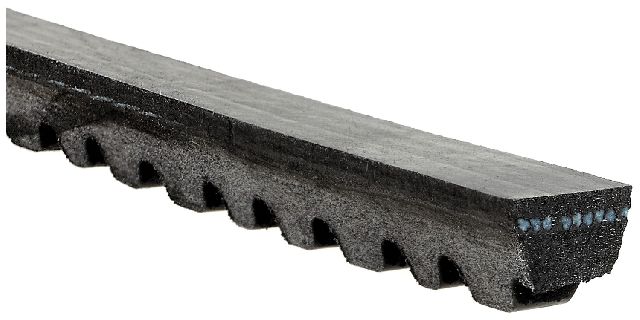
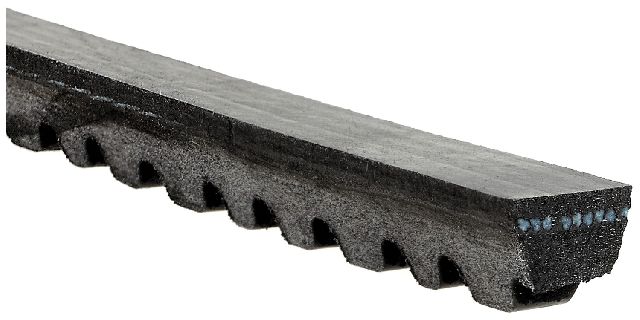
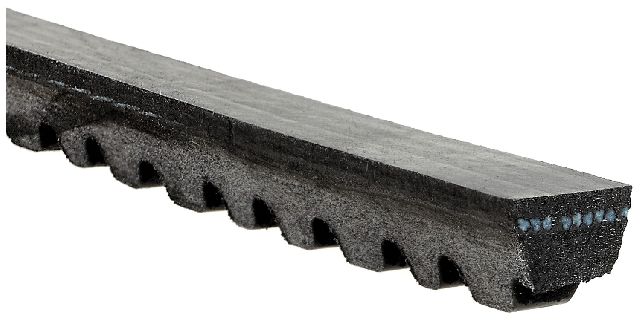
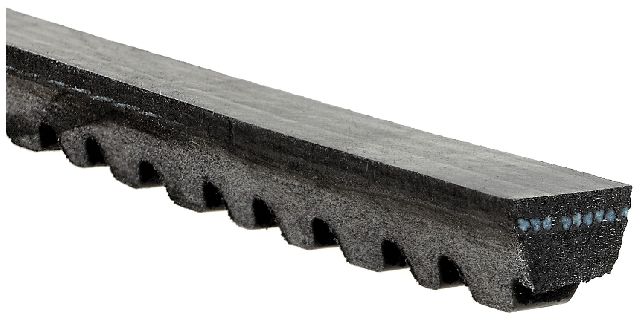
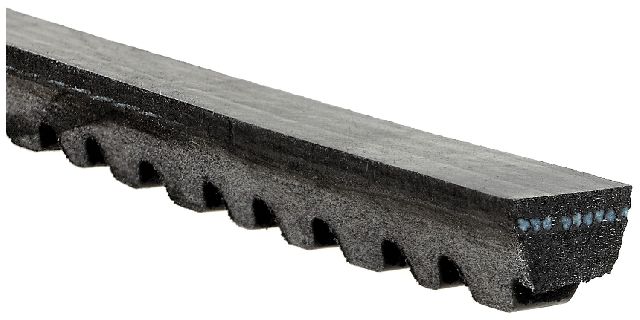
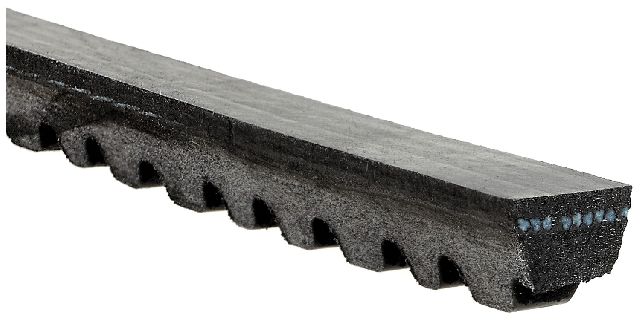
Your Phoenix uses multiple V-belts. Each belt typically drives one or two accessories. It's important to identify which belts your car needs, as this depends on the engine (likely the 318 V8) and options like power steering or A/C. When one belt is being replaced, it's wise to inspect, and likely replace, all of them at the same time.
Brand Spotlight: Gates
Gates is a well-known and respected brand in the aftermarket. They are considered a top-tier supplier for many new cars and offer high-quality replacement belts for classic vehicles. Forum users and mechanics generally have positive experiences with Gates belts, noting their durability. While occasional quality issues can be reported with any brand, Gates remains a reliable and readily available choice for your Phoenix. Their modern V-belts are made from EPDM rubber, which resists heat and cracking much better than the original materials.
Estimated Replacement Costs
The cost to replace the accessory belts on your Phoenix is reasonable. The primary cost is the parts themselves, as labor is straightforward for a mechanic or an experienced DIYer.
| Item | Estimated Cost |
|---|---|
| Aftermarket V-Belt (Single) | $5 - $39 |
| Shop Labor | $75 - $150 |
| Total Estimated Cost (Full Set) | $95 - $250 |
Note: Prices are estimates and can vary based on your location, the number of belts your vehicle requires, and local labor rates.
Known Issues & Recalls
There are no active recalls or Technical Service Bulletins (TSBs) from the NHTSA for accessory drive belts on the 1960-1961 Dodge Phoenix. The primary issues are simply related to the age and natural wear of rubber belts. Regular inspection is the best way to prevent failure.
Frequently Asked Questions (FAQ)
How many belts does my 1961 Phoenix have?
It depends on the options. A base model might have only two belts (e.g., one for the alternator/water pump, one for power steering). A fully-equipped model with air conditioning could have three or more belts. The only way to be certain is to inspect your specific vehicle's engine bay.
Can I replace the belts myself?
Yes, this is a very DIY-friendly job for someone with basic mechanical skills and tools. The process involves loosening the bolts on an accessory (like the alternator) to create slack, removing the old belt, fitting the new one, and then tensioning the belt by prying the accessory back before tightening the bolts. There are no complex tensioners like on modern cars.
How tight should the new belts be?
A good rule of thumb for V-belts is that you should be able to twist the belt about a quarter turn (90 degrees) with your fingers at the longest point between pulleys. It should not have more than about half an inch of deflection when you press on it firmly. An overly tight belt can damage the bearings in the accessories, while a loose belt will slip and squeal.
Are modern belts better than the originals?
Absolutely. Modern aftermarket belts from brands like Gates are made with advanced EPDM rubber compounds that are far more resistant to heat, oil, and cracking than the neoprene belts used in the 1960s. A new aftermarket belt will almost certainly last longer than the original ever could.
Technical Specifications
System uses multiple V-belts. Belt lengths and quantities vary based on engine and accessories (A/C, Power Steering).
We Have This Part in Stock

The information in this article is provided for general reference and educational purposes only. Vehicle specifications, procedures, and part compatibility can vary by production date, trim level, and region. Always consult your vehicle's factory service manual and verify part numbers before purchasing or performing repairs. Safety-critical components such as airbags, seat belts, and braking systems should be installed by a qualified professional.