

Accessory Drive Belt Guide for the 1960 Studebaker 5E7D Truck
Keep your classic Studebaker's engine running cool and charging properly with the right V-belt.
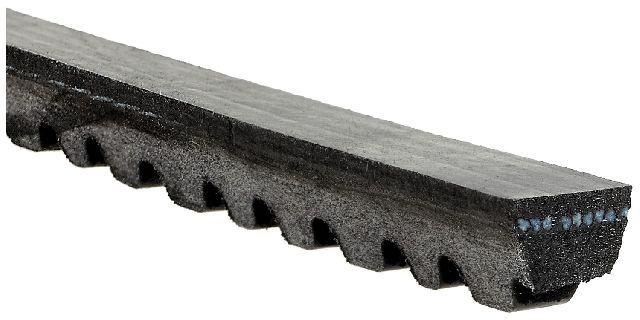
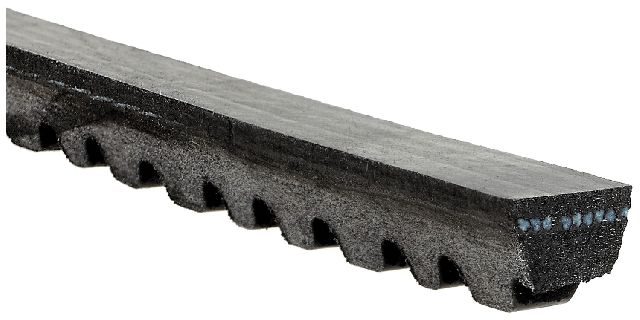
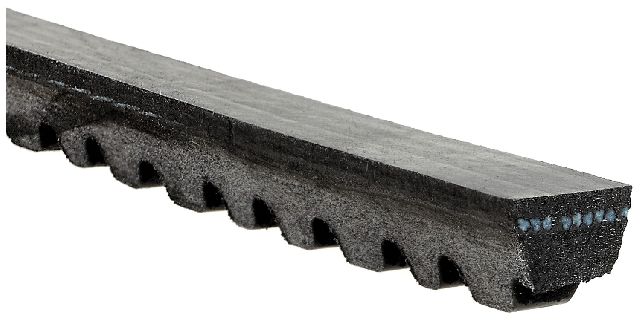
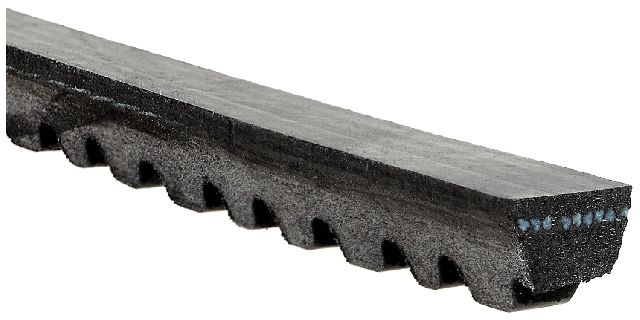
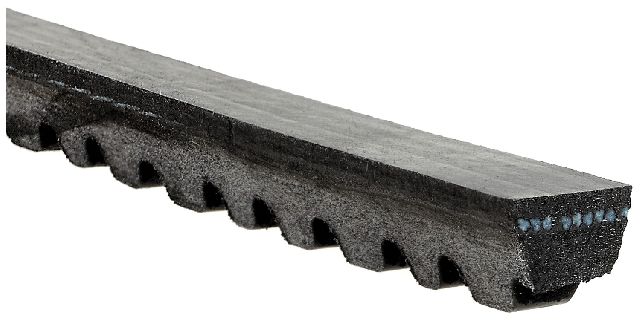
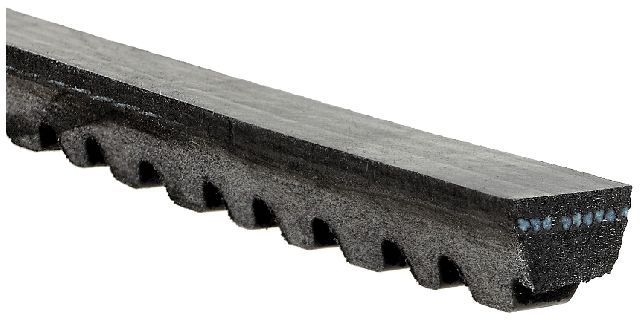
- Your 1960 Studebaker uses V-belts, not a modern serpentine belt; you may have more than one.
- Always choose a modern aftermarket belt from a quality brand like Gates or Continental over a New Old Stock (NOS) part.
- The most common ordering mistake is getting the wrong length; measure your old belt if you are unsure.
- Replacement is a simple, DIY-friendly job that requires only basic hand tools and about 30 minutes.
Signs of a Failing Accessory Drive Belt
A worn-out V-belt on your Studebaker truck will give you clear warnings. Paying attention to these signs can prevent a breakdown caused by an overheating engine or a dead battery.
- Squealing Noises: A loud, high-pitched squeal when you start the engine, accelerate, or turn on accessories is the most common symptom. This noise means the belt is slipping on the pulleys because it's loose or the rubber has become hard and glazed.
- Visible Wear and Damage: A simple visual check can tell you a lot. Look for cracks, fraying, missing chunks, or sections of the belt that look shiny or glossy. Old rubber becomes brittle with age and heat, leading to cracks.
- Generator/Charging Issues: If you notice the "GEN" light on your dashboard flickering or staying on, or if the ammeter shows a discharge, the belt may be slipping. A slipping belt can't spin the generator fast enough to charge the battery properly.
- Engine Overheating: If the belt driving the water pump breaks or slips badly, coolant will stop circulating. This will cause the engine's temperature to rise very quickly, which can lead to serious engine damage.
Choosing the Right Aftermarket Belt
Original Studebaker belts are no longer produced. While you might find a "New Old Stock" (NOS) part, using a rubber belt that has been sitting on a shelf for decades is not recommended as the rubber degrades over time. Modern aftermarket belts are made with superior materials that resist heat, oil, and cracking far better than the originals.
Brand Quality: Continental vs. Gates
For your Studebaker, both Continental and Gates are excellent choices. They are well-respected brands in the industry, and you can't go wrong with either. Forum discussions among classic car owners show that both brands have a strong reputation for quality and reliability. There is no clear performance winner between them for a vintage application like this, so choosing based on availability or price is a reasonable approach.
Cost to Replace a 1960 Studebaker 5E7D Accessory Drive Belt
| Part/Service | Estimated Cost |
|---|---|
| New Aftermarket Belt (e.g., Gates, Continental) | $7.35 - $39.20 |
| Shop Labor | $50 - $100 |
| Total Estimated Cost (DIY) | $7.35 - $39.20 |
| Total Estimated Cost (At a Shop) | $57 - $139 |
Frequently Asked Questions
Can I replace the accessory belt myself?
Yes, absolutely. This is a very easy job on a 1960 Studebaker. It requires basic hand tools, like wrenches or a socket set. The process involves loosening the mounting bolts on an accessory (usually the generator), pivoting it to release belt tension, swapping the belt, and then re-tensioning it.
How do I get the right tension on the new belt?
Proper tension is key. Too tight, and you can damage the bearings in your generator or water pump. Too loose, and the belt will slip and squeal. A good rule of thumb is to press on the belt at its longest span between pulleys; you should have about a half-inch of deflection. Another method is to twist the belt; you should be able to twist it about 90 degrees (a quarter turn) with your fingers.
How many belts does my Studebaker 5E7D have?
It depends on your truck's options. A base model will have at least one V-belt for the water pump and generator. If you have optional equipment like power steering, there will be an additional belt for that component. You should inspect your engine to confirm the number of belts before ordering replacements.
Are there any recalls or known issues for this belt?
No. There are no recalls or technical service bulletins (TSBs) from the NHTSA for the accessory drive belts on a 1960 Studebaker truck. Issues with this part are related to normal wear and tear from age and use. The simple design is very reliable when maintained correctly.
Technical Specifications
This vehicle uses a V-belt system. The specific belt length and width depend on the engine and accessories (generator, power steering, etc.). It is crucial to verify the required size for your specific truck configuration before purchasing.
We Have This Part in Stock

The information in this article is provided for general reference and educational purposes only. Vehicle specifications, procedures, and part compatibility can vary by production date, trim level, and region. Always consult your vehicle's factory service manual and verify part numbers before purchasing or performing repairs. Safety-critical components such as airbags, seat belts, and braking systems should be installed by a qualified professional.