

A Guide to Accessory Drive Belts for the 1960 Studebaker 5E5 Truck
Keep your classic Studebaker truck's essential accessories running reliably with the correct V-belt.
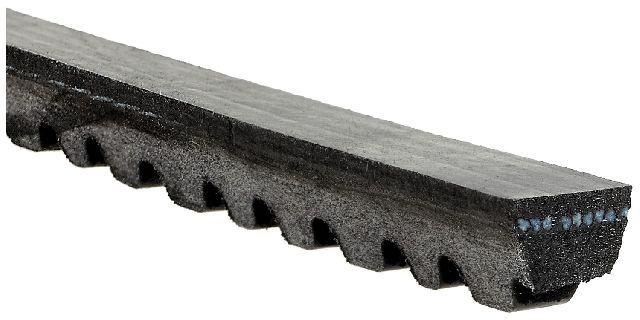
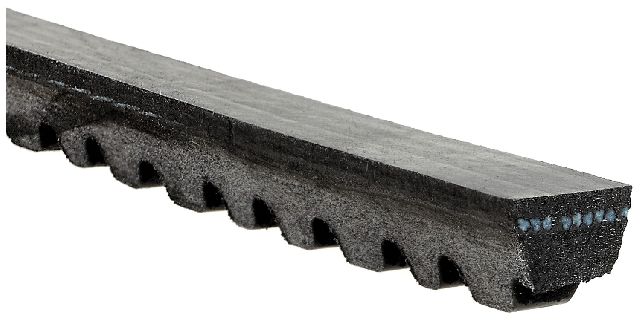
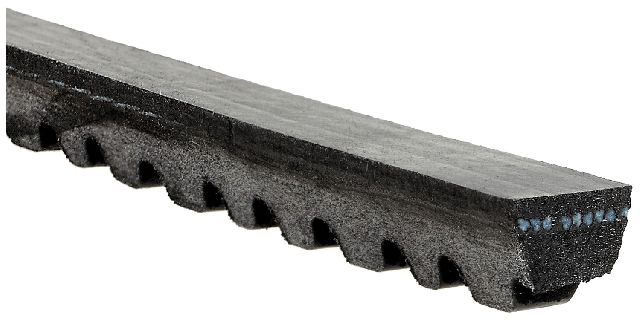
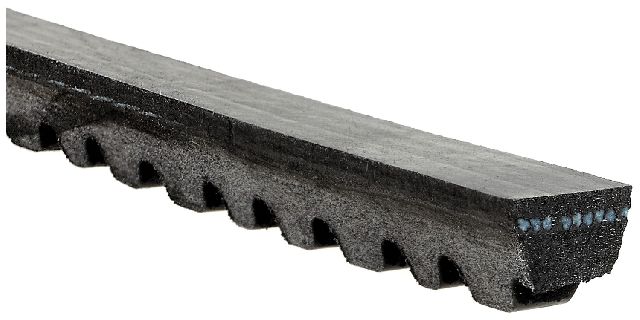
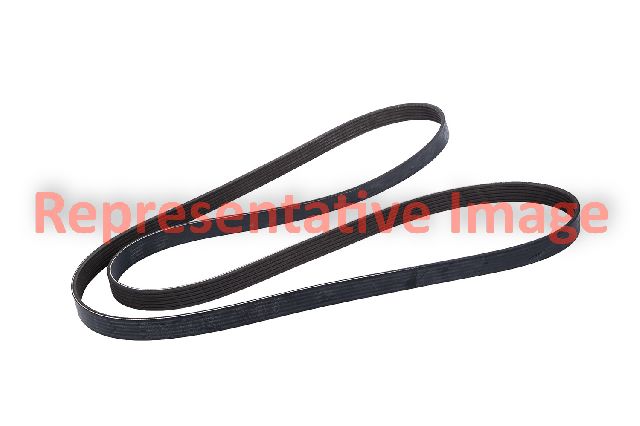
- Your 1960 5E5 uses a V-belt system; modern aftermarket belts from brands like Gates or Continental are a significant quality upgrade over unavailable originals.
- The most common ordering mistake is getting the wrong size; verify the required length for your truck's specific engine and accessory combination before buying.
- Incorrect tension is a primary cause of failure; a belt that is too loose will squeal and slip, while a belt that is too tight can damage accessory bearings.
- A broken belt will disable your truck by causing the engine to overheat and the battery to stop charging; replace it at the first sign of cracking or persistent squealing.
Signs of a Failing Accessory Drive Belt
On a classic truck like the Studebaker 5E5, the rubber V-belts are constantly exposed to heat and stress. It's important to inspect them regularly and watch for signs of wear. Ignoring a failing belt can leave you stranded with an overheated engine or a dead battery.
- Squealing Noises: A high-pitched squeal, especially when you start the engine or accelerate, is the most common symptom. This is often caused by a loose belt slipping on the pulleys, but can also be due to fluid contamination or pulley misalignment.
- Visible Damage: Look for cracks, fraying, missing chunks, or glazing on the belt. A shiny or 'glazed' look on the sides of the belt means the rubber has hardened from heat and is no longer gripping properly.
- Charging or Overheating Issues: If your 'GEN' light on the dashboard flickers or stays on, it could mean the belt driving the generator is slipping or broken. Similarly, if the engine temperature begins to climb, the belt driving the water pump may have failed.
Choosing the Right Aftermarket Belt: OEM vs. Aftermarket
Original Studebaker belts are no longer manufactured. While you might find a New Old Stock (NOS) belt online, a rubber part that is over 60 years old is not a reliable choice for a running vehicle. Modern aftermarket belts are made with superior EPDM rubber compounds that resist heat, oil, and cracking far better than the original neoprene belts from the 1960s. For your 5E5 truck, a new belt from a quality brand will likely last longer and perform better than the original ever could.
Aftermarket Brand Tiers
| Tier | Brands | Quality Assessment |
|---|---|---|
| Premium | Gates, Continental | Both Gates and Continental are considered top-of-the-line brands by mechanics and classic car enthusiasts. Gates is known for its heavy-duty construction, while Continental (formerly Goodyear belts) is praised for quiet operation and longevity. You cannot go wrong with either for your Studebaker. |
Pro Tip: The Biggest Challenge is Finding the Right Size
The most common mistake when ordering a belt for a classic Studebaker is getting the wrong size. Different belts were used depending on the engine (6-cylinder or V8) and factory options like A/C, power steering, or even the specific generator installed. If possible, measure the length of your old belt or use its part number to ensure you order the correct replacement.
Cost of Replacing Your Accessory Drive Belt
Replacing the V-belt on a 1960 Studebaker 5E5 is an affordable and straightforward job. The parts are inexpensive, and the labor is not complex.
| Part/Service | Estimated Cost |
|---|---|
| New Aftermarket Belt | $7 - $34 |
| Shop Labor | $50 - $100 |
Warning: Belt Tension is Critical
Setting the correct belt tension is vital. A belt that is too loose will slip and squeal, failing to power accessories. A belt that is too tight puts excessive strain on the bearings of the generator and water pump, leading to their premature failure. A common rule of thumb is that at the longest point between pulleys, you should be able to twist the belt about 90 degrees with your fingers.
Frequently Asked Questions (FAQ)
How many belts does my 1960 Studebaker 5E5 have?
It depends on your truck's specific configuration. A base model typically has one or two V-belts for the generator and water pump. If your truck has factory options like power steering or air conditioning, it will have additional belts, usually one for each accessory. The best way to know for sure is to look under the hood.
Is it hard to replace the belt myself?
No, this is a very DIY-friendly job for most owners. Access is generally good on these classic trucks. The process involves loosening the mounting bolts on an accessory (usually the generator), pivoting it to release tension, removing the old belt, and installing the new one before re-tensioning.
Why is my new belt squealing?
The most common reason for a new belt to squeal is incorrect tension; it is likely too loose. It can also be caused by oil or coolant residue on the pulleys. Always clean the pulleys before installing a new belt. Worn or misaligned pulleys can also be a source of noise.
Are there any recalls for the accessory drive belt on my truck?
No. There are no active recalls or Technical Service Bulletins (TSBs) from the NHTSA for this part on a 1960 Studebaker truck. The vehicle predates the modern recall system, and any issues you encounter will be due to normal wear and tear.
Technical Specifications
System uses one or more V-belts. Belt length, width, and part number vary significantly based on engine (6-cylinder vs. V8) and accessories (A/C, Power Steering, Generator Type). Belts are typically made of EPDM rubber.
We Have This Part in Stock

The information in this article is provided for general reference and educational purposes only. Vehicle specifications, procedures, and part compatibility can vary by production date, trim level, and region. Always consult your vehicle's factory service manual and verify part numbers before purchasing or performing repairs. Safety-critical components such as airbags, seat belts, and braking systems should be installed by a qualified professional.