

1960 Dodge Matador Engine Timing Set and Chain Guide
Keep your classic Matador's V8 running strong and in time with the right timing components.
- The original nylon-coated cam gear is a known failure point; upgrading to an all-metal aftermarket set is essential for reliability.
- A rattling noise from the front of the engine is a critical warning sign that should be addressed immediately to prevent severe engine damage.
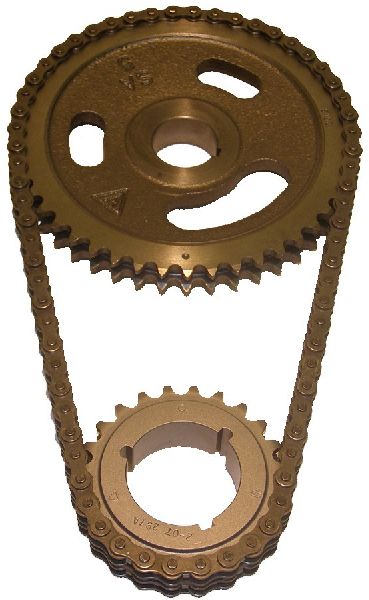
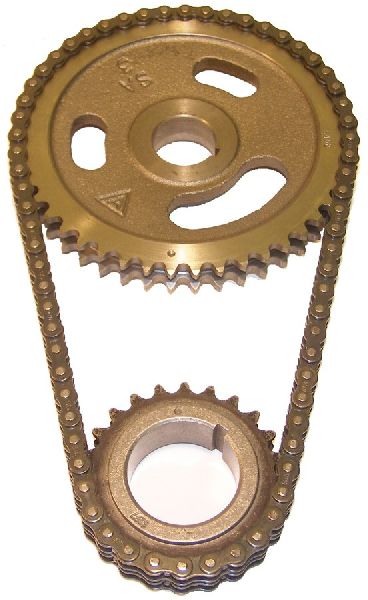
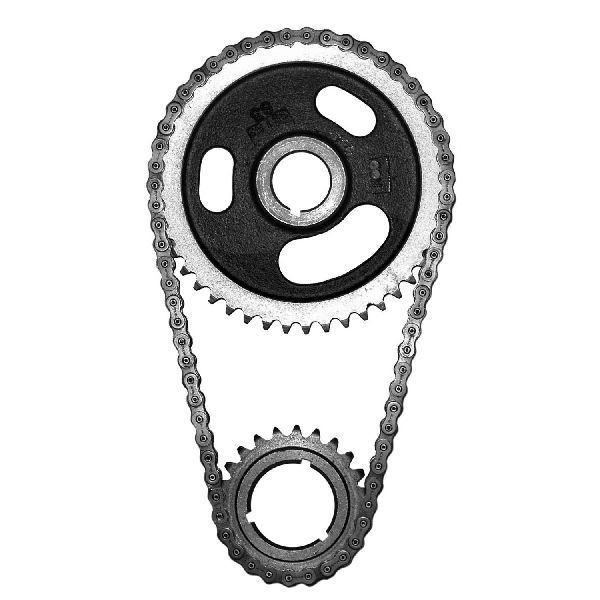
- For a small additional cost, a double-roller timing set from a brand like Melling or Cloyes offers a significant improvement in durability over standard replacements.
- Verify if your engine requires a single-bolt or three-bolt cam gear before ordering parts; stock 1960 engines are typically single-bolt.
Is Your Matador's Timing Chain Failing?
The original timing sets on many classic Mopar V8s, including the 361 and 383 cubic-inch engines found in your Matador, often used a camshaft gear with nylon-coated teeth. This was done to make the engine run quieter. After decades of heat and use, this nylon becomes brittle, cracks, and can break off. When this happens, the timing chain becomes very loose, causing performance issues and potentially catastrophic engine failure.
Symptoms to Watch For:
- Engine Rattle: A rattling or clattering sound from the front of the engine, especially noticeable at idle or on startup, is a classic sign of a loose timing chain slapping against the timing cover.
- Poor Performance: If the chain has stretched or jumped a tooth, your ignition and valve timing will be off. This can lead to rough idling, backfiring, a lack of power, and poor fuel economy.
- Metal Shavings in Oil: During an oil change, finding small, shiny metal flakes in the drained oil or on the magnetic drain plug is a serious warning sign. These could be pieces of the deteriorating timing gears or chain.
A Critical Repair
A failing timing chain is not something to ignore. If the chain breaks or jumps several teeth while the engine is running, the pistons can collide with the valves, causing severe and expensive internal engine damage. This is known as a "zero-tolerance" situation in many engines.
Choosing the Right Aftermarket Timing Set
For a 1960 vehicle, new original equipment (OEM) parts are not a realistic option. The good news is that aftermarket timing sets are readily available and are often a significant upgrade over the original design. The most important upgrade is moving from the original nylon-toothed gear to a full-metal set.
Brand Tiers for Your Matador V8
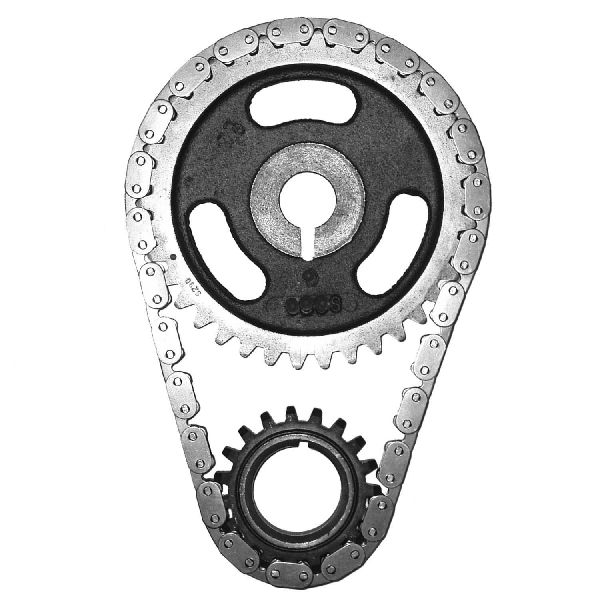
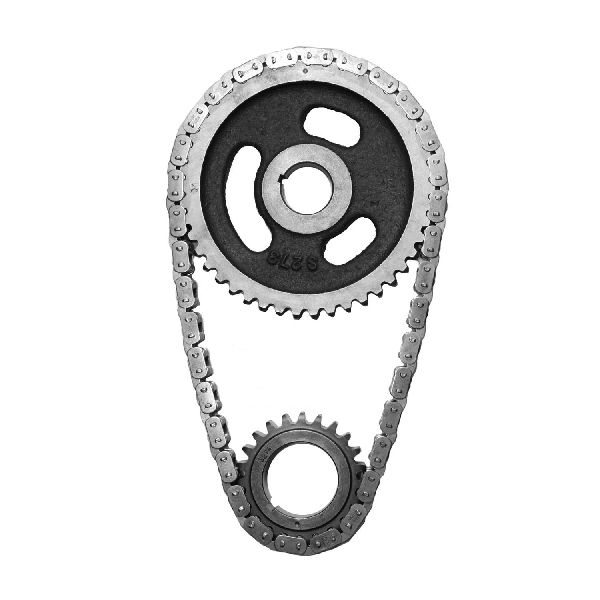
- Good (Standard Replacement): Brands like Cloyes and Melling offer excellent standard replacement timing sets. These are typically single-roller (or "silent" link-type) chains with all-metal gears. They are a reliable and affordable choice for a stock or daily-driven Matador and a huge improvement over a worn original set.
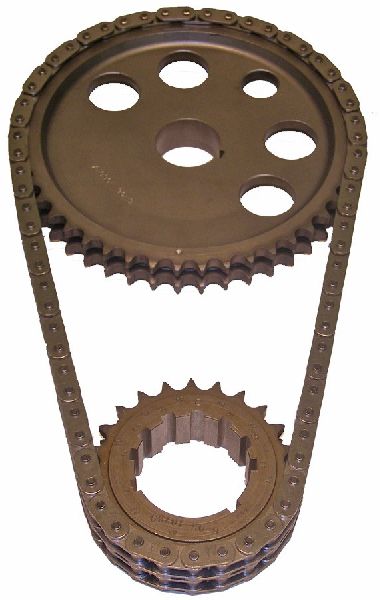
- Better (Heavy-Duty/Performance): For added durability and peace of mind, consider a double-roller timing chain set from Melling or Cloyes. A double-roller chain is stronger and less prone to stretching over time. These kits are ideal for engines that are driven hard or have performance upgrades.
- Best (Premium Performance): Brands like Melling Select Performance or Rollmaster offer premium-grade timing sets. These often feature billet steel gears, superior chains, and sometimes Torrington thrust bearings. While likely overkill for a stock Matador, they offer the ultimate in strength and timing accuracy for high-performance or complete engine rebuilds.
Pro Tip: Double-Roller is a Smart Upgrade
For the relatively small difference in price, upgrading to a double-roller timing set from a reputable brand like Melling or Cloyes is a wise investment. It provides a significant increase in strength and longevity, ensuring your classic V8's timing stays precise for many years to come.
Estimated Costs for Timing Set Replacement
| Part/Service | Estimated Cost |
|---|---|
| New Aftermarket Timing Set | $45 - $168 |
| Shop Labor | $400 - $750 |
| Total Estimated Cost | $445 - $918 |
Note: Costs are estimates and will vary based on your location, choice of parts, and shop labor rates. This job also requires replacing engine coolant and may require a new timing cover gasket set and front crankshaft seal.
Frequently Asked Questions
Can I replace the timing set myself?
This is a moderately difficult job for an experienced DIY mechanic. It does not require removing the engine, but it does involve draining the coolant, removing the radiator, fan, belts, water pump, and harmonic balancer. A special harmonic balancer puller tool is required. If you are not comfortable with this level of work, it is best left to a professional mechanic.
Should I get a single-bolt or three-bolt cam gear?
The original 361 and 383 V8 engines in 1960 typically used a camshaft with a single-bolt attachment for the timing gear. Unless you have swapped to a modern aftermarket camshaft, you will need a single-bolt timing set. Always verify what your specific engine has before ordering.
What else should I replace at the same time?
Since you'll have the front of the engine apart, it is highly recommended to also replace the timing cover gasket, the front crankshaft seal, and the water pump gaskets. It's also a great time to inspect the water pump, radiator hoses, and belts and replace them if they show signs of age or wear.
Are there any recalls for the 1960 Dodge Matador timing set?
No. There are no active recalls or technical service bulletins (TSBs) from the NHTSA related to the timing set for the 1960 Dodge Matador. Any issues would be due to the age and wear of the original components.
Technical Specifications
Fits 1960 Dodge Matador with 361 CID (5.9L) or 383 CID (6.3L) Mopar Big Block 'B' V8 engines. Typically requires a single-bolt camshaft sprocket.
We Have This Part in Stock

The information in this article is provided for general reference and educational purposes only. Vehicle specifications, procedures, and part compatibility can vary by production date, trim level, and region. Always consult your vehicle's factory service manual and verify part numbers before purchasing or performing repairs. Safety-critical components such as airbags, seat belts, and braking systems should be installed by a qualified professional.