

Jeep DJ-3 Ignition Coil Guide: 1959-1966 Replacement Options
Keep your classic DJ-3 running strong by understanding how to choose the right ignition coil.
- Verify if your DJ-3 has a 6-volt or 12-volt electrical system before ordering.
- Check if your current setup uses an external ballast resistor and buy a compatible coil.
- Replacement is extremely simple and can be done with basic tools in under 30 minutes.
- Consider replacing spark plugs, wires, and distributor cap/rotor at the same time for a full ignition tune-up.
Signs of a Failing Ignition Coil in a DJ-3
An ignition coil on a vintage Jeep like the DJ-3 often fails slowly due to age and heat. The internal insulation breaks down over decades of use. If you notice these symptoms, your coil might be on its way out.
- Hard Starting: The engine cranks but struggles to fire up, or won't start at all. A weak coil produces a weak spark that isn't enough for ignition.
- Engine Misfires or Stalling: The engine may sputter, shake, or run unevenly, especially when idling or under load. This can feel like the engine is stumbling or about to shut off.
- Loss of Power: Your Jeep may feel sluggish and have poor acceleration because the cylinders aren't all firing correctly.
- Backfiring: A loud pop from the exhaust can happen when unburned fuel ignites in the exhaust system, a sign of an inconsistent spark.
- Poor Fuel Economy: When the spark is weak, the engine burns fuel less efficiently, causing you to visit the gas station more often.
Choosing the Right Aftermarket Ignition Coil
For a vehicle from this era, finding a true "OEM" Mopar part is nearly impossible; they are considered rare New Old Stock (NOS). Aftermarket coils are the standard and are often built to modern quality standards. The most important factor is choosing a coil that matches your Jeep's electrical system (6-volt or 12-volt) and knowing if it requires an external ballast resistor. Check your service manual or existing setup before ordering.
Aftermarket Brand Tiers
The brands available for your DJ-3 can be grouped by their reputation among classic vehicle owners.
- Premium & Performance Brands (Accel, NGK): Brands like NGK are known for making high-quality, reliable ignition components and are often OEM suppliers for modern cars. Accel is a well-known performance brand in the classic car world, though some users report mixed reliability. These are good choices if you're looking for top-tier replacement or a slight performance edge.
- Standard Replacement Brands (Standard Ignition, Omix-Ada): Standard Ignition (SMP) is a long-trusted aftermarket brand with a reputation for solid, reliable parts. Omix-Ada specializes in Jeep parts and is a common choice for restorations and repairs. These brands offer a good balance of quality and price for a daily driver or restoration project.
- Economy Brands (DriveWire, Global Parts, Spectra, Walker Products): These brands provide functional, budget-friendly replacements that will get your Jeep back on the road. They are a practical option if cost is the primary concern.
Estimated Replacement Costs
Replacing the ignition coil on a DJ-3 is an inexpensive and straightforward job.
| Part Type | Estimated Cost |
|---|---|
| New Aftermarket Ignition Coil | $23 - $52 |
| Shop Labor | $50 - $100 |
| Total Estimated Cost | $73 - $152 |
Pro Tip: This is a very simple DIY job. The coil is typically held by a single bracket and has only three wire connections. Most owners can complete this replacement in under 30 minutes with basic hand tools.
Frequently Asked Questions
Can I replace the ignition coil myself?
Yes, absolutely. This is one of the easiest repairs you can do on a vintage Jeep. The process involves disconnecting the negative battery terminal, labeling and removing the two small primary wires and the large secondary wire to the distributor, unbolting the coil's mounting bracket, and installing the new one in reverse order.
Do I need a 6-volt or 12-volt coil?
It depends on your specific Jeep. While many DJ-3s have been converted to 12-volt systems over the years, some may retain their original 6-volt system. Always check your battery and existing coil to confirm the voltage before ordering a new part.
What is a ballast resistor and do I need one?
A ballast resistor is a ceramic block used in older ignition systems to reduce the voltage going to the coil after the engine has started, which prevents the coil from overheating. Some coils are designed for a full 12V and have an internal resistor, while others require an external one. If your current system has an external ballast resistor, you should replace it with a coil designed to use one. If you buy a coil with an internal resistor, you can typically bypass the external one. Check the specifications of the new coil you are purchasing.
Should I replace my spark plugs and distributor parts at the same time?
It's a very good idea. A new, strong coil can put extra stress on old plugs, wires, distributor cap, and rotor. Replacing all these tune-up parts at once ensures your entire ignition system is fresh and reliable. For the F-134 engine, use non-resistor type spark plugs for best performance.
Technical Specifications
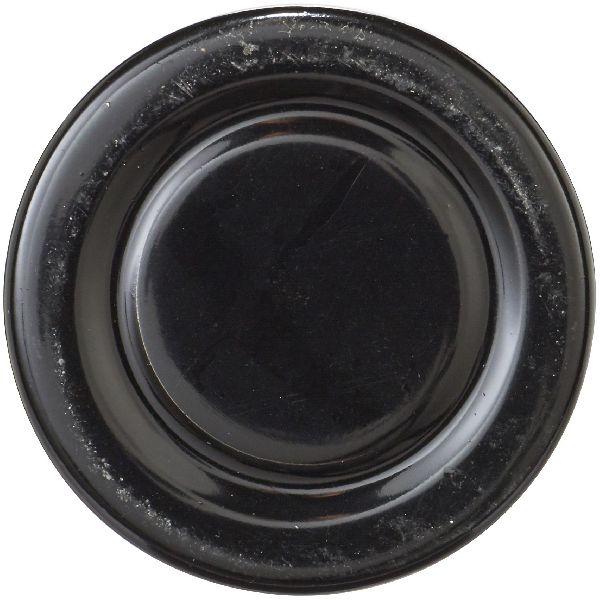
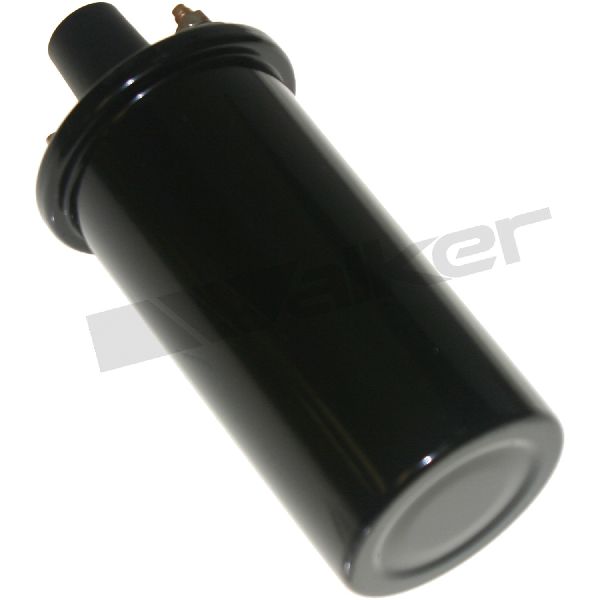
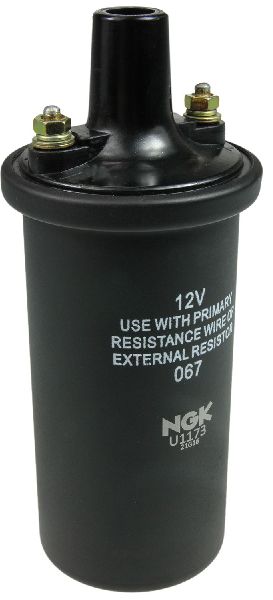
The key specifications are the voltage (6V or 12V) and whether the coil requires an external ballast resistor. The part is a traditional oil-filled canister-style coil.
We Have This Part in Stock


The information in this article is provided for general reference and educational purposes only. Vehicle specifications, procedures, and part compatibility can vary by production date, trim level, and region. Always consult your vehicle's factory service manual and verify part numbers before purchasing or performing repairs. Safety-critical components such as airbags, seat belts, and braking systems should be installed by a qualified professional.