

A Practical Guide to Spark Plug Wires for the 1959-1965 Jeep CJ5
Keep your classic CJ5's Hurricane engine running strong with the right set of spark plug wires.
- Symptoms of bad wires include rough running, misfires, poor power, and visible sparks (arcing) in the dark.
- Replace wires one at a time to avoid mixing up the firing order (1-3-4-2).
- For this vintage Jeep, all available parts are aftermarket. Brands like NGK and Standard offer good quality, while Crown is a popular choice for restorations.
- Choose a suppression-core wire set to avoid radio static, especially if you have an electronic ignition.
Signs of Failing Spark Plug Wires
The ignition system on the F4-134 Hurricane engine is simple but needs to be in good shape. Wires wear out over time due to heat, oil, and general wear and tear. When they start to fail, you'll notice it in how your Jeep runs.
- Rough Idling: The engine may shake or run unevenly when stopped.
- Engine Misfires: You might feel a stumble or hesitation from the engine, especially when accelerating. This happens when a cylinder fails to fire correctly.
- Difficulty Starting: Weak or intermittent spark can make the engine hard to start, or it may stall shortly after firing up.
- Poor Acceleration: A CJ5 isn't a race car, but failing wires can make it feel even more sluggish and underpowered.
- Visible Arcing: A great way to check for bad wires is to run the engine in the dark with the hood open. Look for small blue sparks jumping from the wires to any metal part of the engine. This is a sure sign the insulation has failed and electricity is escaping.
No On-Board Diagnostics
Your 1959-1965 CJ5 does not have an OBD-II port, so there are no diagnostic trouble codes (like P0300 for a misfire) to help you. Diagnosis relies on observing these symptoms and performing visual inspections.
Choosing the Right Aftermarket Wires
For a vehicle of this age, original equipment manufacturer (OEM) parts are generally not available. The market consists entirely of aftermarket brands. This is not a bad thing, as modern materials can offer better performance and longevity than the original 1960s parts.
Here’s a breakdown of what to consider and a look at the available brands:
Wire Core Type
- Solid Copper Core: These were common in the 1960s. They offer very low resistance but create a lot of radio frequency interference (RFI), which can cause static in your radio. They are not recommended if you have or plan to install an electronic ignition.
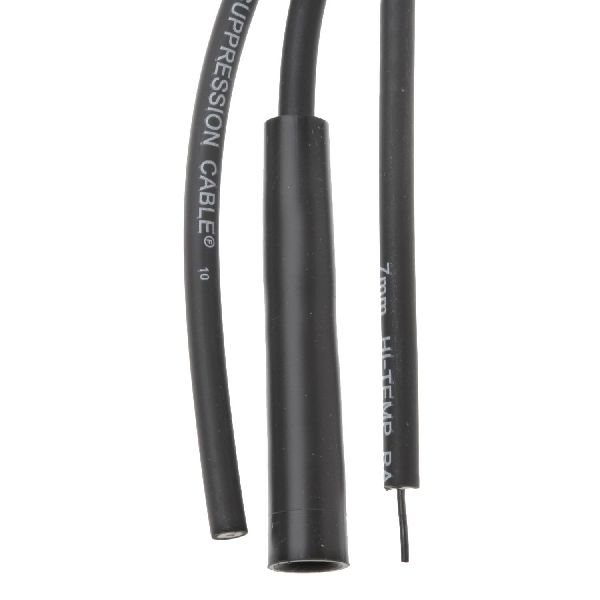
- Suppression/Spiral Core: Most modern wires use a spiral-wound core. This design suppresses RFI while still providing a strong, reliable path for the spark. This is the best choice for most owners, especially those with a radio or electronic ignition upgrades.
Brand Tiers & Quality
Based on owner feedback in Jeep forums, here's an honest assessment of common brands:
- Good Quality (Recommended):
- NGK: Widely respected as a high-quality OEM supplier for many modern cars, NGK wires are known for their reliability and excellent construction. They use modern materials and are a solid choice for a dependable replacement.
- Standard (Standard Motor Products): A long-standing brand in the aftermarket, often considered a reliable choice for ignition components by professional mechanics.
- Standard/Restoration Grade:
- Crown Automotive: A very popular brand for Jeep restoration parts. Forum discussions suggest Crown is often a better choice than Omix-Ada for fit and quality. They offer sets that fit the F-134 engine correctly.
- Walker Products: A known aftermarket manufacturer, generally considered a standard replacement-grade part.
- Economy Grade:
- Omix-Ada: While widely available, Omix-Ada has a mixed reputation among Jeep owners. Some find their parts to be lower quality than Crown or other brands, though for a simple part like a wire set, they are often adequate.
Pro Tip: Universal vs. Direct-Fit
Some experienced owners prefer to buy universal wire sets and cut them to the perfect length, attaching the terminals themselves. This requires a special crimping tool. For most owners, a direct-fit set made for the F-134 engine is the easier and more reliable option.
Cost of New Spark Plug Wires (1959-1965 Jeep CJ5)
| Part Type | Price Range | Notes |
|---|---|---|
| New Aftermarket Spark Plug Wire Set | $21.44 - $53.10 | Price depends on brand and materials (e.g., silicone jacket, core type). This is the only readily available option. |
| Shop Labor | $50 - $100 | This is a very quick job for a mechanic, typically taking less than an hour. |
Frequently Asked Questions
Do I need special tools to replace my spark plug wires?
No, you typically don't need special tools. A good set of pliers for gripping the boots can be helpful, but often you can pull them off by hand. Applying a small amount of dielectric grease inside the new boots will make installation easier and future removal simpler.
What's the difference between 7mm and 8mm wires?
The main difference is the thickness of the outer insulation jacket. A thicker wire offers more protection against heat and abrasion. For a stock F-134 engine, a standard 7mm wire is perfectly adequate and often looks more original.
How do I avoid mixing up the firing order?
The easiest method is to replace the wires one at a time. Remove one old wire, match its length to a new wire, and install the new wire in the same position on the distributor cap and engine. Then move to the next one. The firing order for the F-134 is 1-3-4-2.
Are there any recalls for my CJ5's ignition system?
No, searches of the National Highway Traffic Safety Administration (NHTSA) database show no recalls related to the spark plug wires or ignition system for the 1959-1965 Jeep CJ5. Recalls for vehicles of this era are extremely rare.
Technical Specifications
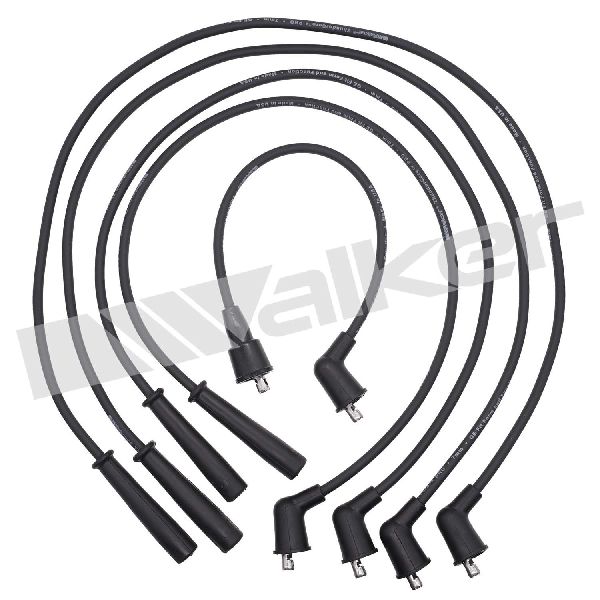
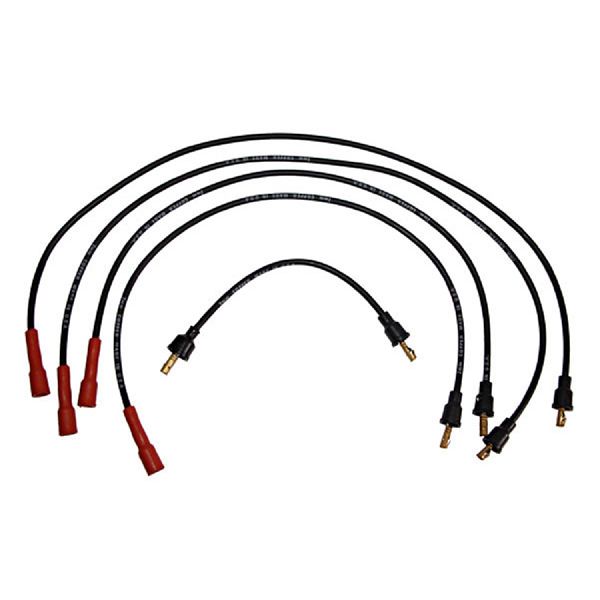
Engine: F4-134 "Hurricane" I4. Set includes 4 spark plug wires and 1 coil wire. Common wire diameter is 7mm. Suppression core (spiral wound) is recommended over solid metal core for most applications.
We Have This Part in Stock

The information in this article is provided for general reference and educational purposes only. Vehicle specifications, procedures, and part compatibility can vary by production date, trim level, and region. Always consult your vehicle's factory service manual and verify part numbers before purchasing or performing repairs. Safety-critical components such as airbags, seat belts, and braking systems should be installed by a qualified professional.