

Engine Coolant Bypass Hose Guide for 1959-1965 Dodge W100 Pickup
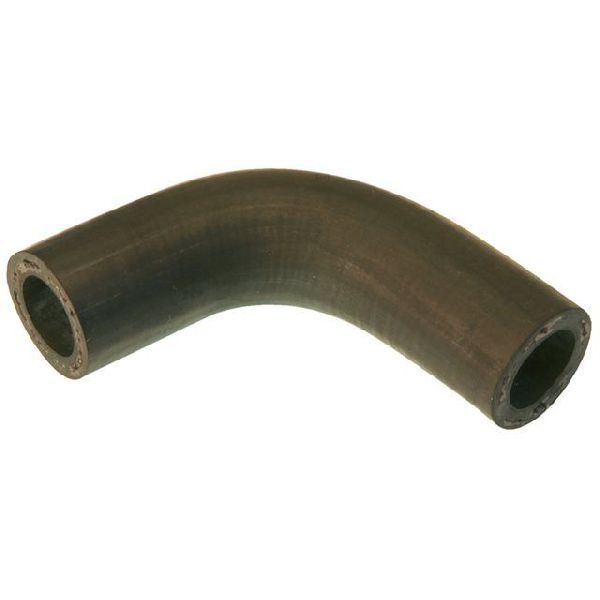
Keep your classic W100's engine from overheating with a reliable new coolant bypass hose.
- A failing bypass hose can cause serious engine overheating.
- Symptoms include leaks, sweet smells, and visible hose damage like cracks or swelling.
- Modern aftermarket hoses from brands like Gates are superior to any remaining original stock due to advanced materials.
- Always replace hose clamps when installing a new hose to ensure a secure, leak-free seal.
Is Your Dodge W100's Bypass Hose Failing?
The rubber hoses in your classic truck's engine bay have a tough life. They are exposed to constant heat, vibration, and chemical-rich coolant. Over decades, the original bypass hose will become brittle, weak, and prone to failure. A failed bypass hose can quickly lead to major engine problems, so it's important to recognize the warning signs.
Symptoms of a Bad Bypass Hose:
- Coolant Leaks: You might see puddles of green, pink, or orange fluid under your truck, especially towards the front of the engine. You may also notice white or colored crusty residue on or around the hose.
- Sweet Smell: Antifreeze has a distinct sweet smell. If you notice this smell from the engine bay after a drive, it's a strong sign of a coolant leak.
- Engine Overheating: If the hose fails completely, your truck will lose coolant rapidly. This will cause the engine temperature gauge to climb into the red, which can lead to severe engine damage.
- Visible Damage: Inspect the hose itself. Look for cracks, splits, bulging, or soft, spongy spots. A hose that looks swollen or feels mushy needs to be replaced immediately.
Don't Ignore a Coolant Leak
Continuing to drive with a known coolant leak is risky. A small leak can turn into a major failure without warning, leaving you stranded and facing expensive engine repairs like a blown head gasket.
Choosing the Right Aftermarket Hose
For a vintage truck like the 1959-1965 W100, finding a "new" original equipment (OEM) part is nearly impossible. The only option would be New Old Stock (NOS), which means a 60-year-old rubber part that has been sitting on a shelf. A modern aftermarket hose is a far superior choice.
Brand Spotlight: Gates
Gates is a highly respected name in aftermarket belts and hoses. Their molded coolant hoses are made from modern EPDM rubber, which is specifically designed to resist heat, ozone, and chemical coolants. Gates hoses are also engineered to resist electrochemical degradation, a leading cause of hose failure from the inside out. For your W100, a Gates hose offers a reliable, long-lasting repair that often exceeds the quality of the original part.
Pro Tip: Replace Your Clamps
When you replace any coolant hose, it's always a good idea to replace the hose clamps as well. Old clamps can lose their tension over time, leading to leaks even with a new hose. Simple worm-gear or spring-style clamps are inexpensive and provide peace of mind.
Estimated Costs for Replacement
| Part Type | Estimated Cost |
|---|---|
| New Aftermarket (Gates) | $15 - $25 |
| Shop Labor | $75 - $150 |
Frequently Asked Questions
What does the engine coolant bypass hose do?
It circulates coolant through the engine before the thermostat opens. This allows the engine to warm up faster and more evenly, which is crucial for reducing engine wear.
Can I replace the bypass hose myself?
Yes, this is a DIY-friendly job for most home mechanics. It requires basic hand tools, a drain pan for the coolant, and a bit of patience. The main steps involve partially draining the cooling system, removing the old hose and clamps, and installing the new parts.
Why not just use a straight piece of rubber hose?
Using a pre-molded hose is critical. Molded hoses are designed to fit perfectly without kinking or rubbing against other engine components. A kinked hose will restrict coolant flow and can lead to overheating.
What kind of coolant should I use in my 1959-1965 W100?
For these classic trucks, a conventional "green" IAT (Inorganic Additive Technology) antifreeze is the standard choice. Always mix it with distilled water to the proper ratio, typically 50/50, unless you buy a pre-mixed formula.
Technical Specifications
Material: EPDM Rubber, Reinforcement: Synthetic Fiber Knit, Type: Molded Bypass Hose
We Have This Part in Stock

The information in this article is provided for general reference and educational purposes only. Vehicle specifications, procedures, and part compatibility can vary by production date, trim level, and region. Always consult your vehicle's factory service manual and verify part numbers before purchasing or performing repairs. Safety-critical components such as airbags, seat belts, and braking systems should be installed by a qualified professional.