

Mercury Colony Park Engine Mount Guide: 1959-1964
Stop the shaking and clunking noises in your classic wagon by understanding and replacing your engine mounts.
- Symptoms of failure include excessive vibration at idle, clunking noises on acceleration, and visible engine movement.
- New OEM parts are not available; you must use aftermarket brands like Anchor, DEA, or Pioneer.
- Aftermarket quality can be inconsistent, so inspect the new part and compare it to the old one before installation.
- Always replace engine mounts in pairs to ensure proper engine support and longevity of the new parts.
Is Your Colony Park Shaking, Clunking, or Vibrating?
After 60+ years, the original rubber in your engine mounts has likely become hard, cracked, and worn out. When the rubber fails, it can no longer support the engine correctly or dampen its vibrations. This leads to several common problems that can make your classic Mercury feel rough and unpleasant to drive.
Top 3 Signs of a Bad Engine Mount:
- Excessive Vibration: This is the most common symptom. You may feel a rough idle and vibrations through the steering wheel, floor, and seats. The shaking often gets worse when the car is in gear and stopped.
- Clunking and Banging Noises: A loud clunk or thud from the engine bay when you accelerate, decelerate, or shift from drive to reverse is a clear sign of a failed mount. This noise is the engine itself lifting or shifting and making contact with other components.
- Visible Engine Movement: With the engine off, you can try to rock the engine by hand; it should not move much. A more definitive test is to have a helper hold the brakes firmly, shift into drive, and lightly press the gas. If the engine dramatically lifts or jumps, one or more mounts have failed.
Choosing the Right Aftermarket Engine Mount
For a vintage vehicle like the 1959-1964 Colony Park, new Original Equipment Manufacturer (OEM) parts are no longer available. The entire market consists of aftermarket replacements. The available brands like Anchor, DEA, and Pioneer fall into the standard replacement category.
| Brand Tier | Brands | Quality & Performance Notes |
|---|---|---|
| Standard Replacement | Anchor, DEA Strut, Pioneer Cable | These brands provide an affordable solution to get your Colony Park running smoothly again. Reviews are often mixed; some users report perfect fit and function, while others have experienced premature failures or fitment issues. Pioneer is sometimes noted as having better fit, but quality can still be variable. For a classic car, these are the most practical and widely available options. |
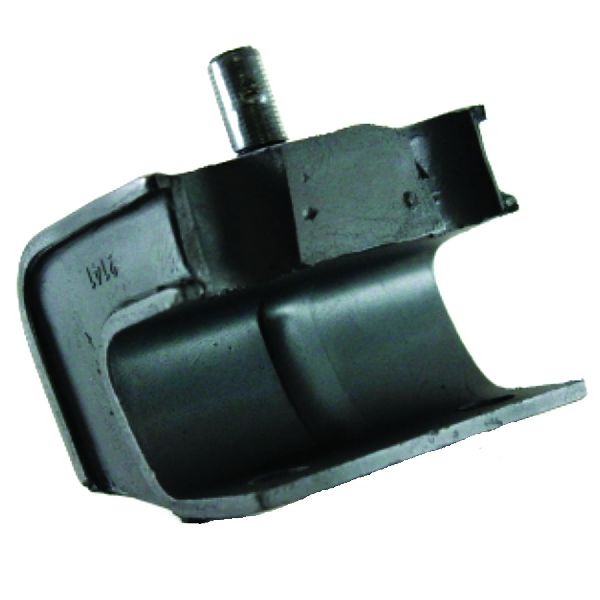
Pro Tip: Before installing a new aftermarket mount, compare it closely with the old one you removed. Check that the mounting holes, stud locations, and overall height are the same. This can save you a lot of trouble during installation.
What to Expect for Replacement Costs
The cost to replace the engine mounts on your Colony Park is reasonable, as the parts are inexpensive and the labor is straightforward for a mechanic familiar with classic cars.
| Part Type | Average Cost (Per Mount) |
|---|---|
| New OEM | Not Available |
| New Aftermarket (Anchor, DEA, Pioneer) | $14.81 - $35.34 |
| Shop Labor | $150 - $250 |
Note: Labor costs are estimates and can vary by region and shop. The total cost will depend on how many mounts are being replaced. It is highly recommended to replace both engine mounts at the same time.
Frequently Asked Questions
Can I replace the engine mounts on my Colony Park myself?
Yes, this is a DIY-feasible job for someone with the right tools and experience. You will need a good floor jack, jack stands, a block of wood to protect the engine's oil pan, and a set of wrenches. The basic process involves supporting the engine's weight with the jack, unbolting the old mount, and installing the new one. Aligning the bolt holes for the new mount can sometimes be challenging.
Should I replace both engine mounts at the same time?
Yes. Engine mounts wear out at a similar rate. If one has failed, the other is likely not far behind. Replacing them in pairs ensures even support for the engine and prevents the new mount from being stressed by an old, worn-out one on the other side. It's also a good idea to inspect and likely replace the transmission mount at the same time.
Are there any recalls for the 1959-1964 Mercury Colony Park engine mounts?
No. A search of the National Highway Traffic Safety Administration (NHTSA) database shows no safety recalls for engine mounts on this vehicle. Given the car's age, any such issues would have been addressed decades ago.
Why can't I find OEM Ford or Mercury engine mounts?
Automakers typically only produce replacement parts for a limited time after a vehicle is sold. For a car from the 1959-1964 era, the original supply of parts from Ford has long been exhausted. The market is now served exclusively by aftermarket manufacturers.
Technical Specifications
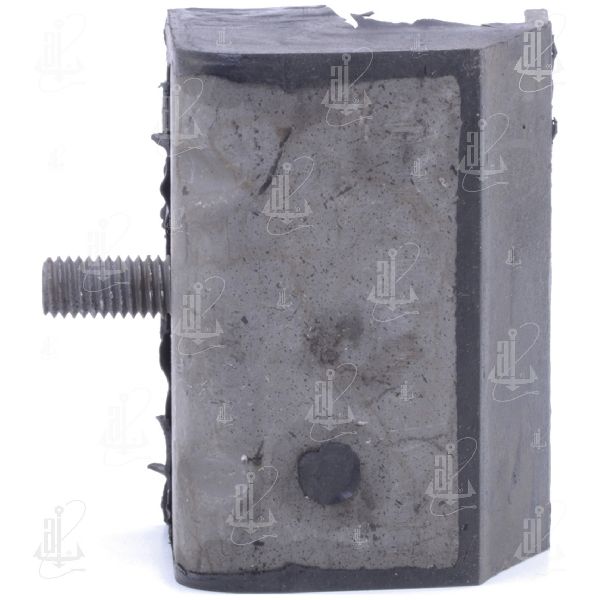
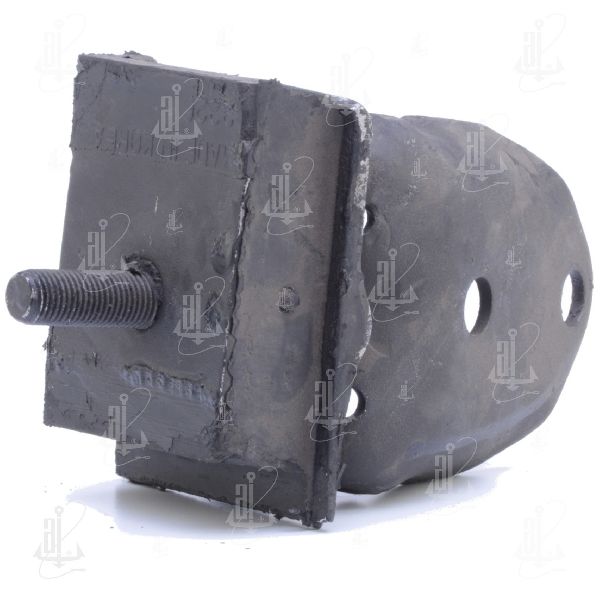
The engine mounts for the 1959-1964 Mercury Colony Park are a solid rubber block design bonded to steel mounting plates. They are typically a stud-type mount, specific to the passenger (RH) or driver (LH) side, and vary based on the V8 engine (e.g., 352, 390, 430 FE-series).
We Have This Part in Stock


The information in this article is provided for general reference and educational purposes only. Vehicle specifications, procedures, and part compatibility can vary by production date, trim level, and region. Always consult your vehicle's factory service manual and verify part numbers before purchasing or performing repairs. Safety-critical components such as airbags, seat belts, and braking systems should be installed by a qualified professional.