

1959-1963 Buick Invicta Suspension Stabilizer Bar Link Kit Replacement Guide
Eliminate suspension clunks and restore your classic Invicta's handling with the right stabilizer link kit.
- The most common sign of failure is a clunking noise from the front end when going over bumps.
- Always replace stabilizer links in pairs to ensure even handling and prevent a repeat repair.
- For a 1959-1963 model, new OEM parts are not an option; you will be buying aftermarket parts.
- While replacing the links, inspect the main stabilizer bar frame bushings for wear, as they are a common source of similar noises.
Is Your Invicta's Suspension Making Noise?
A common source of noise in the front suspension of older vehicles is a worn Suspension Stabilizer Bar Link Kit. These parts have bushings that wear out over time, leading to looseness and noise. If you hear a clunking or rattling sound when you drive over bumps or uneven roads, your stabilizer links are a likely culprit.
Symptoms of a Failing Stabilizer Link Kit
Pay attention to how your Invicta feels and sounds. Worn links will give you clear warning signs.
- Clunking or Knocking Noises: This is the most common symptom. You'll hear a metallic clunk or rattle from the front end, especially at lower speeds over bumps or uneven pavement.
- Excessive Body Roll: The car may feel like it's leaning or swaying too much in corners. This makes the car feel less stable and “floaty.”
- Loose or Vague Steering: You might notice your steering feels less responsive than it used to. This is because the worn links are allowing extra play in the suspension.
Choosing the Right Aftermarket Stabilizer Link Kit
Since Original Equipment (OEM) parts from GM for a 1959-1963 Invicta are no longer available, you will be choosing from aftermarket brands. These brands generally fall into different quality and price tiers. For a classic car, the choice often depends on your budget and how you use the vehicle.
| Brand Tier | Brands | Typical Price Range | Quality & Notes |
|---|---|---|---|
| Premium | Moog, Delphi | $20 - $34 | Generally considered high-quality brands often built to meet or exceed original specifications. Moog has a long-standing reputation, though some users note quality has become more variable recently. Delphi is also seen as a top-tier brand. A good choice for owners who want the best handling and durability. |
| Standard / Mid-Grade | Mevotech | $10 - $20 | Offers a balance of affordability and quality suitable for daily driving. Quality is generally considered decent for the price. |
| Economy | Dorman, QuickSteer | $6 - $15 | These are budget-friendly options. Dorman's quality can vary by part, but they can be a cost-effective solution for a car that is not driven frequently or aggressively. QuickSteer is also typically positioned as an economy brand. |
Pro Tip: Replace in Pairs
It is highly recommended to replace stabilizer links in pairs (both left and right sides at the same time). If one side has failed, the other is likely worn and will fail soon. Replacing both ensures balanced handling and saves you from doing the same job twice.
Frequently Asked Questions (FAQ)
Do I need special tools to replace the stabilizer links?
No, typically you do not need special tools. The job can usually be done with basic hand tools like wrenches, sockets, and possibly locking pliers to keep the stud from spinning when you remove the nut. A wire brush to clean rusty threads and some rust penetrant will be very helpful.
Are the front and rear stabilizer links the same?
The 1959-1963 Buick Invicta came from the factory with a front stabilizer bar. A rear bar was not standard equipment. Therefore, you will likely only be replacing the front links.
How are aftermarket links different from the original 1960s GM parts?
Aftermarket links often feature improved designs over the originals. For example, many premium aftermarket links (like Moog) include grease fittings, which allow you to lubricate the part periodically to extend its life. Original parts were typically sealed and could not be serviced.
Should I inspect anything else while replacing the links?
Yes. This is the perfect time to inspect the stabilizer bar bushings (the rubber mounts that hold the bar to the car's frame). These bushings also wear out and can cause similar clunking noises. They are inexpensive and replacing them at the same time as the links is a good idea.
Technical Specifications
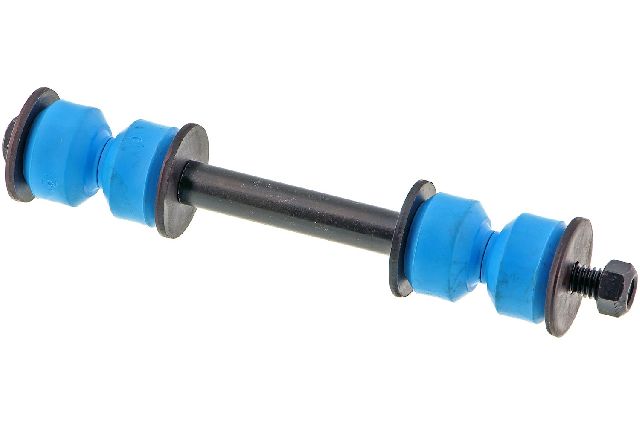
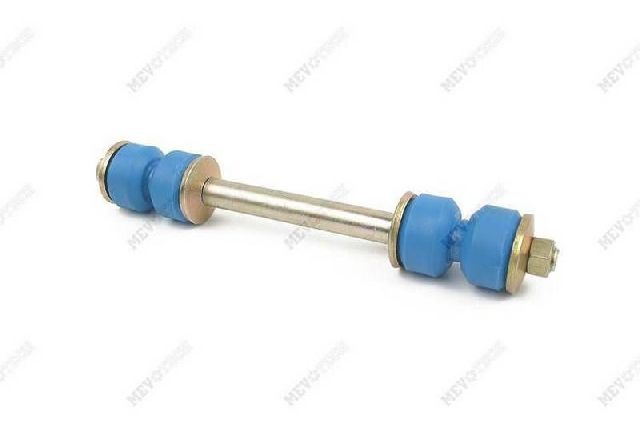
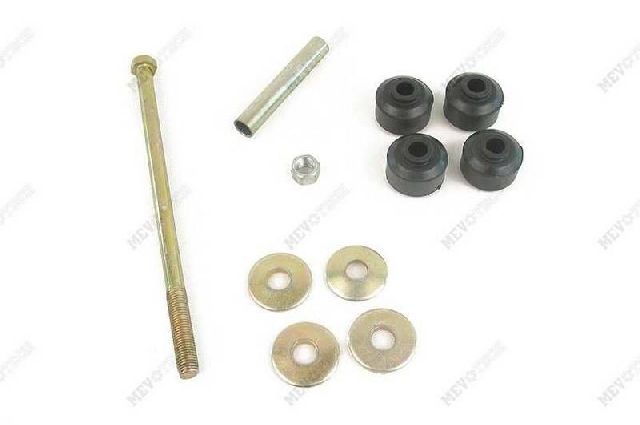
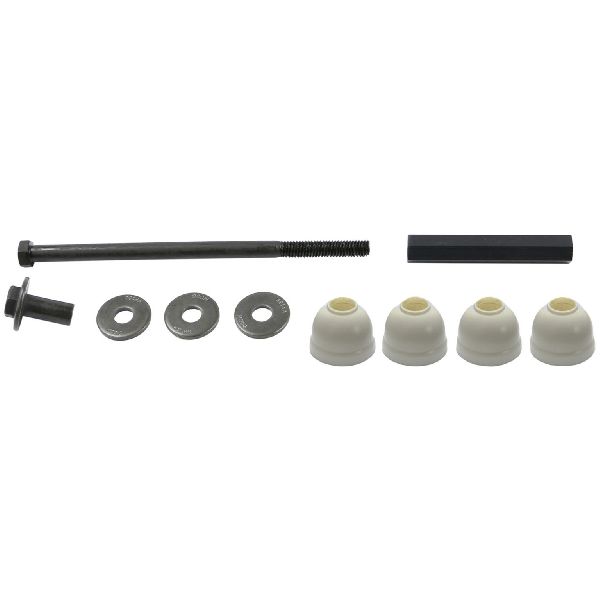
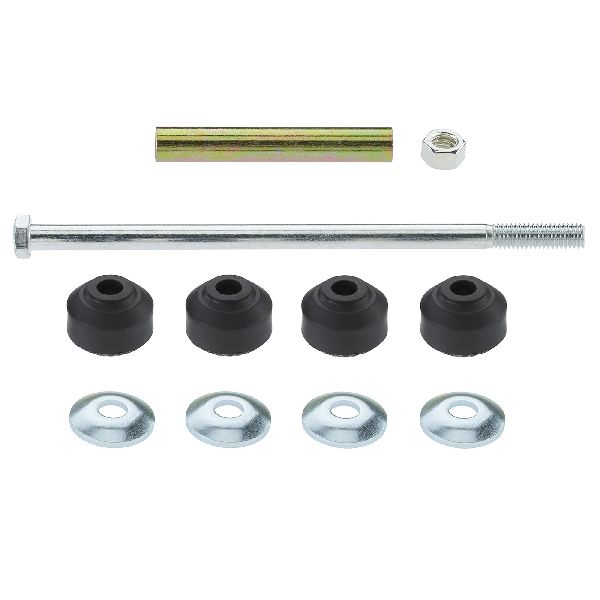
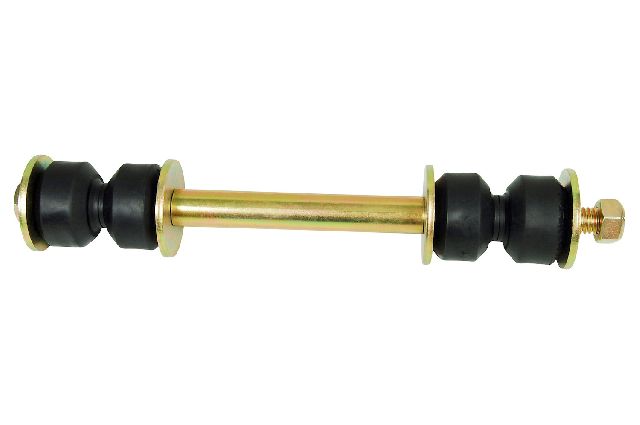
The 1959-1963 Buick Invicta uses a front stabilizer bar with end links connecting to the lower control arms. Aftermarket kits typically include two links with bushings and mounting hardware.
We Have This Part in Stock

The information in this article is provided for general reference and educational purposes only. Vehicle specifications, procedures, and part compatibility can vary by production date, trim level, and region. Always consult your vehicle's factory service manual and verify part numbers before purchasing or performing repairs. Safety-critical components such as airbags, seat belts, and braking systems should be installed by a qualified professional.