

A Guide to the 1959-1963 Buick Estate Wagon Speedometer Cable
Fix that bouncing or dead speedometer needle in your classic Buick Estate Wagon.
- A bouncing speedometer needle is the most common sign of a failing cable, often fixed with lubrication.
- Original parts are unavailable; aftermarket brands like Lokar offer high-quality, cut-to-fit solutions.
- Proper routing without sharp bends is essential to prevent the new cable from breaking.
- If a new cable doesn't fix the issue, the problem may be the transmission gear or the speedometer head itself.
Is Your Speedometer Acting Up?
A faulty speedometer cable is the most common cause of speedometer problems in a classic Buick. Over decades of use, the cable can lose lubrication, fray, or snap. The good news is that replacing it is a manageable job for a home mechanic. Paying attention to the symptoms can help you decide when it's time for a replacement.
Symptoms of a Failing Speedometer Cable
When a speedometer cable begins to fail, it provides clear warning signs. While a bad cable won't leave you stranded, driving without a working speedometer is a safety risk. Watch for these common symptoms:
- Bouncing or Wavering Needle: This is the most frequent first sign of a problem. The needle jumps around instead of showing a steady speed, which usually means the cable needs lubrication or is kinked inside its housing.
- Squealing or Grinding Noises: A whirring or squealing sound from behind the dashboard that changes with your speed points to a dry or fraying cable.
- No Speed Reading: If the speedometer needle doesn't move at all, the inner cable has most likely snapped.
No Recalls or Technical Service Bulletins Found
As of early 2026, there are no recalls or Technical Service Bulletins (TSBs) from the National Highway Traffic Safety Administration (NHTSA) for the speedometer cable on the 1959-1963 Buick Estate Wagon. Any failures are due to the age and normal wear of this mechanical part.
Choosing the Right Aftermarket Cable
Original OEM speedometer cables for a classic Buick of this era are no longer manufactured. Your only option is a new aftermarket part. For a vehicle this age, many available parts are universal or "cut-to-fit."
Premium / Custom Brand: Lokar
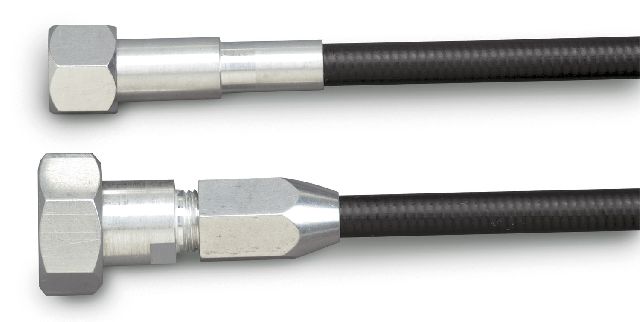
Lokar is a well-regarded brand in the classic car and hot rod community, known for high-quality components. Their speedometer cables often feature durable stainless steel braided housings and are sold as "U-Cut-to-Fit" kits. This means you receive a long cable (typically 7 feet) that you must trim to the exact length needed for your vehicle. This provides a custom fit, which is excellent for restorations, but it requires careful measurement and a clean cut on both the inner cable and outer housing. Reviews for Lokar products are consistently positive, highlighting their quality and smooth operation.
Pro Tip: When installing any new speedometer cable, especially a cut-to-fit one, proper routing is critical. Ensure the cable follows gentle curves and has no sharp bends or kinks. A sharp bend will cause the inner cable to bind and can lead to premature failure.
| Part Type | Estimated Cost |
|---|---|
| New OEM | Not Available |
| New Aftermarket (Lokar) | $151.57 |
| Used OEM | $25 - $75 (Condition not guaranteed) |
| Shop Labor | $150 - $250 |
Frequently Asked Questions
Can I just lubricate my old cable?
Yes, if the cable is not frayed or broken, you can often fix noise or a bouncing needle by lubricating it. You can pull the inner cable out from the housing, clean it, and apply a thin coat of a specific speedometer cable lubricant, white lithium grease, or even petroleum jelly. Do not over-apply the grease, and avoid lubricating the last 6-12 inches that enter the speedometer head to prevent grease from contaminating the gauge mechanism.
Is a "cut-to-fit" cable difficult to install?
It requires more steps than a direct-fit part. You must carefully measure the required length from the transmission to the speedometer, ensuring you account for smooth bends. Cutting the outer housing cleanly without crushing it and trimming the inner cable to the correct length are critical steps. While not overly difficult, it requires patience and the right tools.
What if I replace the cable and the speedometer still doesn't work?
If a new, properly installed cable doesn't solve the problem, the issue may be with the plastic drive gear inside the transmission or the speedometer head (the gauge itself) is faulty. You can test this by disconnecting the cable from the transmission and spinning the inner core with a variable-speed drill. If the needle moves, the problem is likely the transmission drive gear. If it doesn't, the gauge itself may need repair.
Do I need special tools for this job?
Basic hand tools are usually sufficient for removing and installing the cable. For a cut-to-fit cable, you will need a quality cutting tool that can make a clean, square cut through the cable housing without fraying the inner wire. A Dremel with a cutoff wheel is often used for this purpose.
Technical Specifications
The speedometer cable is a mechanical, spinning core inside a protective housing. It connects the Dynaflow transmission to the speedometer head. Aftermarket cables from Lokar are typically universal 'cut-to-fit' designs, often with a 5/8"-18 thread for the speedometer connection.
We Have This Part in Stock

The information in this article is provided for general reference and educational purposes only. Vehicle specifications, procedures, and part compatibility can vary by production date, trim level, and region. Always consult your vehicle's factory service manual and verify part numbers before purchasing or performing repairs. Safety-critical components such as airbags, seat belts, and braking systems should be installed by a qualified professional.