

Accessory Drive Belt Guide for the 1959 Studebaker 4E7D
Keep your classic Studebaker truck's essential systems running with the right V-belt.
- The 1959 Studebaker 4E7D uses a V-belt system, not a modern serpentine belt.
- The belt drives the critical water pump and generator; a failure will cause overheating and loss of battery charging.
- Inspect the belt regularly for cracks, fraying, and glazing; replace every 3-5 years regardless of mileage.
- Replacement is a simple DIY task, requiring only basic hand tools to adjust the generator for tension.
Understanding Your 4E7D's V-Belt System
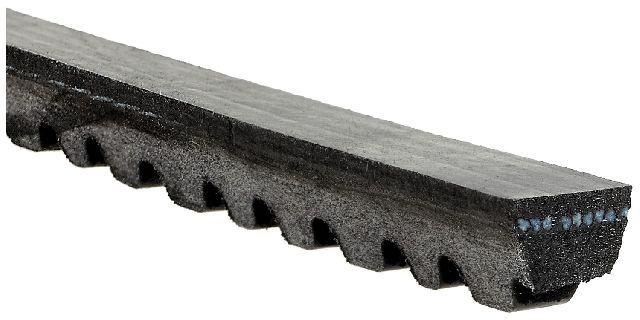
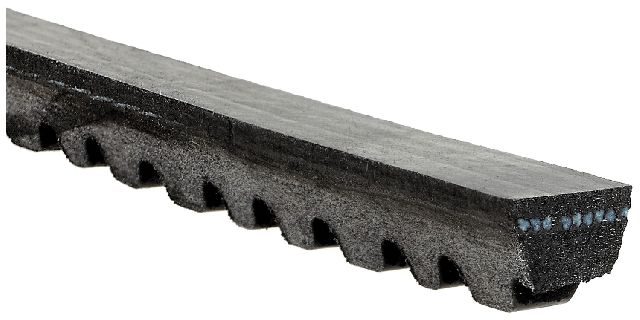
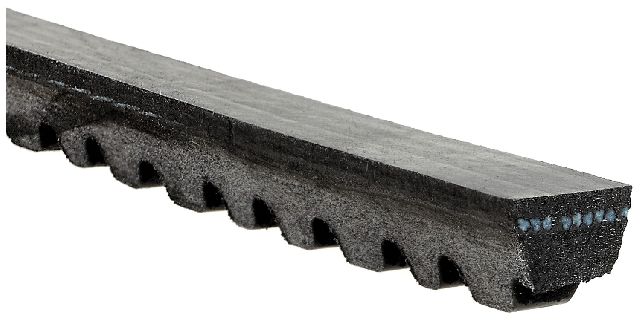
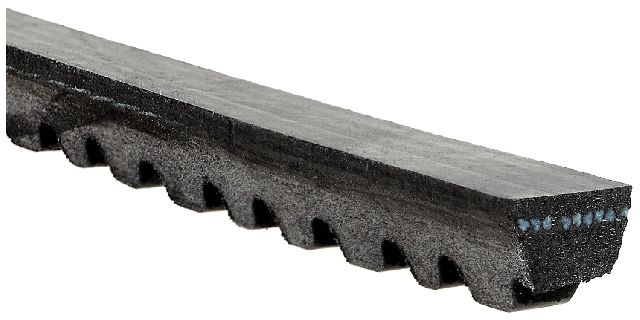
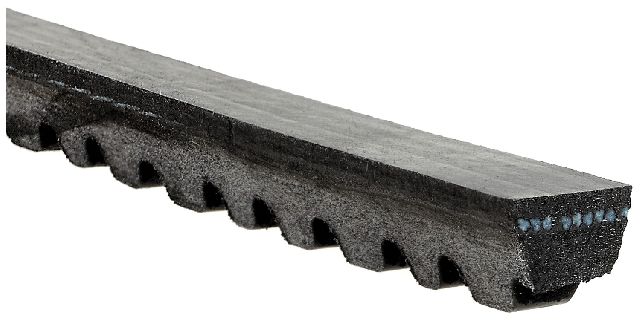
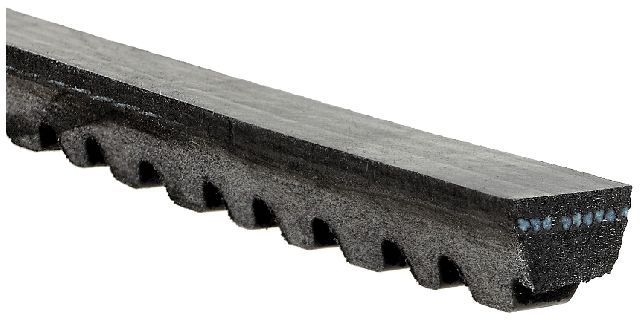
Unlike modern vehicles that use a single, wide serpentine belt, your 1959 Studebaker 4E7D relies on a simpler V-belt setup. For the standard 4.7L V8 engine, a single V-belt typically drives the fan, generator, and water pump. This belt sits in V-shaped grooves on the pulleys, and its friction is what turns the accessories. Because it's a single point of failure for both the cooling and charging systems, keeping this belt in good condition is vital for reliability.
Symptoms of a Failing Accessory Drive Belt
A worn or failing V-belt will give you several warning signs before it breaks completely. Ignoring them can leave you stranded.
- Squealing Noises: A high-pitched squeal, especially on cold starts or when accelerating, is the most common symptom. This noise is caused by the belt slipping on the pulleys due to wear, glazing, or improper tension.
- Visible Wear and Damage: A visual inspection can reveal a lot. Look for cracks, splits, fraying, or missing chunks of rubber. A shiny or glazed appearance on the belt's sides also indicates it's worn and slipping.
- Overheating Engine: If the belt slips or breaks, it can no longer turn the water pump effectively. This will cause your engine temperature to rise quickly, leading to potential engine damage.
- Battery Warning Light: The generator (or alternator) recharges your battery. If the belt isn't spinning the generator pulley, the battery will not charge, and the battery or generator warning light on your dash will illuminate.
Critical Failure Warning
If the accessory drive belt breaks, your truck will lose power to the water pump and generator immediately. The engine will rapidly overheat, and the battery will stop charging. You should pull over and shut off the engine as soon as it is safe to do so to prevent catastrophic engine damage.
Choosing the Right Aftermarket Belt: Gates vs. Continental
For a classic truck like the 4E7D, finding a "New Old Stock" (NOS) OEM Studebaker belt is difficult and often unnecessary. High-quality aftermarket brands like Gates and Continental offer excellent, reliable replacements. Both are well-regarded in the automotive community for V-belts. Some experienced mechanics have a personal preference, but both brands produce quality products suitable for your Studebaker. The most important factor is ensuring you purchase the correct size for your specific vehicle configuration.
Accessory Drive Belt Cost (1959 Studebaker 4E7D)
| Part Type | Estimated Cost |
|---|---|
| New Aftermarket (Gates, Continental) | $7.35 - $33.48 |
| Shop Labor | $50 - $100 |
Pro Tip: Check Your Tension
When installing a new belt, proper tension is key. A belt that is too loose will slip and squeal, while a belt that is too tight will cause premature wear on the bearings in your generator and water pump. A good rule of thumb is that on the longest span between pulleys, you should be able to twist the belt about 90 degrees (a quarter turn) with your fingers.
Frequently Asked Questions (FAQ)
How often should I replace the accessory drive belt?
For a classic vehicle that may not be driven daily, age is as important as mileage. It's a good practice to inspect the belt at every oil change and replace it every 3-5 years, or immediately if you see any signs of cracking, fraying, or glazing.
Is this a difficult part to replace myself?
No, this is a very feasible DIY job for most owners. The process involves loosening the generator mounting bolts to allow it to pivot, which releases tension on the belt. No special tools are typically needed beyond a basic set of wrenches.
What is the correct belt for my truck?
The 1959 4E7D with the 4.7L V8 engine typically requires a V-belt with an outside circumference of 59 3/4 inches for the fan and generator. However, always double-check your existing belt or part numbers, as modifications could have been made over the decades.
Are there any recalls for the accessory drive belt on my Studebaker?
There are no active recalls or Technical Service Bulletins (TSBs) from the NHTSA regarding the accessory drive belts for the 1959 Studebaker 4E7D. This is expected for a vehicle of this age.
Technical Specifications
Belt Type: V-Belt. Common Size for Fan and Generator: 59 3/4" Outside Circumference.
We Have This Part in Stock

The information in this article is provided for general reference and educational purposes only. Vehicle specifications, procedures, and part compatibility can vary by production date, trim level, and region. Always consult your vehicle's factory service manual and verify part numbers before purchasing or performing repairs. Safety-critical components such as airbags, seat belts, and braking systems should be installed by a qualified professional.