

Accessory Drive V-Belt Guide for the 1959 Studebaker 4E7 Truck
Everything you need to know to select the correct new accessory drive belts for your classic Studebaker truck.
- Your 1959 4E7 uses a multiple V-belt system, not a single serpentine belt.
- The most critical step is buying the correct length belt for your specific engine and accessory combination.
- Modern aftermarket brands like Gates and Continental are high-quality, reliable replacements.
- If one belt is worn, it is best practice to replace all of them at the same time.
Understanding the V-Belt System in Your 1959 4E7
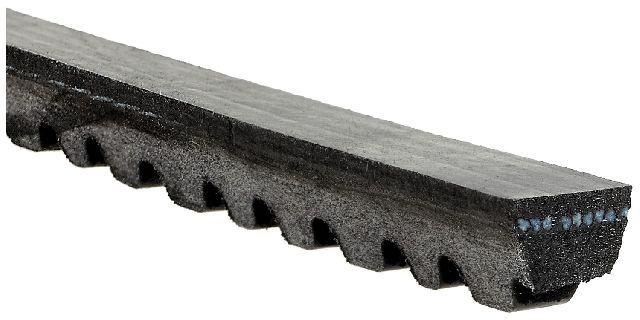
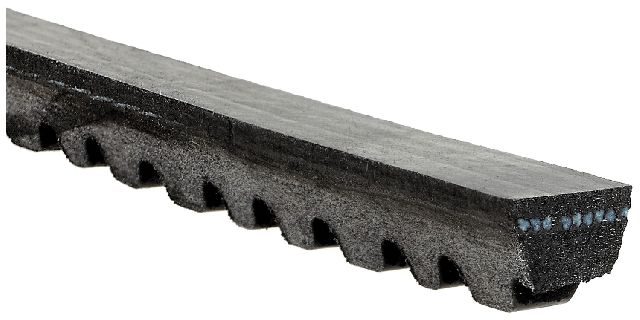
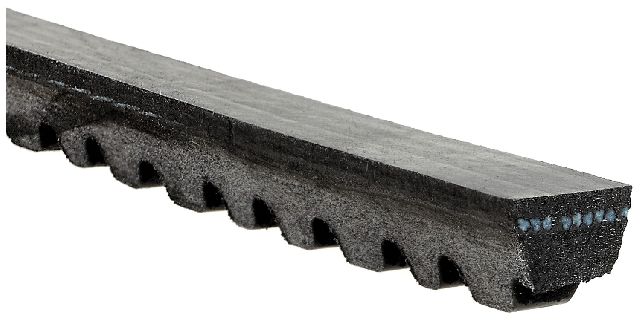
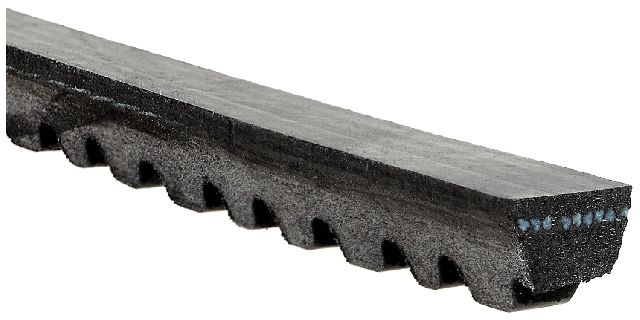
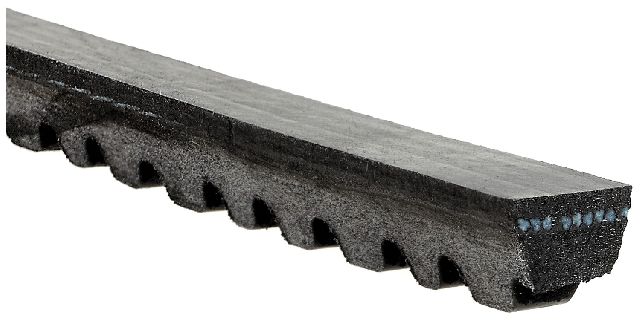
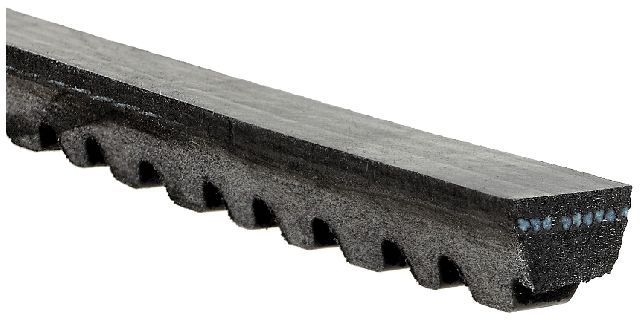
The accessory drive system on your 1959 Studebaker 4E7 is a classic V-belt setup. Unlike modern vehicles that use a single serpentine belt, your truck uses several individual belts. This is typical for vehicles of this era. The main challenge and most critical step in replacing these belts is ensuring you purchase the correct length and width for each position. The 1959 4E7 was available with different engines, including a 289 cu. in. V8, and could be optioned with different accessories, all of which can affect the required belt size.
Check Your Configuration Before Ordering
Studebaker was known to use different component configurations. For example, a service bulletin for the era noted that different generator pulleys were used on V8 models, which required a different length belt. Always measure your old belts or verify part numbers against your specific engine and accessory setup to guarantee a perfect fit.
Symptoms of a Failing Drive Belt
The V-belts on your Studebaker will give you clear warnings when they need to be replaced. Ignoring them can leave you stranded with an overheated engine or a dead battery.
- Squealing Noises: A loud, high-pitched squeal, especially when you start the engine or during acceleration, is the most common sign of a loose or worn-out belt slipping on its pulleys.
- Visible Damage: A visual inspection is your best tool. Look for deep cracks, fraying edges, missing chunks, or a smooth, shiny surface (glazing) which indicates the rubber has hardened and can no longer grip the pulleys effectively.
- Accessory Problems: If you notice the 'GEN' light on your dash flickering, your headlights dimming, or the engine temperature gauge climbing higher than normal, it could be caused by a broken or slipping belt failing to power the generator or water pump.
Choosing the Right Aftermarket Belt
Original equipment Studebaker belts are no longer manufactured. Fortunately, modern aftermarket brands offer high-quality replacements that are often more durable than the originals. For your 1959 4E7, you will be choosing between different grades of new aftermarket V-belts.
Brand Quality: Continental vs. Gates
Both Continental and Gates are well-respected brands in the classic car community and are considered reliable choices. Forum discussions show that owners have had good experiences with both, and personal preference is often the deciding factor. Some mechanics prefer Gates for V-belts on American classics, while others note that Continental is an OEM supplier for many European brands and makes a quality product. Ultimately, either brand is a significant upgrade over a generic, unbranded part. A video comparison of the two brands' V-belts found their construction to be virtually identical.
Cost of New Aftermarket Accessory Drive Belts
| Part Type | Price Range | Notes |
|---|---|---|
| New Aftermarket (Gates, Continental) | $7.35 - $33.48 | The best and most reliable option. Price varies by specific belt length and width. |
| New OEM (NOS) | Varies widely | "New Old Stock" parts that have been sitting on a shelf for decades. Rubber may be brittle and unreliable. Not recommended. |
| Shop Labor for Installation | $75 - $150 | Estimated cost for a mechanic to replace one or all belts. This is a very DIY-friendly job. |
Pro Tip: If one belt is showing signs of age, it's wise to replace all of them at the same time. The other belts are likely the same age and condition, and replacing them all at once saves you from doing the same job again in a few months.
Frequently Asked Questions (FAQ)
Can I replace the accessory belts myself?
Yes, this is a straightforward and common maintenance task for a DIY mechanic. Access is generally good on these trucks. The job involves loosening the bolts on an accessory (like the generator), pivoting it to release belt tension, swapping the belt, and then re-tensioning. It only requires basic hand tools.
How do I make sure the new belt is tight enough?
Proper tension is crucial. Too loose, and the belt will slip and squeal. Too tight, and you can cause damage to the bearings inside your generator or water pump. A good rule of thumb is to find the longest span of the belt between two pulleys and press on it. You should have about half an inch of deflection. Another method is to twist the belt; you should be able to twist it about 90 degrees (a quarter turn) with your fingers.
Are there any recalls for the drive belts on my truck?
No. There are no NHTSA safety recalls for the 1959 Studebaker 4E7. The NHTSA was not formed until 1970, long after this truck was built.
Why are there so many different belts listed for my truck?
Your 1959 4E7 uses multiple V-belts. The exact number, length, and width of these belts depend on your truck's specific configuration: which engine it has (V8 or the less common 6-cylinder) and which accessories are installed (power steering, A/C, etc.). You must buy the correct belt for each specific function.
Technical Specifications
System uses multiple V-belts. Belt length and width vary based on engine type (V8 or 6-Cylinder) and factory-installed accessories like power steering or air conditioning.
We Have This Part in Stock

The information in this article is provided for general reference and educational purposes only. Vehicle specifications, procedures, and part compatibility can vary by production date, trim level, and region. Always consult your vehicle's factory service manual and verify part numbers before purchasing or performing repairs. Safety-critical components such as airbags, seat belts, and braking systems should be installed by a qualified professional.