

Studebaker 4E11D Brake Light Switch: A Complete Guide (1959)
Keep your classic Studebaker truck safe and on the road by understanding its simple but vital brake light switch.
- The 1959 Studebaker 4E11D uses a hydraulic pressure switch in the brake lines, not a mechanical one at the pedal.
- Failure symptoms are critical: lights don't work, lights stay on, or fluid leaks at the switch.
- Driving with a faulty brake light switch is illegal and unsafe; repair it immediately.
- A new aftermarket switch from a brand like Standard Ignition is a reliable and affordable replacement, as NOS parts are rare.
Symptoms of a Failing Brake Light Switch
A bad brake light switch on your Studebaker truck has very clear symptoms. Because this part is essential for safety, you should address these issues immediately.
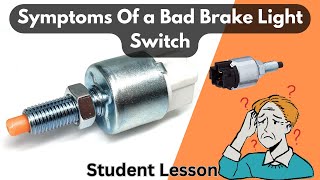
🎬 Watch this video to see common signs of switch failure.- Brake Lights Do Not Turn On: This is the most common and dangerous sign of a failed switch. The internal parts have likely worn out, preventing the electrical circuit from being completed.
- Brake Lights Stay On: If the switch fails in the 'on' position, it will cause your brake lights to remain lit even when you're not braking. This can drain your battery and confuse other drivers.
- Lights Only Work With Hard Braking: An old switch may need more hydraulic pressure to work. If your lights only come on during hard stops, the switch is failing and needs to be replaced.
- Leaking Brake Fluid: Since the switch is part of the hydraulic system, a crack in the switch body or a bad seal can cause brake fluid to leak. This is a critical safety issue that can lead to brake failure.
Safety First: A Failing Switch is a Critical Problem
Driving without working brake lights is illegal and extremely dangerous. If you notice any of the symptoms above, you should not drive the vehicle until it is repaired. A brake fluid leak is especially serious and requires immediate attention.
Choosing the Right Aftermarket Part
For a 1959 vehicle, finding original "New Old Stock" (NOS) parts can be difficult and expensive. Aftermarket parts are often the most practical and available option.
OEM vs. Aftermarket
Original equipment (OEM) Studebaker switches are no longer manufactured. You might find an NOS part, but its age could make it unreliable. A new aftermarket switch from a reputable brand is often the best choice. Modern manufacturing standards can offer better reliability than a decades-old original part. The key is to choose a quality brand.
Brand Focus: Standard Ignition
Standard Ignition (also known as Standard Motor Products or SMP) is a well-known and trusted brand in the aftermarket industry that has been around for over 100 years. They manufacture a wide range of automotive electrical components. Their parts are known for meeting or exceeding original specifications, using quality materials like copper alloy conductors and durable housings. For a simple but crucial part like a hydraulic brake light switch, a Standard Ignition replacement is a reliable and affordable choice for your Studebaker truck.
Pro Tip: Consider a Mechanical Switch Conversion
Some classic Studebaker owners choose to convert from the original hydraulic pressure switch to a more modern mechanical switch that mounts near the brake pedal. This modification eliminates the potential for brake fluid leaks at the switch and can provide a quicker light response. However, this requires custom installation and is not a direct replacement.
Known Issues, Recalls, and Service Bulletins
For a vehicle as old as the 1959 Studebaker 4E11D, official manufacturer Technical Service Bulletins (TSBs) and modern NHTSA recalls are not applicable or available. Any widespread issues with parts like the brake light switch have been addressed by owners and mechanics over many decades. The most common known issue is the eventual failure of the hydraulic switch due to age, which can sometimes include fluid leaks. Some owners report that using modern silicone brake fluid can cause premature failure in some reproduction hydraulic switches.
| Part Type | Estimated Cost |
|---|---|
| New Aftermarket (Standard Ignition) | $15 - $20 |
| New Old Stock (NOS) OEM | $35 - $70+ (if found) |
| Shop Labor for Installation | $50 - $100 |
Frequently Asked Questions (FAQ)
Where is the brake light switch located on my 1959 Studebaker truck?
The brake light switch is not located by the brake pedal. It is a hydraulic pressure switch that is screwed into the brake line system, often on a junction block that distributes brake fluid or directly on the master cylinder. You will need to trace the brake lines from the master cylinder to find it.
Is replacing the brake light switch a difficult job?
For a DIY mechanic, it is a relatively simple job. However, because it is part of the hydraulic brake system, you will need to bleed the brakes after replacing the switch to remove any air that entered the lines. This step is critical for safe brake operation. If you are not comfortable bleeding brakes, it is best to have a professional mechanic do the job.
Do I need a special tool to replace the switch?
You will typically only need basic hand tools, such as a wrench (often a flare nut wrench is best to avoid stripping fittings) to remove the old switch and install the new one. You will also need tools for bleeding the brakes, which usually includes a wrench to open the bleeder screws and a container to catch the old fluid.
Will a new aftermarket switch work with my truck's original wiring?
Yes, quality aftermarket switches like those from Standard Ignition are designed to be direct replacements. They will have the correct thread size and electrical terminals (usually two screw-type or push-type terminals) to connect to your factory wiring harness without modification.
Helpful Videos
Technical Specifications
OEM Part Numbers: 666858
Hydraulic pressure-activated switch with two terminals. The switch activates when it detects a rise in brake fluid pressure.
We Have This Part in Stock


The information in this article is provided for general reference and educational purposes only. Vehicle specifications, procedures, and part compatibility can vary by production date, trim level, and region. Always consult your vehicle's factory service manual and verify part numbers before purchasing or performing repairs. Safety-critical components such as airbags, seat belts, and braking systems should be installed by a qualified professional.