

Radiator Coolant Hose Guide for the 1959 Studebaker 4E1
Keep your classic Studebaker truck's engine cool and reliable by knowing when and how to replace its aging radiator hoses.
- Always choose new aftermarket hoses from brands like Gates or Continental; avoid New Old Stock (NOS) rubber parts as they are likely degraded by age.
- Inspect hoses regularly for cracks, bulges, or a spongy feel, as these are signs of imminent failure on a classic truck.
- If one radiator hose is bad, replace both the upper and lower hoses at the same time, along with new clamps, to ensure a reliable cooling system.
- A burst radiator hose will cause rapid overheating and can lead to severe engine damage; do not drive if you suspect a major leak.
Signs of a Failing Radiator Hose on Your 4E1 Truck
On a classic truck like the 1959 Studebaker 4E1, rubber components are often the first parts to degrade due to age, heat cycles, and exposure to fluids. It's not a matter of if the hoses will fail, but when. Regular inspection is key to preventing a breakdown.
- Visible Damage: Look for cracks, splits, or bulges anywhere on the hoses. Oil contamination from other engine leaks can cause the rubber to swell, soften, or feel spongy.
- Coolant Leaks: Puddles of green or yellow, sweet-smelling fluid under the front of your truck are a clear sign of a leak. Check for wetness or crusty residue where the hoses connect to the radiator and engine.
- Spongy or Hard Hoses: When the engine is completely cool, squeeze the hoses. They should feel firm but have a little give. A hose that feels mushy, rock-hard, or brittle needs immediate replacement.
- Engine Overheating: A rising temperature gauge can be caused by a failing hose. The hose can leak coolant or even collapse internally, which blocks flow even if the outside looks fine. The lower hose is particularly susceptible to collapsing under the water pump's suction.
A Burst Hose Can Cause Catastrophic Engine Damage
A complete hose failure will drain the engine coolant in minutes, causing the engine to overheat rapidly. This can lead to warped cylinder heads or a completely seized engine, resulting in a very expensive repair. If you see steam from the engine or your temperature gauge spikes, pull over immediately.
Choosing the Right Aftermarket Hose: OEM vs. Aftermarket
Original Equipment Manufacturer (OEM) hoses for a 1959 Studebaker are no longer in production. While you might find a "New Old Stock" (NOS) part, this is not recommended. A 60-year-old rubber hose, even if it has never been used, will be brittle and unreliable due to age.
Modern aftermarket hoses from reputable brands are the superior choice. They are made with advanced rubber compounds that offer better resistance to heat, oil, and ozone than the original 1950s technology. For your 4E1, you have two excellent brand choices:
- Gates: A top-tier brand often preferred by classic car enthusiasts for its quality and accurate fitment. Forum discussions show that Gates is a highly reliable choice for radiator hoses.
- Continental: Another well-respected brand known for producing durable rubber components. While specific comparisons for this truck are rare, Continental is generally considered a quality option alongside Gates.
Pro Tip: When you replace one radiator hose, it's best practice to replace both the upper and lower hoses at the same time. Also, install new hose clamps. The old ones can lose their tension over time and may not seal properly on the new hoses.
Radiator Coolant Hose Cost for 1959 Studebaker 4E1
| Part Type | Price Range |
|---|---|
| New Aftermarket (Gates, Continental) | $31.49 - $77.47 |
| New Old Stock (NOS) | Varies greatly, not recommended |
| Shop Labor | $90 - $180 |
Frequently Asked Questions (FAQ)
Can I use a universal or flex hose on my Studebaker 4E1?
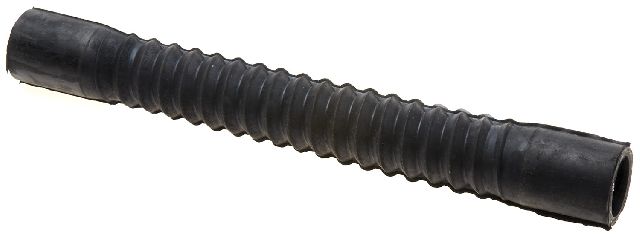
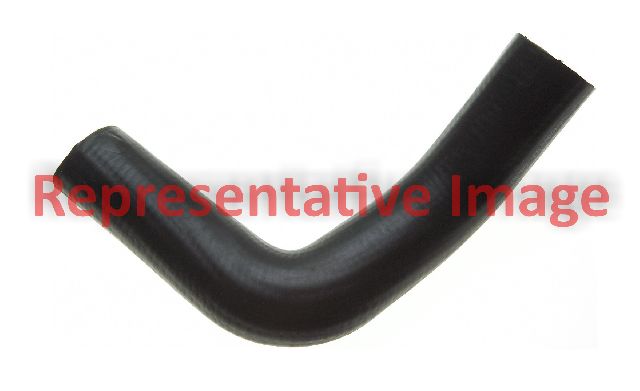
While universal or flexible hoses can work in a pinch, a direct-fit molded hose is always the better option. Molded hoses are designed with the correct bends to avoid kinks that can restrict coolant flow, ensuring optimal performance and reliability for your truck's specific engine layout.
Are there any recalls for the radiator hoses on a 1959 Studebaker?
No, there are no recalls or manufacturer Technical Service Bulletins (TSBs) for radiator hoses on this vehicle. The vehicle predates the modern NHTSA recall system, and any failure will be due to the age and wear of the part.
How often should I replace my radiator hoses?
For a classic vehicle like the 4E1, it's wise to replace the radiator hoses as a preventative measure every 4 to 5 years, regardless of their appearance. This simple maintenance can prevent a sudden failure that could leave you stranded.
What type of coolant should I use in my 1959 Studebaker?
For this era of vehicle, you should use a conventional IAT (Inorganic Additive Technology) coolant, which is typically bright green. Do not use modern orange, pink, or red extended-life coolants (like Dex-Cool), as their chemical composition can be harmful to the solder and other materials in your original-style radiator.
Technical Specifications
Vehicle requires one upper and one lower molded radiator hose. The specific hose depends on the engine installed (6-cylinder or V8).
We Have This Part in Stock

The information in this article is provided for general reference and educational purposes only. Vehicle specifications, procedures, and part compatibility can vary by production date, trim level, and region. Always consult your vehicle's factory service manual and verify part numbers before purchasing or performing repairs. Safety-critical components such as airbags, seat belts, and braking systems should be installed by a qualified professional.