

1959 Chevrolet 3F Distributor Cap Replacement Guide
Keep your classic Chevrolet running smoothly by understanding when and how to replace your distributor cap.
- A failing distributor cap on a 1959 Chevrolet can cause rough idling, misfires, hard starting, and stalling.
- Always replace the distributor rotor at the same time as the cap for a complete ignition tune-up.
- Choose an aftermarket cap with brass terminals for better corrosion resistance and longevity.
- This is a simple DIY job that requires only basic tools and careful transfer of the spark plug wires.
Is Your Classic Chevy Running Rough? Check the Distributor Cap
The distributor cap on a 1959 Chevrolet is a classic wear-and-tear item. It lives in a tough environment with high voltage and heat. Over many years and miles, the plastic can get brittle and crack. The metal terminals inside can corrode or get coated with carbon. Moisture can also get inside and cause the spark to weaken or go to the wrong place. When this happens, you'll start to notice problems with how your engine runs.
Symptoms of a Failing Distributor Cap
A bad distributor cap can cause a range of issues, from annoying to serious. If you notice any of these signs, it's time to inspect your cap and rotor.
- Engine Misfires: The engine may stumble or hesitate, especially when you accelerate. This happens when a cylinder doesn't get the spark it needs.
- Rough Idle: Instead of a smooth hum at a stop, the engine may shake or run unevenly.
- Hard Starting: The engine may crank for a long time before it finally starts, or it might not start at all. This can be worse in cold or damp weather.
- Stalling: The engine might die unexpectedly while you're driving or idling.
- Visible Damage: If you look at the cap, you might see cracks, a white chalky substance on the terminals, or black carbon tracks inside.
Pro Tip: When you replace the distributor cap, you should always replace the rotor at the same time. They wear out together. This is a cheap and easy way to make sure your ignition system is in top shape.
Choosing the Right Aftermarket Distributor Cap
For a classic vehicle like a 1959 Chevrolet, you won't find a "new OEM" part from GM. Aftermarket brands are your main option. The good news is that brands like Standard Ignition and Walker Products make quality parts for these vehicles.
When choosing a cap, pay attention to the material of the metal contacts inside:
- Aluminum Terminals: These are common on standard or budget-friendly caps. They work fine but can corrode more quickly than brass.
- Brass Terminals: Often found on premium caps, brass is more resistant to corrosion and is an excellent conductor of electricity. For a classic car that might sit for periods, brass terminals are a smart upgrade for long-term reliability.
Brand Quality:
- Standard Ignition (Standard Motor Products): A highly respected brand in the aftermarket, often considered a top-tier choice. Their parts are known for good quality and fit. They often use high-quality materials like glass-reinforced polyester and brass terminals.
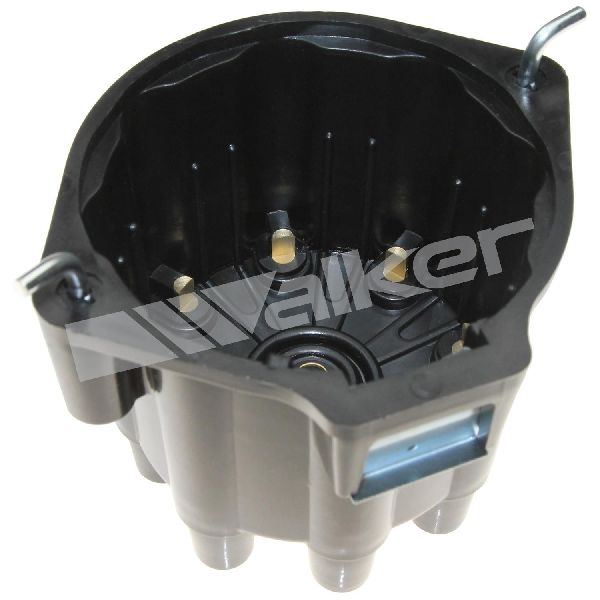
- Walker Products: Another established brand that manufactures a wide range of engine management parts. They state their caps are designed to meet or exceed OE specifications and use high-dielectric materials to resist carbon tracking.
For this part, both brands offer reliable options. Choosing a premium cap with brass terminals from either brand is a good investment for your vehicle's performance.
Distributor Cap Replacement Cost
Replacing a distributor cap is one of the more affordable repairs you can make. The parts are not expensive, and the labor is straightforward.
| Item | Estimated Cost |
|---|---|
| New Aftermarket Distributor Cap | $24 - $35 |
| Shop Labor | $50 - $100 |
| Total Estimated Cost | $74 - $135 |
Cost estimates are approximate and can vary based on your location and the specific repair shop.
Frequently Asked Questions (FAQ)
Is replacing the distributor cap a difficult job?
No, this is a very beginner-friendly job. The distributor cap is held on by two clips or screws and is easy to access on top of the engine. The most important step is to transfer the spark plug wires from the old cap to the new one, one at a time, to ensure they go to the exact same position. This keeps the correct engine firing order.
How often should I replace my distributor cap?
For a classic car, it's best to inspect the cap and rotor annually. A good rule of thumb is to replace them every 20,000-30,000 miles or whenever you change your spark plugs and wires. Look for cracks, corrosion, or carbon build-up inside the cap.
What tools do I need to replace a distributor cap?
You usually only need a screwdriver or a small socket wrench, depending on whether your cap is held on by screws or clips. It's also helpful to have a rag to clean the area and possibly some pliers to help with stubborn clips.
Are there any recalls for the 1959 Chevrolet distributor cap?
There are no active recalls or specific Technical Service Bulletins (TSBs) for the ignition system on a 1959 Chevrolet found in the NHTSA database. Recalls for vehicles of this age are extremely rare.
Technical Specifications
Varies by engine (I6 or V8). Ensure the new cap matches the cylinder count and distributor type (e.g., points-style) for your specific 1959 Chevrolet engine.
We Have This Part in Stock


The information in this article is provided for general reference and educational purposes only. Vehicle specifications, procedures, and part compatibility can vary by production date, trim level, and region. Always consult your vehicle's factory service manual and verify part numbers before purchasing or performing repairs. Safety-critical components such as airbags, seat belts, and braking systems should be installed by a qualified professional.