

1959 Chevrolet Automatic Transmission Mount: A Guide to Replacement
If your classic Chevrolet clunks when you shift or vibrates excessively, your transmission mount may be the culprit.
- Clunks when shifting and excessive vibration are the most common signs of a failed mount.
- Budget aftermarket brands like Anchor and DEA are inexpensive but widely reported to cause more vibration and fail prematurely.
- For a smooth, factory-like ride, a quality rubber mount is a better choice than stiff polyurethane.
- Always inspect your engine mounts when replacing the transmission mount, as they wear out at a similar rate.
Is Your 1959 Chevrolet's Transmission Mount Failing?
After more than 60 years, the original rubber on your transmission mount has likely seen better days. Heat, age, and exposure to fluids cause the rubber to crack, collapse, or separate from its metal frame. When this happens, the mount can no longer support the transmission correctly, leading to several distinct problems.
Common Symptoms of a Bad Mount
- Excessive Vibration: This is the most common sign. You might feel a new or worsening vibration through the floor, seats, or steering wheel, especially when idling in gear or accelerating.
- Clunking or Banging Noises: A loud "clunk" or "thud" when you shift from Park into Drive or Reverse is a classic symptom. You may also hear these noises when you accelerate or brake suddenly as the transmission shifts and hits the frame.
- Visible Drivetrain Movement: A worn mount allows the entire engine and transmission assembly to move excessively. You might notice the engine lurching when shifting gears (with your foot on the brake) or revving the engine.
- Shifting Issues: In some cases, a bad mount can cause the transmission to sit at the wrong angle, which may affect shift linkage and lead to rough or difficult shifting.
Choosing the Right Aftermarket Mount: Budget vs. Quality
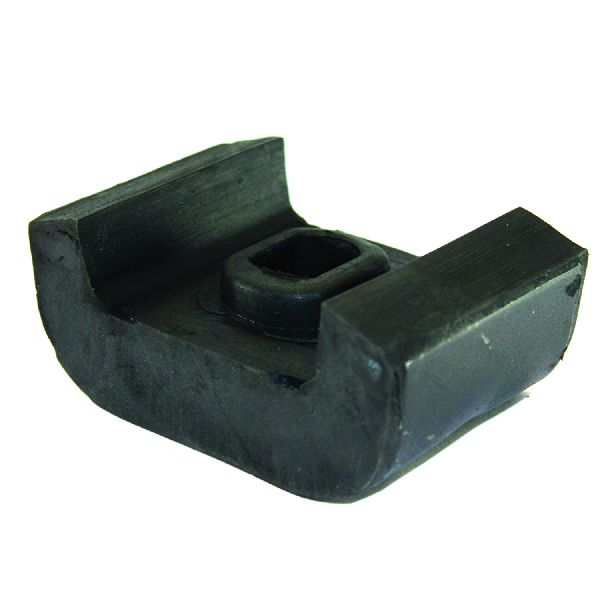
Since new original GM parts are no longer made, you'll be choosing from aftermarket replacements. For a 1959 Chevrolet, the primary options are standard rubber mounts.
| Brand Tier | Brands | Typical Price | Best For... |
|---|---|---|---|
| Economy | Anchor, DEA | $5 - $15 | The most budget-conscious repair. |
| Performance / Durability | Prothane | $30 - $55 | Modified cars where performance is prioritized over comfort. |
A Warning on Economy Brands
While brands like Anchor and DEA are inexpensive, owner feedback is often negative. Many classic car owners and mechanics report that these budget mounts can be made of harder rubber, leading to more cabin vibration than the original part. There are also frequent complaints about premature failure, with some mounts lasting only a few thousand miles before needing to be replaced again. If a smooth, quiet ride is your priority, consider searching for a higher-quality reproduction or a New Old Stock (NOS) part if available.
Pro Tip: Replace Mounts in Sets
The engine and transmission mounts work together as a system. If your transmission mount has failed due to age, your engine mounts are likely in similar poor condition. It is highly recommended to inspect and replace the engine mounts at the same time to ensure the entire drivetrain is stable and properly aligned. Mixing old and new mounts can put extra stress on the new part, causing it to fail sooner.
Frequently Asked Questions (FAQ)
Is it hard to replace a 1959 Chevrolet transmission mount?
No, this is a job that a DIY mechanic can typically handle. It involves safely raising the car, supporting the transmission's weight with a floor jack and a block of wood, unbolting the crossmember and mount, and installing the new part. It usually takes 1-2 hours and doesn't require highly specialized tools.
Should I use a polyurethane mount on my classic Chevy?
For most owners, the answer is no. Polyurethane is very durable but also very stiff. It will transfer significantly more vibration and noise into the cabin, making for a harsher ride that most classic car drivers find unpleasant. Stick with a quality rubber mount for cruising comfort.
Are there any recalls for the 1959 Chevrolet transmission mount?
No, there are no active recalls or Technical Service Bulletins (TSBs) from the NHTSA for the transmission mount on 1959 Chevrolet passenger cars. Any issues you experience are due to the age and wear of the original component.
What if I have a different transmission, like a TH350?
If your car has been modified with a newer transmission like a Turbo 350, TH400, or 700R4, you will likely need a different mount and possibly a new transmission crossmember to match. The standard mount for the original Powerglide transmission will not fit.
Technical Specifications
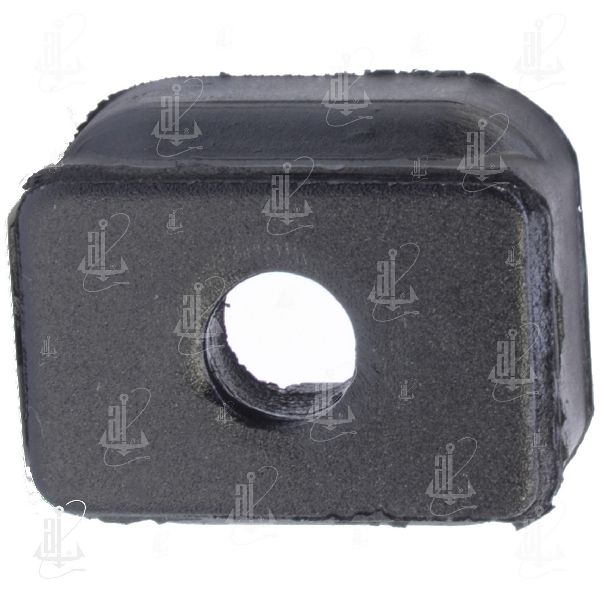
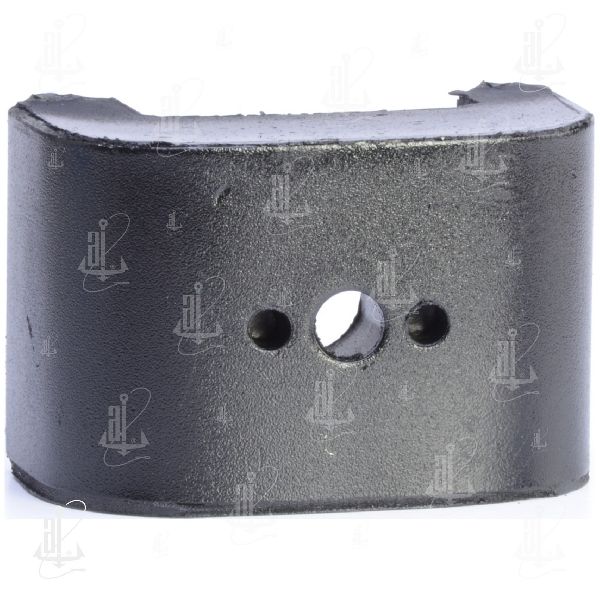
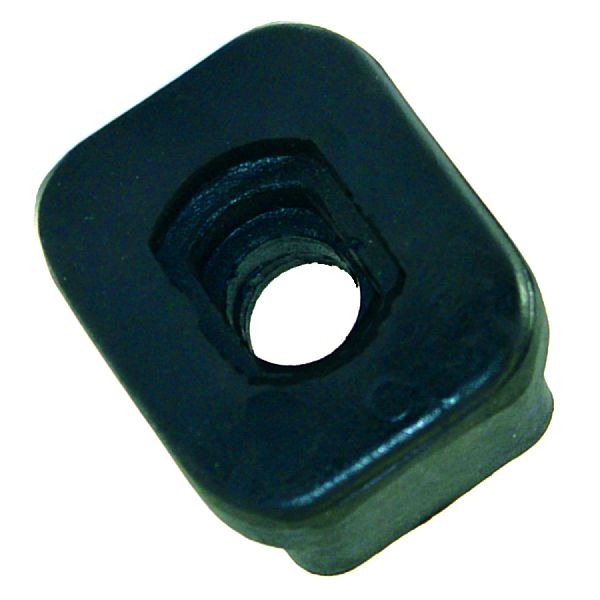
The 1959 Chevrolet passenger car automatic transmission mount is a single, rear mount that bolts to the transmission tailshaft and the frame's central crossmember. It consists of a steel bracket with a vulcanized natural rubber core.
We Have This Part in Stock

The information in this article is provided for general reference and educational purposes only. Vehicle specifications, procedures, and part compatibility can vary by production date, trim level, and region. Always consult your vehicle's factory service manual and verify part numbers before purchasing or performing repairs. Safety-critical components such as airbags, seat belts, and braking systems should be installed by a qualified professional.