

Choosing the Right Spark Plug Wire Set for Your 1959 Chevrolet 3C Truck
Get your classic Chevy truck running smoothly with the right set of spark plug wires.
- Match the wire set to your engine (6-cylinder or V8) and ignition type (stock points or upgraded electronic).
- For stock engines, brands like ACDelco and Standard Motor Products are excellent choices.
- If you have aftermarket headers, upgrade to a wire set with high-temperature silicone jackets like Taylor or FAST to prevent melting.
- Replacing wires is a simple DIY task; swap them one-by-one to maintain the correct firing order.
Symptoms of Failing Spark Plug Wires
Spark plug wires operate in a tough environment, constantly exposed to high heat from the engine and exhaust, as well as oil and vibration. Over time, the wire's insulation breaks down and the internal conductor can degrade. When wires start to fail on your classic Chevy, the symptoms are usually easy to spot.
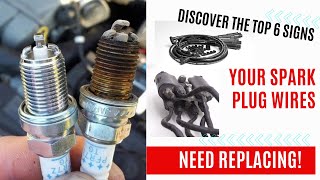
🎬 Watch this video to see common symptoms of bad wires.- Rough Idle: The engine may shake or run unevenly when the truck is stopped. This is often because a cylinder isn't firing consistently due to a weak or missing spark.
- Engine Misfire or Hesitation: You might feel the engine stumble, jerk, or lose power when you accelerate. This happens when a wire fails to deliver a proper spark under load.
- Hard Starting: If the engine is difficult to start, it could be due to bad spark plug wires not delivering enough voltage for ignition.
- Visible Damage: A visual check is important. Look for cracks in the wire insulation, brittleness, burn marks, or melting. Wires touching the hot exhaust manifold is a common problem, especially on V8 models.
- Radio Static: Older carbon-core wires were designed to suppress radio frequency interference (RFI). As they age and break down, you might hear a crackling or buzzing sound through your AM/FM radio that changes with engine speed. Modern spiral-core wires are much better at suppressing this noise.
Choosing Your Aftermarket Spark Plug Wire Set
For a 1959 vehicle, new "OEM" parts are not available from the original manufacturer. Aftermarket parts are your primary option, and they often use technology that is superior to what was available in the 1950s. The key is to match the wire set to your truck's engine and ignition system.
Brand Quality Tiers for 1959 Chevrolet 3C
| Tier | Brands | Best For |
|---|---|---|
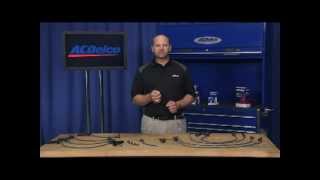
| Good (Standard Replacement) | ACDelco Professional, Standard Motor Products (SMP) | Stock, unmodified engines with original points-style ignition. These provide reliable performance and are designed to be direct replacements for the original wires. Standard Motor Products is a long-established brand known for good quality in ignition parts for American vehicles. | 🎬 Learn more about the features of ACDelco spark plug wires.
| Better (Performance Upgrade) | Taylor Cable | Mildly modified engines, such as those with an electronic ignition conversion (like a Pertronix unit), a higher output coil, or aftermarket exhaust headers. Taylor wires often feature thicker 8mm silicone jackets for better heat resistance and a spiral-wound core for lower resistance and a hotter spark. |
| Best (High Performance) | FAST (Fuel Air Spark Technology) | Highly modified or racing engines. FAST FireWire sets boast very low resistance (around 25 ohms per foot) for maximum spark energy. They are built with premium materials for superior heat protection and are ideal for engines with high-output ignition systems, but may be unnecessary for a stock truck. | 🎬 Check out this review of FAST high-performance ignition components.
Pro Tip: When replacing wires, do them one at a time. Remove one old wire from the distributor cap and spark plug, then install the new wire in the exact same location. This prevents mixing up the firing order, which would cause the engine to run poorly or not at all.
Frequently Asked Questions
Do I need special wires if I have headers?
Yes. Aftermarket headers produce more heat and are often closer to the spark plugs than stock exhaust manifolds. You should use wires with high-temperature silicone boots and thicker silicone jackets, like those from Taylor or FAST. Pay close attention to the spark plug boot angle (straight, 45°, or 90°) to ensure there is enough clearance to prevent melting. Some high-performance sets are "cut-to-fit," allowing you to create custom lengths for perfect routing.
What's the difference between carbon core and spiral core wires?
Original wires were often carbon core, which used carbon-impregnated fibers to conduct electricity and suppress radio noise. They have higher resistance and wear out over time. Modern performance wires use a spiral core, where a thin wire is wrapped around a core. This provides much lower resistance for a stronger spark, while still suppressing RFI that can interfere with radios and other electronics.
Are there any recalls or bulletins for my truck's ignition?
No. There are no active recalls or Technical Service Bulletins (TSBs) from the National Highway Traffic Safety Administration (NHTSA) for the ignition system on a 1959 Chevrolet truck. This is expected for a vehicle of this age.
What is a common mistake when ordering?
The most common mistake is ordering the wrong set for your engine. The 1959 Chevrolet trucks came with different engines, primarily the 235 cubic inch 6-cylinder and the 283 cubic inch V8. You must order a wire set specifically made for your engine type (6-cylinder or V8) to ensure you have the correct number of wires and that they are the proper length.
Helpful Videos
Technical Specifications
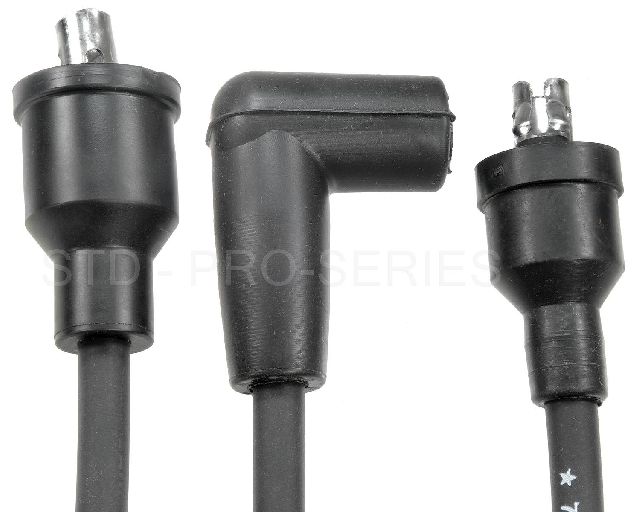
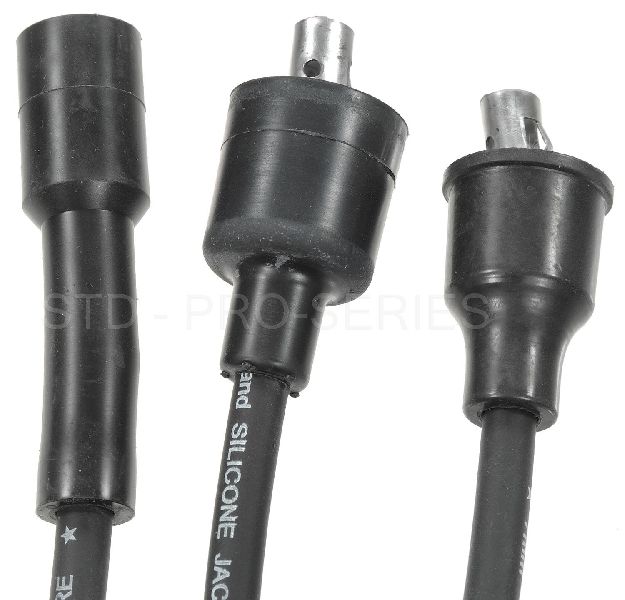
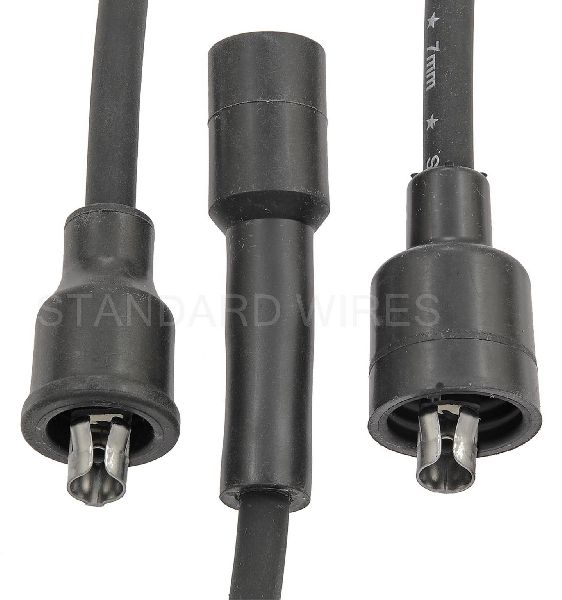
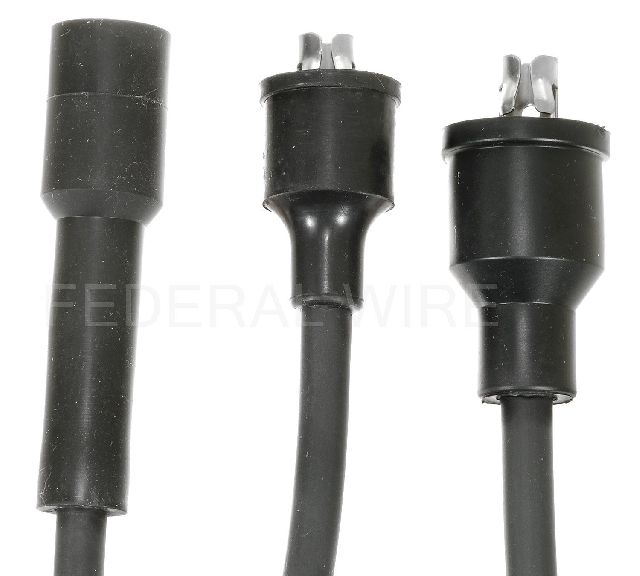
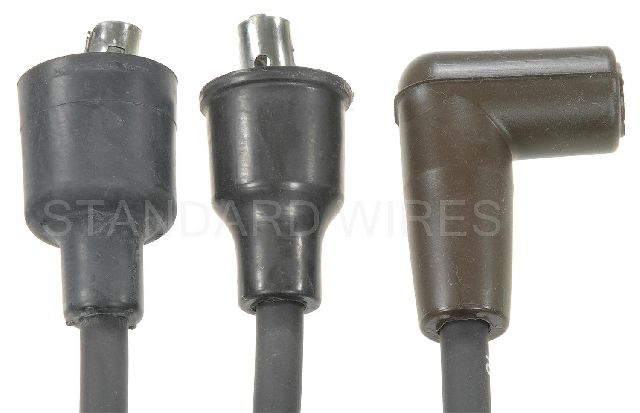
Engine and ignition specific. Wires are available for 6-cylinder and V8 engines. Diameter ranges from stock 7mm to performance 8.5mm. Core types include standard carbon core and low-resistance spiral core. Boot angles can be straight, 45-degree, or 90-degree.
We Have This Part in Stock
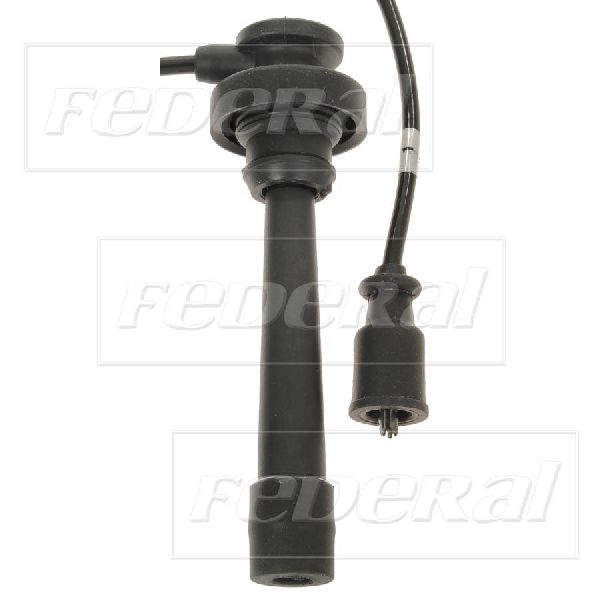

The information in this article is provided for general reference and educational purposes only. Vehicle specifications, procedures, and part compatibility can vary by production date, trim level, and region. Always consult your vehicle's factory service manual and verify part numbers before purchasing or performing repairs. Safety-critical components such as airbags, seat belts, and braking systems should be installed by a qualified professional.