

Distributor Cap Replacement Guide for the 1959 Chevrolet 3B Truck
Keep your classic Chevy truck running smoothly with the right distributor cap.
- A failing distributor cap on a 1959 Chevrolet 3B will cause misfires, rough idling, and hard starting.
- This is a simple, DIY-friendly replacement. The biggest mistake is mixing up the spark plug wires.
- Choose a replacement cap with brass terminals for better conductivity and longer life.
- No recalls or specific TSBs exist for this part; failures are due to normal age and wear.
Is Your 1959 Chevrolet 3B Running Rough? It Could Be the Distributor Cap
If you own a classic 1959 Chevrolet 3B, you know that keeping the original-style ignition system in good shape is key to reliability. The distributor cap is a simple but critical maintenance part that wears out over time. Because it operates in a high-voltage environment, the plastic can crack and the metal contacts can corrode or wear down, leading to engine problems.
Symptoms of a Failing Distributor Cap
A bad distributor cap can cause a variety of issues, from annoying to serious. Here’s what to look out for:
- Engine Misfires: The engine may stumble, jerk, or buck as you accelerate. This is often one of the first signs of a faulty cap.
- Rough Idle: Your truck might shake or vibrate when stopped at a light. This can happen when the terminals inside the cap are corroded, preventing a strong spark.
- Hard Starting: If the cap is cracked or has moisture inside, it can cause a weak spark, making the engine difficult to start, especially in cold or damp weather.
- Engine Stalling or Backfiring: In more severe cases, a bad cap can cause the engine to stall unexpectedly or backfire.
- No-Start Condition: If the cap is severely damaged or cracked, it may fail to deliver any spark at all, and the engine will crank but not start.
Pro Tip: Inspect Your Cap and Rotor
When you perform a tune-up, always remove the distributor cap for a visual inspection. Look for cracks (even hairline ones), carbon tracks between terminals, moisture, or any white or greenish corrosion on the metal contacts. It's standard practice to replace the distributor rotor at the same time as the cap.
Choosing the Right Aftermarket Distributor Cap
For a 1959 vehicle, original Delco-Remy parts are no longer manufactured. Your options are New Old Stock (NOS) parts, which are rare and costly, or modern aftermarket parts. A quality aftermarket cap is often the best choice, as they can be made from modern, more durable materials than the originals.
When shopping, look for caps with brass terminals instead of aluminum. Brass is a better conductor and is more resistant to corrosion, leading to a longer service life and better performance.
Available Brands: Standard vs. Walker
- Standard Ignition (Standard Motor Products): Standard is a well-known and generally respected aftermarket brand. Their premium "Blue Streak" line has a long history of being high-quality. For vintage American trucks, Standard is considered a reliable choice by many mechanics and enthusiasts.
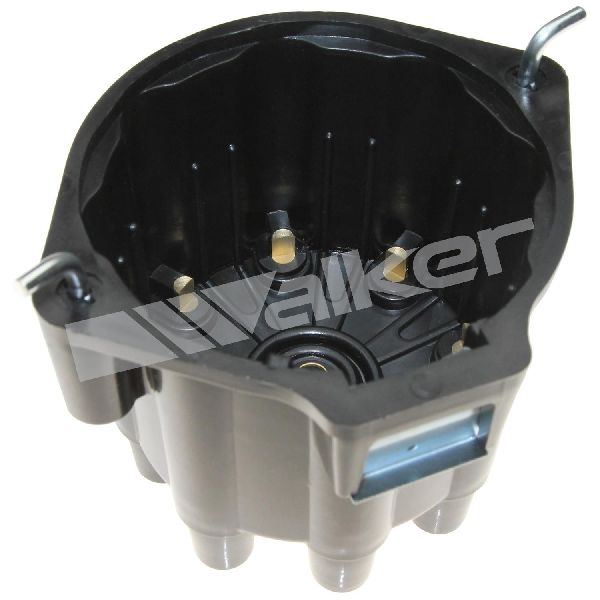
- Walker Products: Walker is another established aftermarket manufacturer. While less discussed in forums specifically for distributor caps compared to Standard, they produce a wide range of ignition components. A Walker-branded distributor assembly was shown to be used in a 1959 Apache project.
Between the two, Standard Ignition generally has a stronger reputation for ignition components in the classic vehicle community.
No Recalls or Technical Service Bulletins (TSBs)
Searches of the National Highway Traffic Safety Administration (NHTSA) database and other sources show no official recalls or TSBs related to the distributor cap for the 1959 Chevrolet 3B. This is common for vehicles of this era. Failures are typically due to age and normal wear.
Distributor Cap Replacement Cost for 1959 Chevrolet 3B
Replacing the distributor cap is an affordable and straightforward job. The part itself is inexpensive, and labor at a shop should be minimal. This is a very DIY-friendly task.
| Part/Service | Estimated Cost |
|---|---|
| New Aftermarket Distributor Cap | $24 - $35 |
| Shop Labor | $40 - $70 |
Frequently Asked Questions
How do I replace the distributor cap on my 1959 Chevy truck?
The process is simple. First, label each spark plug wire with its cylinder number (1-6 for an inline-six, 1-8 for a V8). Release the two clips or remove the screws holding the cap to the distributor body. Lift the old cap off, with the wires still attached. Transfer the wires one by one from the old cap to the new cap, making sure they go to the exact same position. Place the new cap on the distributor, ensuring it sits flat, and secure it with the clips or screws.
Should I replace the rotor at the same time?
Yes. The distributor rotor is another wear item that spins underneath the cap. It's inexpensive and easy to replace while the cap is off. It is highly recommended to replace them as a set.
What is the difference between a points-style cap and an HEI cap?
Your original 1959 truck has a points-style ignition with a smaller distributor cap. Some owners upgrade to a High Energy Ignition (HEI) system, which uses a much larger cap with an integrated ignition coil. The caps are not interchangeable. This guide is for the original points-style distributor.
What is the most common mistake when replacing a distributor cap?
The most critical mistake is mixing up the spark plug wires. This changes the engine's firing order and will cause it to run very poorly or not at all. Always label your wires before removing them from the old cap.
Technical Specifications
OEM Part Numbers: D-323R 1971324
Fits stock points-style distributors for Chevrolet inline-6 (235ci) and V8 (283ci) engines. Typically secured with clips. Terminal type can be aluminum or brass.
We Have This Part in Stock


The information in this article is provided for general reference and educational purposes only. Vehicle specifications, procedures, and part compatibility can vary by production date, trim level, and region. Always consult your vehicle's factory service manual and verify part numbers before purchasing or performing repairs. Safety-critical components such as airbags, seat belts, and braking systems should be installed by a qualified professional.