

A Practical Guide to the 1959 Chevrolet 3B Automatic Transmission Mount
If you're feeling new vibrations or hearing clunking noises, your classic truck's transmission mount may be the culprit.
- Symptoms of a bad mount include clunking noises when shifting and new vibrations in the cab.
- New aftermarket parts from brands like Anchor and DEA are the most common and affordable replacement option.
- For a classic truck, economy-tier aftermarket mounts are generally a suitable choice for standard driving.
- This is a simple and inexpensive DIY repair that can be done in about an hour with basic tools.
Symptoms of a Failing Transmission Mount
On a classic truck like the 1959 Chevrolet 3B, a bad transmission mount is usually easy to notice. The original rubber has likely become hard, brittle, or oil-soaked over the decades. When it fails, the connection between your transmission and the frame becomes loose.
- Clunking or Banging Noises: The most common sign is a loud clunk when you shift into gear, accelerate hard, or brake suddenly. This is the sound of the transmission moving excessively and hitting the frame.
- Excessive Vibration: You may feel a new or stronger vibration in the floor or seat, especially when idling in gear. As the rubber in the mount wears out, it can no longer absorb the normal vibrations from the engine and transmission.
- Visible Movement: A mechanic can often see the transmission lift or twist when shifting from drive to reverse with the brakes applied. You may also see that the mount's rubber is cracked, collapsed, or separated from the metal plates.
Choosing the Right Aftermarket Mount
For a vehicle as old as a 1959 truck, finding original factory parts is nearly impossible. "New Old Stock" (NOS) parts are extremely rare and expensive. Your realistic options are having an original core rebuilt or, more commonly, buying a new aftermarket mount. For a part like this, a new aftermarket unit is the most practical and affordable choice.
Aftermarket Brand Tiers
| Tier | Brands | Quality & Notes |
|---|---|---|
| Economy | Anchor, DEA | These brands provide a functional, low-cost replacement. They are widely available and will secure your transmission. However, some users report the rubber compound can be harder than the original, which may lead to a slight increase in cabin vibration. Given the simple design and low replacement cost, they are a reasonable choice for a standard-use classic truck. |
| Original / Rebuilt | N/A | This involves sending your original mount to a specialty shop to have new rubber vulcanized to the old metal parts. This is a more expensive and time-consuming option, typically reserved for high-point restorations where originality is critical. |
A Note on Part Quality
Enthusiast forums often have mixed reviews for economy brands like Anchor and DEA, citing issues with fit or longevity on modern cars. However, for a simple, solid rubber mount on a classic truck, these parts are generally considered adequate and a significant improvement over a failed original.
Typical Replacement Costs
Replacing the transmission mount is one of the more affordable repairs you can make. The part itself is inexpensive, and the labor is straightforward.
| Part Type | Price Range |
|---|---|
| New Aftermarket Mount | $5 - $14 |
| Shop Labor | $80 - $150 |
Pro Tip: Check Engine Mounts Too
The transmission mount works together with the engine mounts to support the entire powertrain. If your transmission mount has failed, it's a good idea to inspect your engine mounts at the same time. Worn engine mounts can put extra stress on the new transmission mount, causing it to fail prematurely.
Frequently Asked Questions
Are there any recalls for the 1959 Chevrolet 3B transmission mount?
No. There are no active recalls or common Technical Service Bulletins (TSBs) from Chevrolet for the transmission mount on this vehicle. Any failure is due to the age and wear of the original part.
Can I replace the transmission mount myself?
Yes, this is a very DIY-friendly job for someone with basic tools. The process involves supporting the transmission with a floor jack and a block of wood, unbolting the crossmember, removing the old mount, and installing the new one. It typically takes about an hour.
Will a bad transmission mount cause shifting problems?
In some cases, yes. If the mount allows the transmission to sag, it can affect the alignment of the shift linkage. This might make it harder to shift or cause the shifter indicator to be inaccurate. Replacing the mount will restore the correct alignment.
What is the difference between an engine mount and a transmission mount?
They perform a similar function but are in different locations. Engine mounts secure the engine to the frame, while the transmission mount secures the transmission. Together, they hold the entire powertrain in place.
Technical Specifications
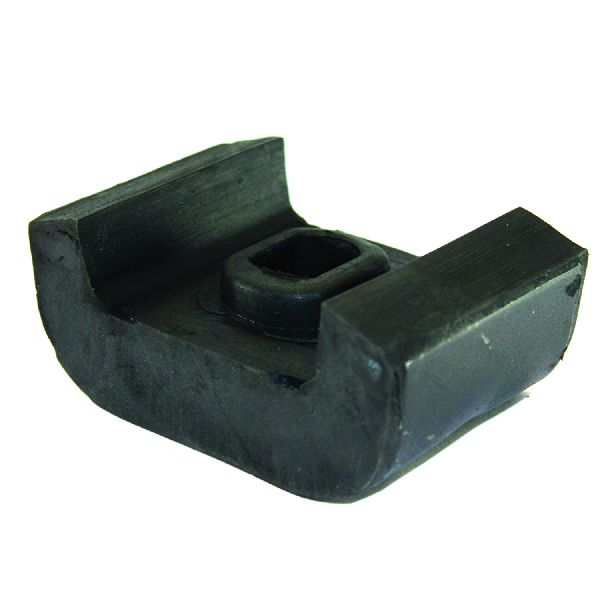
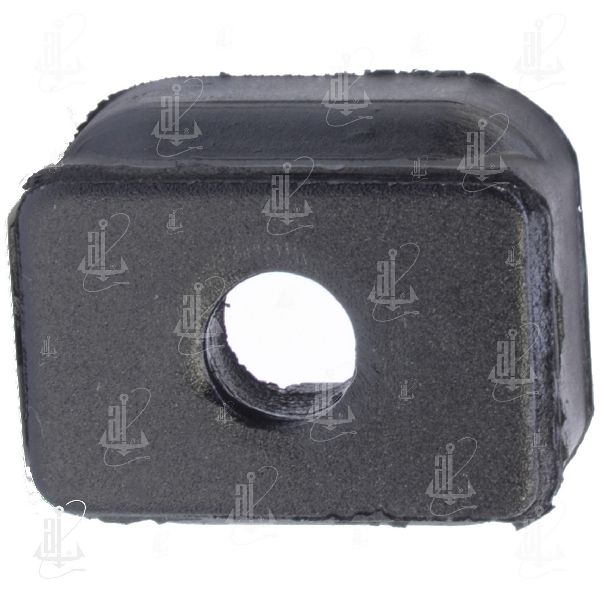
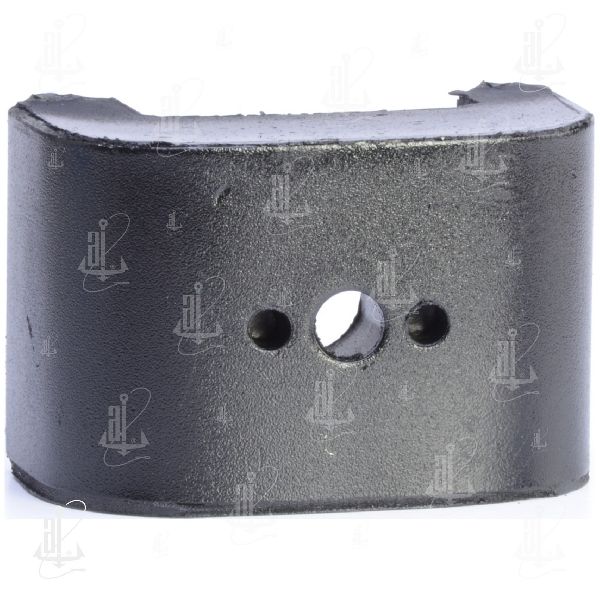
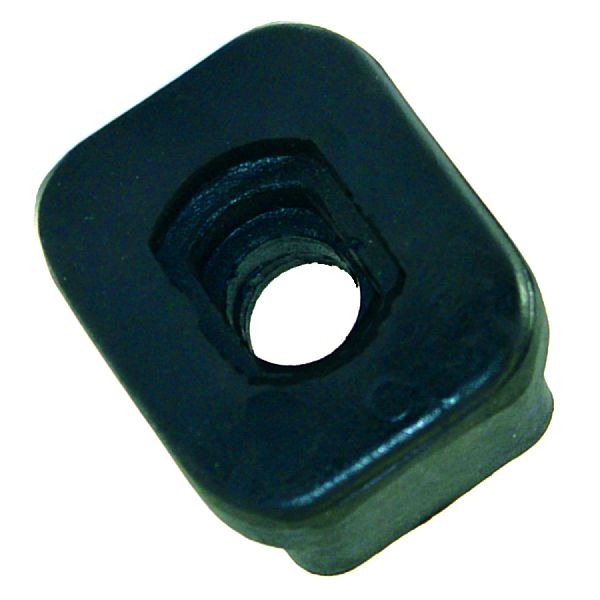
The mount consists of a solid rubber block vulcanized to two metal plates. One side bolts to the transmission tailhousing, and the other bolts to the frame crossmember.
We Have This Part in Stock

The information in this article is provided for general reference and educational purposes only. Vehicle specifications, procedures, and part compatibility can vary by production date, trim level, and region. Always consult your vehicle's factory service manual and verify part numbers before purchasing or performing repairs. Safety-critical components such as airbags, seat belts, and braking systems should be installed by a qualified professional.