

Chrysler 300 Universal Joint Guide for 1958-1964 Models
Keep your classic Chrysler 300 running smoothly by understanding when and how to replace your universal joints.
- Listen for squeaking at low speeds or clunking when shifting; these are early warnings of U-joint failure.
- A vibration that increases with speed is a serious symptom that requires immediate attention to avoid further damage.
- For a classic car, it is best practice to replace both front and rear U-joints at the same time.
- Measure your old U-joints before ordering replacements, as Chrysler used multiple sizes (7260 and 7290) during this period.
Understanding Universal Joint Failure in Your Classic Chrysler
For a vehicle from the 1958-1964 era, U-joint replacement was a fairly common maintenance item. Unlike modern vehicles with U-joints designed to last the life of the car, these classic components were subject to wear from rust, moisture, and simple stress over many decades. The original U-joints in your Chrysler 300 were likely the serviceable type, meaning they required periodic greasing. If this maintenance was neglected, the internal needle bearings would dry out, leading to metal-on-metal contact and eventual failure.
Symptoms of a Failing U-Joint
A bad U-joint will give you several warning signs. Ignoring them can lead to a dangerous situation where the driveshaft separates from the car.
- Squeaking Noises: A rhythmic squeaking or chirping sound at low speeds (5-10 mph) is often the first sign. This indicates the U-joint is dry and lacks lubrication.
- Clunking or Banging: A loud "clunk" when you shift from Park into Drive or Reverse points to excessive play in a worn U-joint.
- Vibrations: A vibration felt through the floor of the car that gets worse with speed is a serious symptom. This means the U-joint is worn enough to throw the driveshaft out of balance, which can cause damage to your transmission.
- Visible Rust or Play: If you look under the car, you might see rust-colored dust around the U-joint caps. You can also check for play by trying to move the driveshaft by hand (with the car securely in park on a level surface). Any movement or play in the U-joint itself is a sign it needs replacement.
Warning: Complete Failure is Dangerous
If a U-joint breaks completely while you are driving, the driveshaft can detach from the vehicle. This can cause you to lose control, damage other underbody components like the transmission and exhaust, and leave you stranded. At the first sign of U-joint trouble, it's important to get it inspected.
Choosing the Right Aftermarket U-Joint
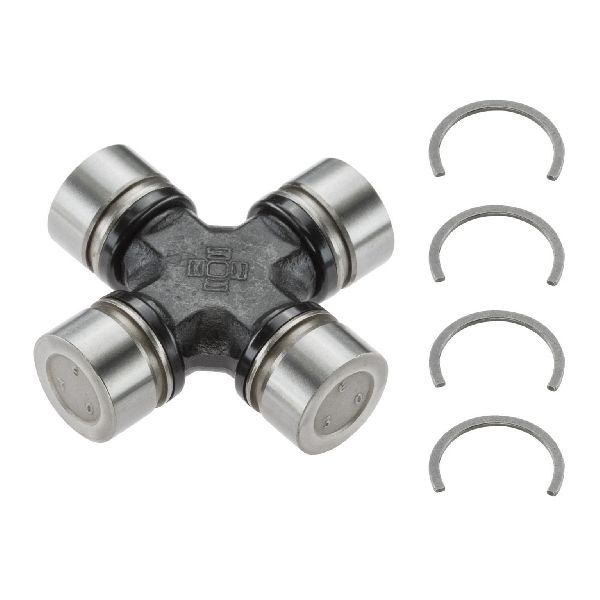
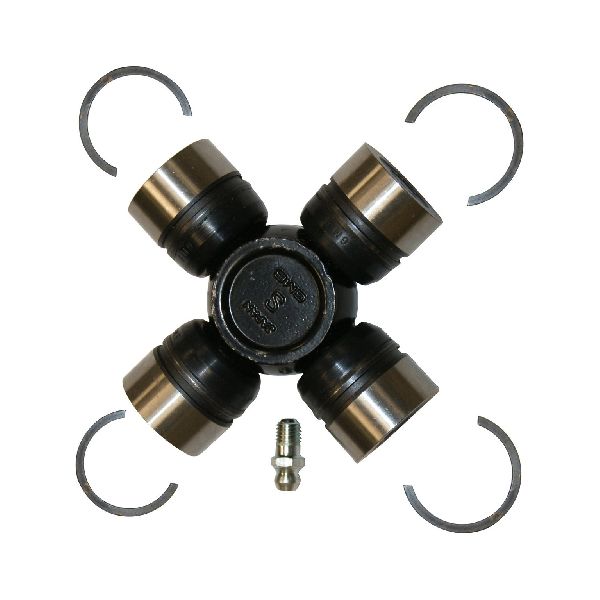
Original Equipment (OEM) parts for a 1958-1964 Chrysler are virtually non-existent. However, today's aftermarket U-joints are often made with better materials and technology than the originals. When shopping for a replacement, you'll choose between serviceable (greasable) and non-serviceable (sealed) joints. Non-serviceable joints are generally stronger and preferred by many installers because they are sealed from the elements and don't require regular maintenance. Greasable joints can last a long time, but only if you are diligent about greasing them regularly.
Aftermarket Brand Tiers
- Premium (Dana Spicer, SKF): Dana Spicer is a highly respected name and was often the original supplier for many classic cars. They are known for strength and durability, with their non-greasable joints being a top choice for longevity. SKF is another premium brand known for high-quality bearings and components.
- Professional Grade (Moog): Moog has a long-standing reputation as a quality aftermarket supplier. While some opinions vary on their recent quality, they are generally considered a reliable choice for daily drivers. They are well-known for suspension and driveline parts.
- Standard / Economy (GMB): GMB offers a more budget-friendly option. These parts can be a good choice for a car that is not driven frequently, but for a vehicle you rely on, investing in a premium or professional-grade part is often recommended for peace of mind.
Pro Tip: Replace in Pairs
Your Chrysler 300's driveshaft has two U-joints (front and rear). If one has failed, the other is likely the same age and condition. It is highly recommended to replace both at the same time to ensure a balanced, vibration-free driveline and to save on labor costs in the long run.
Common Ordering Mistakes
Mopar vehicles from this era, including the Chrysler 300, could be equipped with different U-joint sizes, commonly referred to as '7260' (smaller) or '7290' (larger). It is critical to measure your existing U-joint's cap diameter and overall width before ordering. Do not rely solely on a part catalog's recommendation without verifying. Using the wrong size will prevent installation.
Frequently Asked Questions
Are there any recalls or TSBs for my 1958-1964 Chrysler 300's U-joints?
No specific recalls or Technical Service Bulletins (TSBs) for universal joints on the 1958-1964 Chrysler 300 were found in NHTSA or manufacturer databases. Recalls from this era are rare, and TSBs were not as common as they are today. Any issues would be addressed as general wear and tear.
Should I choose a greasable or a sealed U-joint?
For most owners, a high-quality, non-greasable (sealed) U-joint from a brand like Dana Spicer is the best choice. They are stronger and require no maintenance. If you enjoy performing regular maintenance and want the ability to flush out old grease, a serviceable joint is acceptable, but you must be committed to greasing it at every oil change.
Can I replace a U-joint myself?
Yes, if you have some mechanical experience and the right tools. The process involves removing the driveshaft, then using a press or a large vise and sockets to press the old joint out and the new one in. It can be a difficult and messy job, especially if the old joint is rusted in place. Improper installation can damage the new joint's needle bearings.
What is a 'combination' U-joint?
A combination U-joint has two different-sized ends. It's used to connect a driveshaft and a differential that were not originally paired together, for example, during an engine or axle swap. You should not need a combination joint for a stock 1958-1964 Chrysler 300 unless the drivetrain has been modified.
Technical Specifications
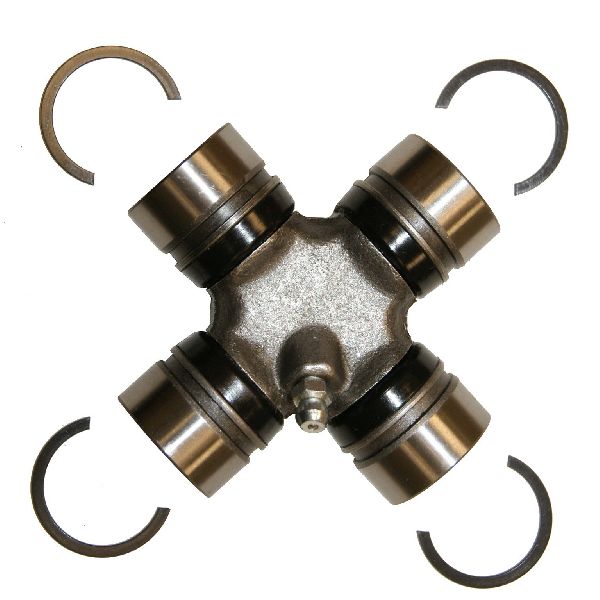
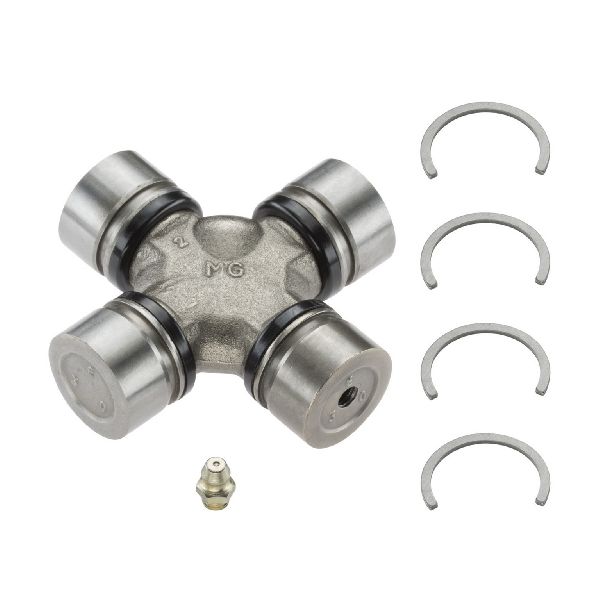
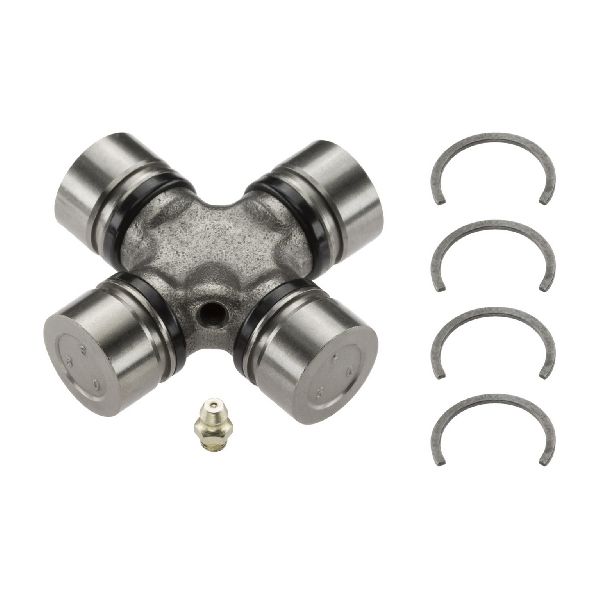
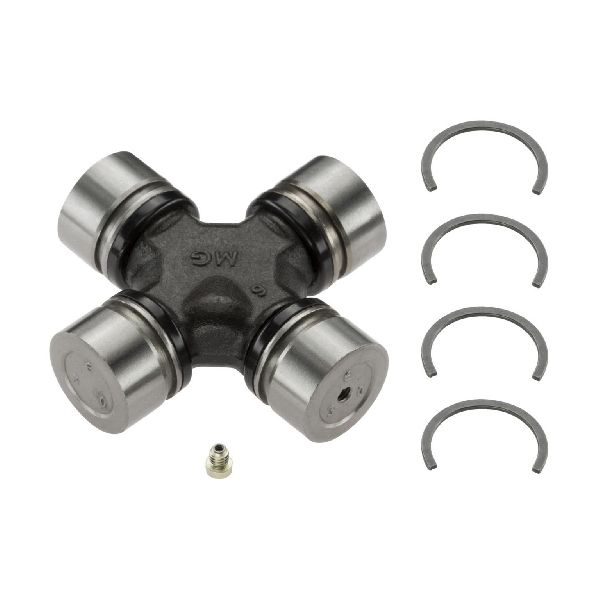
The 1958-1964 Chrysler 300 uses two universal joints on its rear driveshaft. Common Mopar sizes from this era are the '7260' and '7290' series, which have different dimensions. The '7260' has a smaller body, while the '7290' is larger and typically found on higher-performance models. Physical measurement of the original part is the only way to guarantee correct replacement.
We Have This Part in Stock

The information in this article is provided for general reference and educational purposes only. Vehicle specifications, procedures, and part compatibility can vary by production date, trim level, and region. Always consult your vehicle's factory service manual and verify part numbers before purchasing or performing repairs. Safety-critical components such as airbags, seat belts, and braking systems should be installed by a qualified professional.