

Chevrolet Biscayne Automatic Transmission Mount: A Complete Guide (1958-1964)
Stop the clunking and shaking in your classic Biscayne by choosing the right transmission mount.
- Symptoms of a bad mount include clunking noises when shifting, cabin vibrations, and a low-hanging exhaust.
- You must choose between a standard rubber mount for a smooth ride (Anchor, Westar) or a durable polyurethane mount for performance (Prothane), which will increase vibration.
- Original GM parts are not available; the market consists entirely of aftermarket replacements.
- It is highly recommended to inspect and likely replace the engine mounts at the same time as the transmission mount.
Is Your Biscayne's Transmission Mount Failing?
The original rubber mounts on these classic Chevrolets are long past their expiration date. Heat, age, and leaking fluids cause the rubber to crack, get mushy, or break completely. When this happens, the transmission is no longer held securely. Here are the common signs of a bad automatic transmission mount on a 1958-1964 Biscayne:
- Clunking or Thumping Noises: This is the most obvious symptom. You'll hear a loud clunk or bang from the center of the car when you accelerate, brake hard, or shift from Park into Drive or Reverse. This is the sound of the transmission lifting and hitting the car's frame.
- Excessive Vibrations: A worn mount can't absorb vibrations anymore. You will feel more shaking through the floor and seats, especially when the car is idling in gear.
- Low-Hanging Exhaust: On these cars, a collapsed rear transmission mount can cause the tail of the transmission to sag. This tilts the whole engine and transmission, making the exhaust pipe hang lower than it should, which can cause it to scrape on speed bumps or steep driveways.
- Visible Movement: If you can safely look under the car while a helper shifts the transmission from Drive to Reverse (with the parking brake on and their foot firmly on the brake), you may see the back of the transmission physically lifting or rocking.
Choosing the Right Aftermarket Mount
Since new original GM parts for this era are no longer made, your only option is an aftermarket part. The good news is you have choices that range from factory-style replacements to performance upgrades. Your decision comes down to choosing between standard rubber or performance polyurethane.
Aftermarket Brand Tiers
| Tier | Brands | Material | Best For | Honest Assessment |
|---|---|---|---|---|
| Standard Replacement | Anchor, DEA, Westar, Pioneer Cable | Rubber | Stock restorations, daily drivers, and owners wanting a smooth, original-style ride. | These are affordable and designed to mimic the original part's feel. They provide the best vibration absorption for a comfortable ride. However, some users report that the quality of budget rubber mounts can be inconsistent, and they may not last as long as the originals. |
| Performance Upgrade | Prothane | Polyurethane | Modified cars, V8 engines, spirited driving, and owners who want maximum durability. | Polyurethane is a tough plastic that is much stronger and longer-lasting than rubber. It's resistant to oil and fluids that destroy rubber mounts. The trade-off is a noticeable increase in vibration and noise inside the cabin, as it's much stiffer. Many performance mounts also feature a safety interlock design, which is a good safety upgrade. |
Pro Tip: A Note on Historical Recalls
While there were no specific recalls for the transmission mount on the 1958-1964 Biscayne, GM did issue a massive recall for defective engine mounts on millions of 1965-1970 cars. The old design could fail and allow the engine to lift dramatically, sometimes causing the throttle to stick open. Many modern aftermarket mounts, especially polyurethane ones, have a safer interlocking metal design that prevents this kind of complete separation. When replacing your transmission mount, it's a good idea to inspect your engine mounts as well.
Frequently Asked Questions (FAQ)
Can I replace a transmission mount myself?
Yes, this is a DIY-feasible job for someone with basic tools and safety equipment. The process involves safely supporting the vehicle on jack stands, placing a floor jack under the transmission pan (with a block of wood to spread the load), unbolting the old mount from the crossmember and transmission, raising the transmission slightly, swapping the mount, and bolting everything back together. It is generally easier on a rear-wheel-drive car like the Biscayne than on a modern front-wheel-drive vehicle.
Should I choose a rubber or polyurethane mount?
Choose rubber if you want your car to ride smoothly and quietly like it did from the factory. Brands like Anchor and Westar are cost-effective choices for this. Choose polyurethane (like Prothane) if you have a more powerful engine, drive your car hard, or want a part that will last much longer and don't mind feeling more vibration in the car.
Do I need a special mount for a V8 vs. a 6-cylinder?
While the transmission mount itself is often the same, the engine mounts are different between 6-cylinder and V8 models. Because the transmission mount works as part of the whole system, it's critical to ensure you are ordering the part listed for your specific car. Always verify fitment for your year and engine before ordering.
Should I replace my engine mounts at the same time?
It is highly recommended. The engine and transmission mounts all work together to hold the drivetrain in place. If the transmission mount has failed from age, the engine mounts are likely in similar condition. Replacing them all at once ensures proper drivetrain alignment and prevents the new mount from failing prematurely due to stress from worn engine mounts.
Technical Specifications
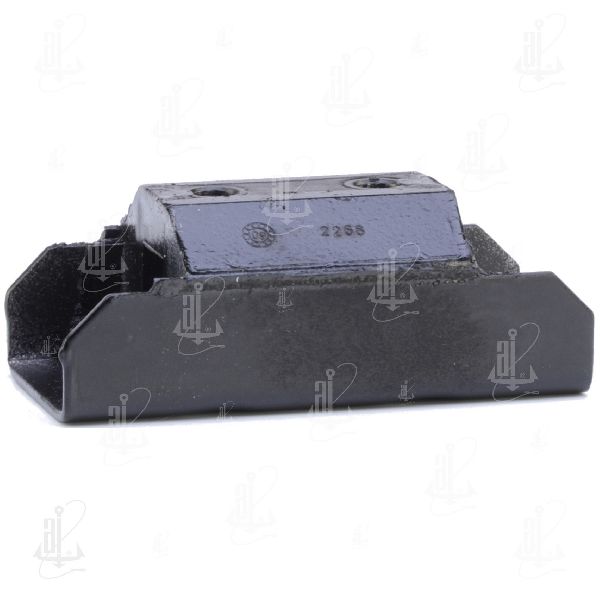
OEM Part Numbers: 2268 A2378 EM-2378 622378
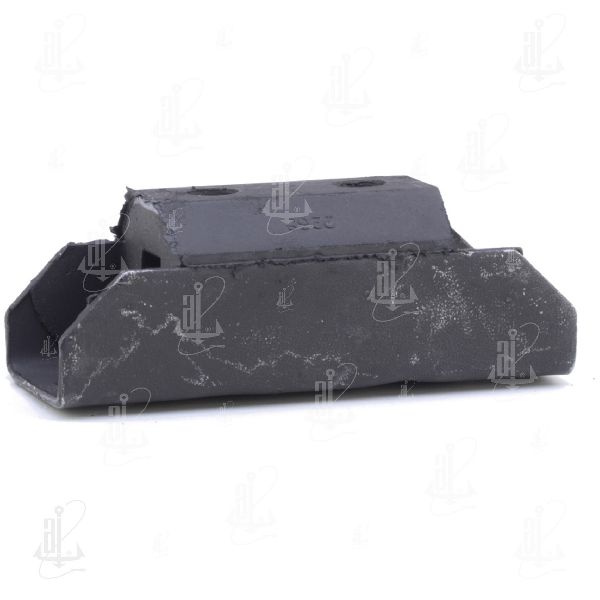
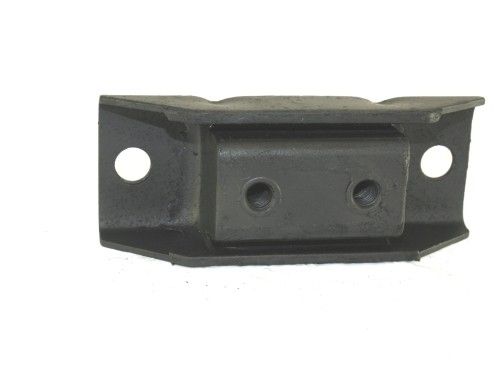
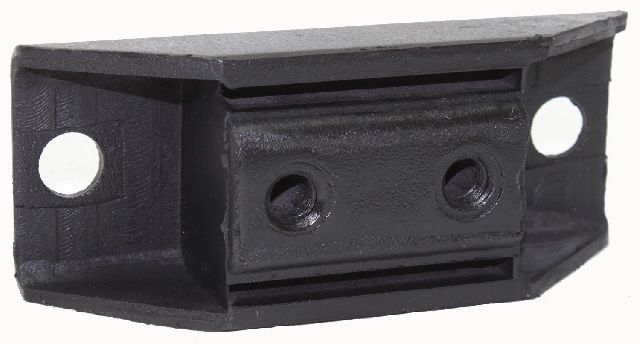
The mount consists of a natural rubber or polyurethane block bonded to steel mounting plates. The common design for this rear-wheel-drive application features a single stud on the bottom and two bolt holes on the top bracket.
We Have This Part in Stock


The information in this article is provided for general reference and educational purposes only. Vehicle specifications, procedures, and part compatibility can vary by production date, trim level, and region. Always consult your vehicle's factory service manual and verify part numbers before purchasing or performing repairs. Safety-critical components such as airbags, seat belts, and braking systems should be installed by a qualified professional.