

Radiator Coolant Hose Guide for the 1958-1963 Checker A9
Keep your classic Checker's engine cool and reliable by understanding when and how to replace your radiator hoses.
- New OEM hoses are not available; modern aftermarket hoses from brands like Dayco and Gates are the only safe and reliable option.
- Inspect hoses regularly for cracks, bulges, or soft spots to prevent a sudden failure and engine overheating.
- Always choose a 'molded' hose over a 'flexible' one for a guaranteed fit on your Checker A9.
- Replace hoses every 4-5 years as preventative maintenance, and always install new hose clamps at the same time.
Is Your Checker's Radiator Hose Failing?
On a classic car like the 1958-1963 Checker A9, rubber parts are often the first to fail simply due to age. Decades of heat, pressure, and exposure to fluids cause radiator hoses to degrade, often from the inside out. A sudden hose failure can cause the engine to overheat rapidly, risking severe damage like a warped cylinder head or cracked block.
Regular inspection is the key to prevention. When the engine is completely cool, squeeze the upper and lower radiator hoses. They should feel firm yet flexible. If a hose feels mushy, spongy, rock-hard, or makes a crunching sound, it needs to be replaced immediately, even if it's not leaking.
Choosing the Right Aftermarket Hose
For a vintage vehicle like the Checker A9, finding new original equipment (OEM) radiator hoses is nearly impossible. Even if you find a "New Old Stock" (NOS) part, the rubber would likely be too old and brittle to be reliable. For this reason, high-quality aftermarket hoses are the standard and safest choice. Modern hoses are typically made from EPDM rubber, which is more resistant to heat, chemicals, and degradation than the original materials.
Pro Tip: Molded vs. Flexible Hoses
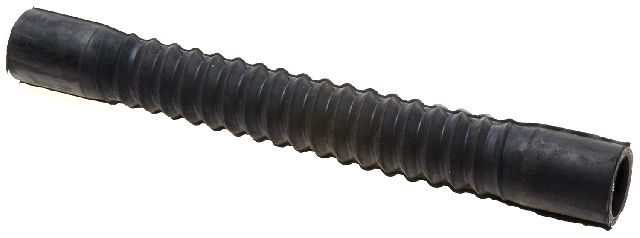
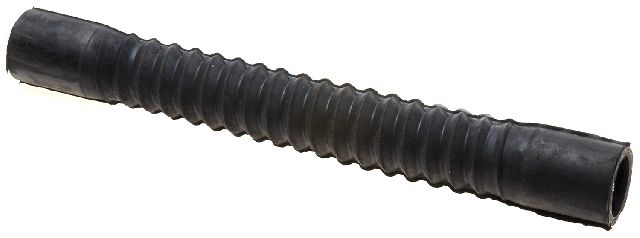
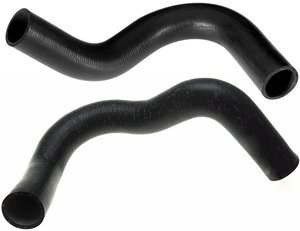
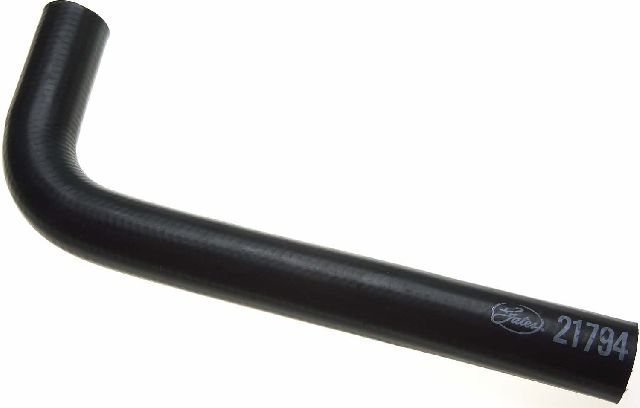
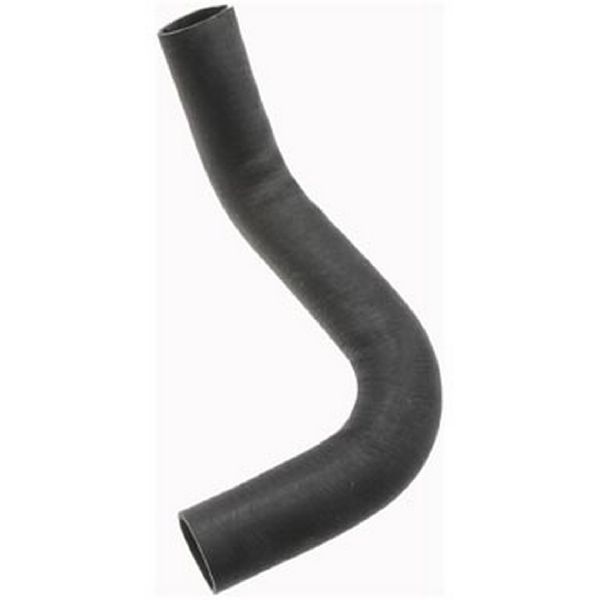
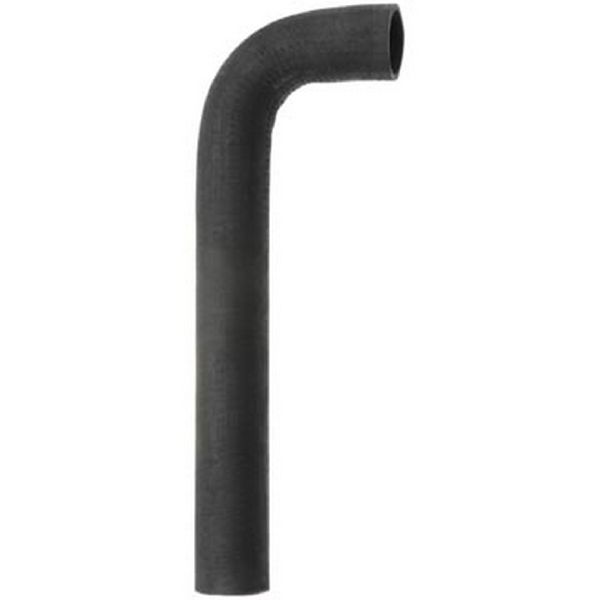
Whenever possible, choose a "molded" hose. These are pre-shaped to the exact bends and curves needed for your Checker A9's engine bay. This ensures a perfect fit, prevents kinks that can block coolant flow, and makes installation easier. Universal or "flexible" hoses can work in a pinch but may require careful cutting and routing to avoid problems.
Brand Quality: Dayco vs. Gates
Dayco and Gates are two of the most common and reliable aftermarket brands you will find for your Checker. Both are considered quality choices for classic cars. Some mechanics and classic car owners have noted that Gates hoses can sometimes be thicker and offer a fit that is very close to the original part. Others have had good experiences with the fit and quality of Dayco. The most critical factor for an aftermarket hose is proper fitment, so comparing the shape of the new hose to your old one is a good practice. Both brands produce hoses with modern materials that will likely outlast the original parts.
Estimated Costs
| Part Type | Estimated Cost |
|---|---|
| New Aftermarket Hoses (Dayco, Gates) | $21.87 - $27.92 |
| New OEM Hoses | Not Available |
| Shop Labor for Replacement | $100 - $200 |
Known Issues, Recalls, or TSBs
Our search of NHTSA databases and automotive forums found no specific recalls, Technical Service Bulletins (TSBs), or common widespread issues reported for the radiator coolant hoses on the 1958-1963 Checker A9. Any failures are typically due to the normal aging and wear of the rubber components over many decades.
Frequently Asked Questions (FAQ)
How often should I replace my Checker's radiator hoses?
For a classic car, time is more important than mileage. As a preventative measure, it's a good idea to replace all coolant hoses every 4 to 5 years, regardless of how they look. Rubber degrades over time, and a sudden failure can be catastrophic.
Should I replace the hose clamps too?
Yes, it is highly recommended. Old hose clamps can lose their tension, rust, or dig into the new hose, causing leaks. Using new clamps is a small price to pay for ensuring a leak-free seal.
What's the spring inside the lower radiator hose for?
The lower radiator hose is on the suction side of the water pump. The internal spring prevents the hose from collapsing on itself under suction, which would block coolant flow and cause the engine to overheat. If you buy a new lower hose, make sure it has this spring or transfer the old one if it's in good condition.
Can I replace the radiator hoses myself?
Yes, for a mechanically inclined owner, this is a very doable DIY job. The basic steps involve draining the cooling system (on a cool engine), removing the old clamps and hoses, fitting the new parts, and then refilling and bleeding the system of air. Always work on a cold engine to avoid severe burns from hot coolant.
Technical Specifications
Hoses are typically made from EPDM rubber to resist heat, ozone, and chemical degradation. Temperature ratings generally range from -40°F to +257°F. The lower hose should contain an internal spring to prevent collapse.
We Have This Part in Stock

The information in this article is provided for general reference and educational purposes only. Vehicle specifications, procedures, and part compatibility can vary by production date, trim level, and region. Always consult your vehicle's factory service manual and verify part numbers before purchasing or performing repairs. Safety-critical components such as airbags, seat belts, and braking systems should be installed by a qualified professional.