

A/C Compressor Replacement Guide for 1958-1962 Ford F-250
Understanding the heart of your classic truck's aftermarket A/C system.
- Factory A/C is virtually non-existent on 1958-1962 F-250s; you are almost certainly working on an aftermarket system.
- Identify your existing compressor style (e.g., Sanden 508) and pulley type before ordering a replacement.
- Always replace the receiver/drier and expansion valve/orifice tube when installing a new compressor to prevent damage and ensure warranty coverage.
- Professional installation is strongly recommended due to the need for specialized tools and refrigerant handling.
Understanding A/C Systems in a Classic Ford Truck
It is important for owners of 1958-1962 F-250s to know that factory air conditioning was not a common option for these trucks. If your truck has A/C, it was almost certainly added later using an aftermarket kit from brands like Vintage Air, Classic Auto Air, or others. This means that when replacing parts like the A/C compressor, you are dealing with aftermarket components, not original Ford parts. The concept of a direct-fit "OEM" part does not apply; instead, compatibility depends on the specific aftermarket system installed in your truck.
Choosing the Right Aftermarket Compressor
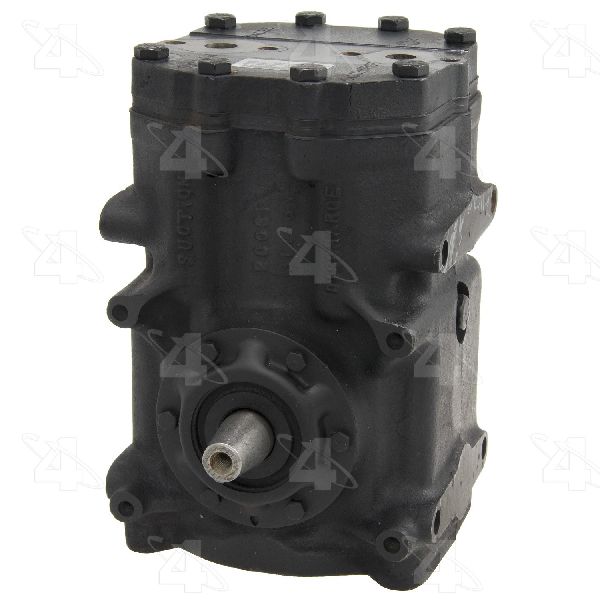
Since you are working with an aftermarket system, identifying the existing compressor is the first step. Many classic truck A/C kits use standardized compressors, like the popular Sanden 508 style. These are known for their reliability and compact design. The Four Seasons brand offers new replacement compressors that are often designed to fit these common aftermarket applications. While some forum discussions show mixed reviews on remanufactured units, new Four Seasons compressors are generally considered a reliable and cost-effective choice for getting an aftermarket system running again.
🎬 Learn how to troubleshoot and diagnose your Vintage Air system.Pro Tip: Identify Your Compressor
Before ordering, look for any names or numbers on your current compressor. It is often a Sanden-style unit, which is one of the most popular compressors for aftermarket systems. Matching the style (e.g., Sanden 508 or 510) and pulley type (V-belt or serpentine) is crucial for a proper fit.
Cost for a New A/C Compressor (1958-1962 Ford F-250)
| Part Category | Estimated Cost Range |
|---|---|
| New Aftermarket Compressor | $217.29 |
| Shop Labor | $250 - $500 |
| Total Professional Replacement | $467 - $717 |
Note: Costs are estimates and can vary based on your location and the specific requirements of your aftermarket A/C system. Professional installation is highly recommended.
Important: Replace Other Components for Warranty and Longevity
When an A/C compressor fails, it can send metal debris throughout the entire system. To prevent immediate failure of your new compressor, it is mandatory to also replace the receiver/drier (or accumulator) and the orifice tube (or expansion valve). The entire system must also be professionally flushed to remove old oil and contaminants. Failing to do so will likely void the warranty on the new part.
Frequently Asked Questions
Did my 1959 F-250 come with factory A/C?
It is extremely unlikely. Air conditioning was not a common factory option for trucks in this era. The system in your truck is almost certainly an aftermarket kit installed by a previous owner.
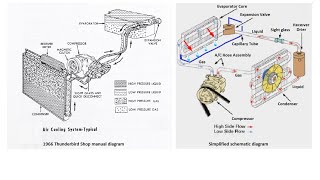
🎬 Watch how 1960s era Ford A/C systems operate and are repaired.Is this a direct replacement for my original compressor?
It is a replacement for a compressor in an aftermarket system. Since there was no common "original" A/C compressor, you must match the new part to the specific aftermarket unit currently in your truck. Many kits use common styles like the Sanden 508, making replacements available.
What else must I replace with the compressor?
You must replace the receiver/drier and the orifice tube/expansion valve. You also need to have a professional flush the entire A/C system to remove contaminants and old oil. This is critical for the new compressor's performance and longevity.
Can I install a new A/C compressor myself?
This job is not recommended for most DIY mechanics. It requires specialized tools, including a vacuum pump and manifold gauges, to properly evacuate and recharge the system with refrigerant. Handling refrigerants is also regulated by law.
Helpful Videos
Technical Specifications
OEM Part Numbers: N/A
Compressor Style: Sanden 508 Style; Refrigerant Compatibility: R12 or R134a; Clutch Type: V-Belt or Serpentine (must match existing system); Piston Count: Typically 5 or 7 piston designs.
We Have This Part in Stock

The information in this article is provided for general reference and educational purposes only. Vehicle specifications, procedures, and part compatibility can vary by production date, trim level, and region. Always consult your vehicle's factory service manual and verify part numbers before purchasing or performing repairs. Safety-critical components such as airbags, seat belts, and braking systems should be installed by a qualified professional.