

Accessory Drive Belt Guide for the 1958 Studebaker 3E7D Truck
Keep your classic Studebaker truck's engine cooling and battery charging with the right new accessory drive belt.
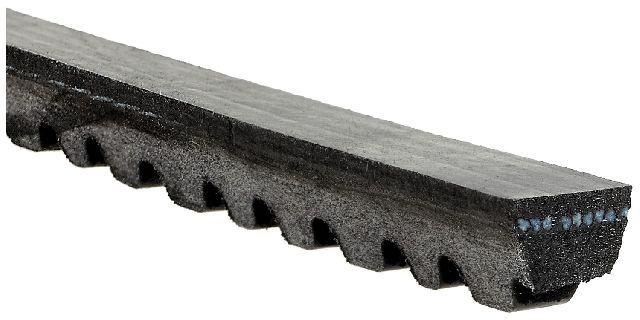
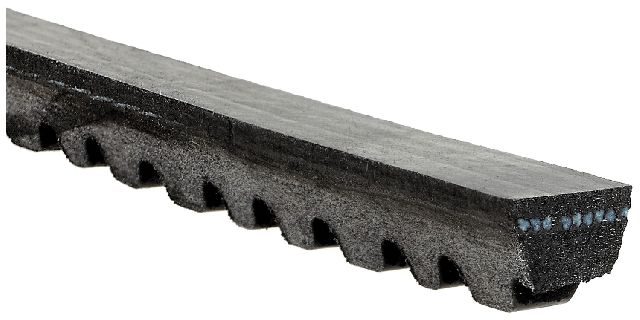
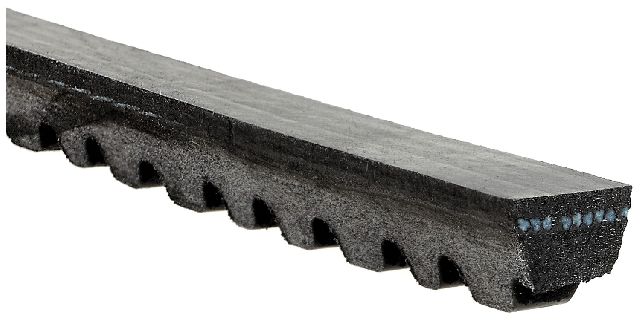
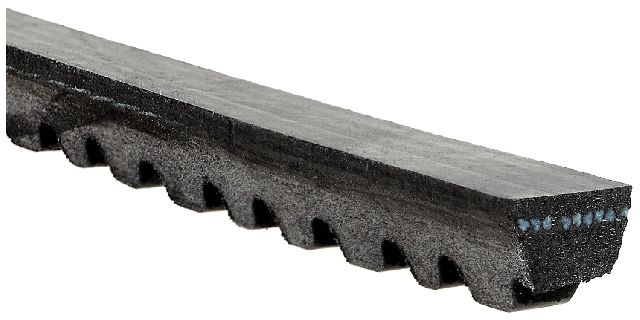
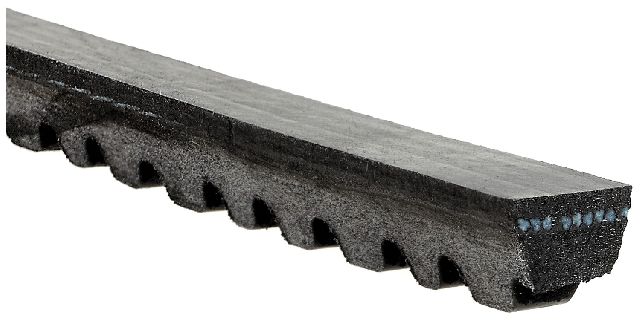
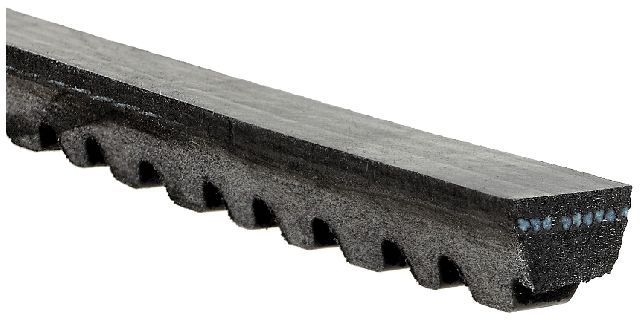
- Your 1958 Studebaker 3E7D uses a V-belt, not a modern serpentine belt, to run the generator and water pump.
- A broken belt will cause the engine to overheat and stop charging the battery; you should pull over immediately.
- Modern aftermarket brands like Gates and Continental are high-quality replacements; getting the correct size is the most critical step.
- Inspect the belt annually for cracks and wear, and plan to replace it every 3-4 years as preventative maintenance.
Understanding the Accessory Drive Belt on Your '58 Studebaker
The accessory drive belt, often called a fan belt or V-belt on a classic truck like the 1958 Studebaker 3E7D, is a simple but essential wear item. These trucks were built with either a flathead six-cylinder or an optional V8 engine, but both rely on a V-belt to operate key components. A single belt failure can leave you stranded by causing the engine to quickly overheat or the battery to lose its charge. Regular inspection is key to the reliability of your vintage Studebaker.
Signs of a Failing Drive Belt
On a vintage vehicle, the signs of a failing belt are usually easy to spot before it breaks completely. Being proactive can prevent a breakdown.
- Squealing Noises: A high-pitched squeal when you start the engine or accelerate is a classic sign of a loose or worn-out belt slipping on its pulleys.
- Visible Damage: Regularly inspect the belt for cracks, fraying, missing pieces, or a shiny, glazed surface. Any of these signs mean the belt's rubber has degraded and it's time for a replacement.
- Engine Overheating: If you see the temperature gauge climbing, the belt may be slipping and not turning the water pump effectively. A broken belt will cause the engine to overheat very quickly.
- Battery Not Charging: A slipping or broken belt will fail to turn the generator, leading to a dead battery. You might notice dimming headlights or the ammeter showing a discharge.
Critical Failure Warning
If your accessory drive belt breaks, pull over immediately and shut off the engine. Continuing to drive will cause the engine to overheat, which can lead to severe and expensive damage.
Choosing the Right Aftermarket Belt: Gates vs. Continental
Original Studebaker belts are no longer made, but modern aftermarket V-belts offer superior materials and durability. For your 1958 3E7D, both Gates and Continental are excellent, reputable brands that are widely available.
- Gates: A well-respected brand with a long history of making quality belts. Many mechanics and classic car owners trust Gates for their reliability.
- Continental (ContiTech): Often an original equipment supplier for many European cars, Continental also produces high-quality V-belts that are a great choice for vintage American vehicles.
Pro-Tip: For a classic vehicle like this, the specific brand is less important than getting the correct size and ensuring proper tension. Both Gates and Continental will perform well. The most common mistake is ordering the wrong length, especially since different engine and accessory combinations were available. If possible, measure your old belt before ordering.
Accessory Drive Belt Replacement Cost for 1958 Studebaker 3E7D
Replacing the drive belt is one of the more affordable maintenance jobs for your truck. The main cost is the part itself, as labor is minimal for a DIYer or a professional mechanic.
| Part Type | Estimated Cost |
|---|---|
| New Aftermarket Belt (Gates, Continental) | $7.35 - $33.48 |
| Shop Labor | $50 - $100 |
Frequently Asked Questions (FAQ)
How often should I replace the belt on my Studebaker?
For a classic vehicle, it's wise to inspect the belt annually. As a preventative measure, replacing it every 3-4 years is a good practice, even if it looks okay, as the rubber can degrade over time.
Is this a serpentine belt?
No. Your 1958 Studebaker uses a V-belt, which has a V-shaped cross-section. Serpentine belts are flat, ribbed belts found on more modern vehicles.
How do I get the right tension on the new belt?
Proper tension is crucial. Too tight, and you can damage the bearings in the generator or water pump. Too loose, and the belt will slip and squeal. A general rule is that at the longest span between pulleys, you should be able to twist the belt about 90 degrees (a quarter turn) with your fingers.
Are there any recalls or bulletins for the drive belt?
No. There are no active recalls or technical service bulletins from the NHTSA for a 1958 Studebaker, as these systems were not in place for vehicles of this era.
What's the hardest part of the replacement?
For a DIYer, the job is straightforward. The main challenge is ensuring you have the correct length belt. After that, it's simply a matter of loosening the generator to release tension, swapping the belt, and re-tensioning the system.
Technical Specifications
V-Belt (multiple lengths available depending on engine and accessories)
We Have This Part in Stock

The information in this article is provided for general reference and educational purposes only. Vehicle specifications, procedures, and part compatibility can vary by production date, trim level, and region. Always consult your vehicle's factory service manual and verify part numbers before purchasing or performing repairs. Safety-critical components such as airbags, seat belts, and braking systems should be installed by a qualified professional.