

1958 Studebaker 3E14 Starter Solenoid: A Comprehensive Guide
Having trouble starting your classic Studebaker 3E14? Your starter solenoid might be the culprit.
- A clicking sound without the engine cranking is the most common symptom of a failing starter solenoid.
- For a 1958 Studebaker 3E14, a new aftermarket solenoid from a brand like Standard Ignition is the most practical and reliable choice.
- Before replacing the solenoid, always check that your battery is charged and that all cable connections are clean and tight, as this can cause similar symptoms.
- Replacement is a simple DIY task for most owners, typically taking less than an hour with basic tools.
Is Your Studebaker 3E14's Starter Solenoid Failing?
For a classic truck like the 1958 Studebaker 3E14, starting problems can often be traced back to the starter solenoid. Due to its age and function, this part is subject to wear from heat and high electrical loads. Recognizing the signs of a failing solenoid can save you from being stranded.
Common Failure Symptoms
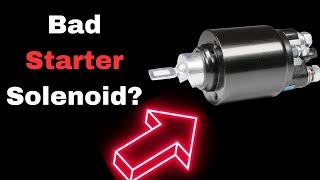
🎬 Watch this guide on signs your starter solenoid needs replacement.- Loud Clicking Sound: You turn the key and hear a single, loud click, but the engine doesn't crank. This often means the solenoid is engaging but failing to send enough power to the starter.
- No Sound at All: If there's no click and no crank, the solenoid may have failed completely, assuming your battery is fully charged.
- Intermittent Starting: The truck starts perfectly one day but won't start the next. This inconsistency is a classic sign of a worn-out solenoid with failing internal contacts.
- Slow, Labored Cranking: If the engine turns over much slower than usual, the solenoid's contacts may be corroded or pitted, preventing full electrical current from reaching the starter.
Check the Basics First
Before replacing the solenoid, ensure your battery is fully charged and the terminals are clean and tight. On a 6-volt system like many classic Studebakers, poor connections and undersized battery cables can mimic solenoid failure. Make sure all ground connections are solid and free of corrosion.
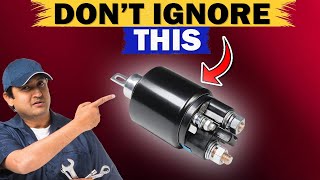
🎬 Learn how to test a starter solenoid before buying parts.Choosing a New Aftermarket Solenoid
For a 1958 Studebaker 3E14, finding a New Old Stock (NOS) OEM part is nearly impossible and often not practical. Aftermarket parts are the go-to solution for keeping these classic trucks on the road. Brands like Standard Ignition (Standard Motor Products) produce reliable replacement solenoids that meet or exceed original specifications. Given the simplicity and availability, a new aftermarket solenoid is the most logical and cost-effective choice.
| Part Type | Estimated Cost | Notes |
|---|---|---|
| New OEM | Not available | Original parts are no longer manufactured. |
| New Aftermarket | $49.14 | Readily available from brands like Standard Ignition. This is the recommended option. |
| Used OEM | Varies | Availability is scarce and reliability is not guaranteed. |
| Shop Labor | $100 - $200 | Typically a 1-hour job. |
Installation Tip
Replacing the starter solenoid on a 3E14 is a straightforward task. Always disconnect the negative battery cable before beginning any work to prevent electrical shorts. Pay close attention to the wiring configuration on the old solenoid before removing it; taking a photo can be very helpful. Ensure the new solenoid has a clean, solid mounting point, as it often grounds through its bracket.
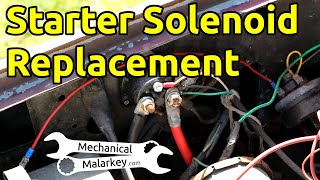
🎬 See a step-by-step demonstration of how to replace a solenoid.Frequently Asked Questions (FAQ)
Can I drive my Studebaker 3E14 with a bad starter solenoid?
No. If the solenoid is completely dead, your truck will not start, leaving you stranded. If it is failing intermittently, you risk it failing to start at any time.
Is it hard to replace a starter solenoid on a 1958 truck?
No, this is generally considered an easy DIY job for someone with basic mechanical skills and tools. The solenoid is typically mounted on the inner fender wall or directly on the starter and is easy to access.
Do I need a special solenoid for my truck's 6-volt system?
It is crucial to use a solenoid rated for your vehicle's specific voltage. While many trucks of this era were 12-volt, some Studebakers used 6-volt systems. Ensure the part you order matches your truck's electrical system. Using a 12-volt solenoid on a 6-volt system (or vice-versa) will lead to performance issues or premature failure.
Are there any recalls for the 1958 Studebaker 3E14 starter solenoid?
No, there are no active recalls or Technical Service Bulletins (TSBs) from the NHTSA related to the starter solenoid for this specific vehicle. This is expected for a vehicle of this age.
Helpful Videos
Technical Specifications
Varies by vehicle's electrical system (6-volt or 12-volt). Typically a 4-terminal, externally mounted relay. Aftermarket parts like Standard Ignition SS304 are designed as a direct replacement.
We Have This Part in Stock


The information in this article is provided for general reference and educational purposes only. Vehicle specifications, procedures, and part compatibility can vary by production date, trim level, and region. Always consult your vehicle's factory service manual and verify part numbers before purchasing or performing repairs. Safety-critical components such as airbags, seat belts, and braking systems should be installed by a qualified professional.