

Voltage Regulator Guide for the 1957-1968 Mercury Commuter
Keep your classic Mercury's electrical system reliable by understanding its voltage regulator.
- A failing voltage regulator causes varied electrical issues like dimming lights, battery problems, and poor engine performance.
- Many issues are caused by a bad ground; always check that the regulator has a clean metal-to-metal connection before replacement.
- Modern solid-state aftermarket regulators (like those from Standard Ignition) are more reliable than original mechanical-style parts and are a recommended upgrade.
- Replacement is a simple DIY job that takes less than an hour with basic hand tools.
Understanding Your Commuter's Charging System
The 1957-1968 Mercury Commuter uses an external voltage regulator, a technology common for its time. This device manages the power your car's generator or alternator produces, ensuring it doesn't send too much or too little electricity to the battery and other components. Original regulators were mechanical, using contact points and coils to manage voltage. While functional, these mechanical parts can wear out, lose adjustment, or become unreliable over time. Many modern replacements, even those that look original, use solid-state electronic internals for improved reliability and more precise voltage control.
Symptoms of a Failing Voltage Regulator
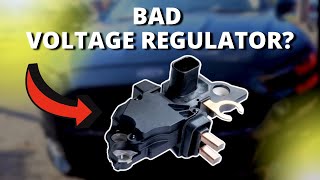
A bad voltage regulator can cause a range of confusing electrical problems. 🎬 Watch this video to identify common voltage regulator failure signs. Because it can fail by either allowing too much voltage (overcharging) or too little (undercharging), the symptoms can vary.
- Dimming or Flickering Lights: Headlights and dash lights may dim, flicker, or pulse. They might get brighter as you accelerate.
- Battery Problems: A failing regulator can cause a dead battery that won't start the car because it's not being charged. Conversely, it can overcharge a battery, causing it to fail prematurely. If voltage goes over 15 volts, it can damage the battery.
- Engine Performance Issues: You might experience sputtering, stalling, or uneven acceleration because the ignition system isn't getting a stable voltage.
- Instrument Cluster Failure: The gauges on your dashboard might stop working correctly or at all.
- Warning Lights: The battery or generator warning light on your dash may illuminate.
A Note on Grounding
Many voltage regulator problems are caused by a poor ground connection. Before replacing the part, ensure the regulator's mounting area is clean, bare metal and that the mounting bolts are tight. A bad ground can mimic the symptoms of a failed regulator.
Choosing a New Aftermarket Voltage Regulator
For your classic Commuter, you have a choice between different types of aftermarket regulators. Original New Old Stock (NOS) parts are rare and not always reliable after decades in storage. Used original parts are an option, but their remaining lifespan is unknown.
Brand Tiers:
- Standard Ignition: A well-regarded aftermarket brand that offers both mechanical-style and solid-state electronic regulators. Many owners of classic cars prefer their solid-state versions, which are often housed in a case that looks original but provides modern reliability with no moving parts to wear out.
- Replacement: This category typically includes lower-cost, generic parts. While they may function correctly, some classic car owners report that quality can be inconsistent. Given the wide price range, the lower end likely represents a basic mechanical replacement, while the higher end may be a quality solid-state unit.
Pro Tip: Go Solid-State
For a vehicle that is driven regularly, a solid-state electronic voltage regulator is a worthwhile upgrade. It provides more stable voltage, is more durable, and requires no adjustments, unlike the original mechanical units. Many are designed to be a direct plug-and-play replacement that maintains the classic under-hood look.
Aftermarket Voltage Regulator Cost for 1957-1968 Mercury Commuter
| Part Type | Price Range |
|---|---|
| New Aftermarket (Mechanical or Solid-State) | $39.14 - $164.73 |
| Shop Labor | $50 - $100 |
Frequently Asked Questions
Where is the voltage regulator located on my Mercury Commuter?
On most classic Ford and Mercury vehicles from this era, the external voltage regulator is mounted in the engine bay, typically on the radiator core support or the firewall. It is a small, rectangular box with a wiring connector.
Can I replace the voltage regulator myself?
Yes, this is a very straightforward job for a DIY mechanic. It typically involves disconnecting the battery, unplugging the wiring connector, and removing a few mounting bolts. The entire process usually takes less than an hour.
Is a solid-state regulator better than a mechanical one?
For reliability and performance, yes. Solid-state regulators use modern electronics instead of mechanical points, making them more durable and precise. Mechanical regulators can become unreliable with age and may require adjustment.
🎬 See how mechanical voltage regulators are adjusted for proper output.Do I need to make any modifications to use a solid-state regulator?
No. Most aftermarket solid-state regulators for this application are designed as direct replacements. They use the same mounting holes and wiring connector as the original part, preserving the stock appearance.
Helpful Videos

Technical Specifications
System Voltage: 12 Volt, External Mount, Mechanical or Solid-State options available.
We Have This Part in Stock


The information in this article is provided for general reference and educational purposes only. Vehicle specifications, procedures, and part compatibility can vary by production date, trim level, and region. Always consult your vehicle's factory service manual and verify part numbers before purchasing or performing repairs. Safety-critical components such as airbags, seat belts, and braking systems should be installed by a qualified professional.