

Engine Coolant Bypass Hose Guide for the 1957-1968 Mercury Commuter
Keep your classic Commuter's V8 engine running cool and prevent overheating with the right bypass hose.
- The bypass hose is essential for even engine warm-up in your Commuter's V8, preventing damaging hot spots.
- Symptoms of failure include coolant leaks, a sweet antifreeze smell, and potential engine overheating; these should be addressed immediately.
- For a classic car, a new aftermarket hose from a quality brand like Gates is superior to an aged original or NOS part due to modern, more durable materials.
- Always use a molded hose designed for your specific engine to ensure proper fit and prevent kinking.
Is Your Engine At Risk? Symptoms of a Failing Bypass Hose
A failed coolant bypass hose can quickly lead to serious engine trouble. On a classic car like the Commuter, which lacks many modern warning systems, you need to rely on what you can see, smell, and hear. Look out for these signs of a bad hose:
- Visible Coolant Leaks: This is the most obvious sign. You might see puddles of green or yellow fluid under your vehicle. A small leak might appear as steam or a faint, sweet smell of coolant after a drive.
- Engine Overheating: If the bypass hose fails and leaks a significant amount of coolant, your engine's temperature will rise quickly. Running a classic V8 while it is overheating can cause permanent damage.
- Low Coolant Levels: If you find yourself constantly needing to add coolant, you likely have a leak somewhere in the system. A cracked or old bypass hose is a common culprit.
- Damaged Hose: Pop the hood and inspect the hose. On a vintage car, rubber parts are prone to wear. Look for cracks, swelling, or a spongy, soft feeling when you squeeze it. A hose that feels rock-hard can also be a sign that it's old and brittle.
Choosing the Right Aftermarket Hose: OEM vs. Aftermarket
For a vehicle from the 1950s or 60s, finding a "New Old Stock" (NOS) OEM Ford hose is highly unlikely and not recommended. Rubber degrades over time, even in storage. A 60-year-old hose is not a reliable part. For this reason, a new aftermarket hose is the best and safest choice. Brands like Gates specialize in producing high-quality replacement parts that often exceed the specifications of the originals. Modern rubber compounds are more resistant to heat, oil, and electrochemical degradation, which is the primary cause of hose failure. When shopping, ensure you are buying a molded hose specifically for your Commuter's engine, as a generic straight hose will not fit correctly and may kink, blocking coolant flow.
Estimated Costs for Engine Coolant Bypass Hose Replacement
| Part Type | Cost |
|---|---|
| New Aftermarket (Gates) | $81.22 - $243.29 |
| New OEM (NOS) | Generally unavailable |
| Shop Labor | $100 - $200 |
Frequently Asked Questions
How often should I replace the coolant hoses on my classic Mercury?
For a classic car, it's a good rule of thumb to inspect all coolant hoses annually. It is wise to replace all of them, including the bypass, radiator, and heater hoses, every 5-7 years as preventative maintenance, regardless of their appearance. This is especially true if you don't know how old they are.
Is a Gates hose as good as the original Ford part?
Yes, and in many ways, it's better. A new Gates hose is made with modern rubber compounds that are more durable and resistant to heat and chemicals than the materials used in the 1950s and 60s. It will provide a more reliable and longer-lasting repair than a decades-old original part.
What other parts should I replace at the same time?
When replacing the bypass hose, it's a perfect time to do a larger cooling system service. Consider replacing the thermostat, radiator cap, and all other coolant hoses (upper, lower, and heater hoses). You should also replace the hose clamps and refill the system with fresh coolant.
Were there any recalls for this part on the Mercury Commuter?
No specific recalls or technical service bulletins (TSBs) were found for the engine coolant bypass hose on the 1957-1968 Mercury Commuter. Public recall databases from agencies like the NHTSA generally do not have detailed records for vehicles of this age. Failures of this part are typically due to the age and wear of the rubber, which is considered standard maintenance.
Technical Specifications
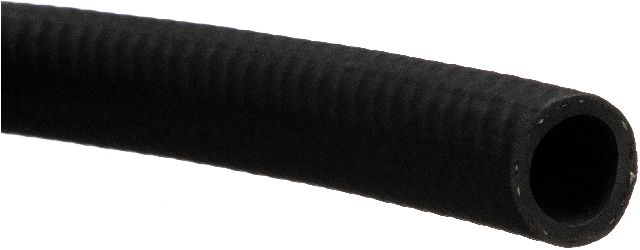
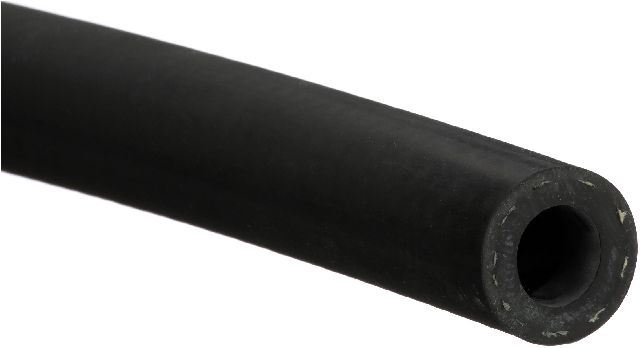
The Engine Coolant Bypass Hose for the Mercury Commuter is a molded rubber hose, pre-shaped to fit between the water pump and intake manifold on various V8 engines available from 1957-1968. It must be made of a material resistant to heat and modern coolant additives, such as EPDM rubber.
We Have This Part in Stock

The information in this article is provided for general reference and educational purposes only. Vehicle specifications, procedures, and part compatibility can vary by production date, trim level, and region. Always consult your vehicle's factory service manual and verify part numbers before purchasing or performing repairs. Safety-critical components such as airbags, seat belts, and braking systems should be installed by a qualified professional.