

Choosing the Right Spark Plug Wire Set for Your 1957-1959 Mercury Voyager
Keep your classic Voyager's V8 running smoothly with the correct new aftermarket spark plug wires.
- The Mercury Voyager was made from 1957-1959, not 1967; ensure you get parts for the correct year and V8 engine.
- For stock restorations, reliable brands like NGK, Denso, or Standard Wires are excellent choices.
- For modified engines or improved durability, consider performance brands like MSD, Taylor, or Accel.
- Always replace spark plug wires as a complete set to ensure balanced ignition performance.
Understanding Spark Plug Wires in Your Classic Mercury
The Mercury Voyager, produced from 1957 to 1959, was equipped with large, powerful V8 engines like the 312, 368, 383, and 430. These engines generate significant heat and require a robust ignition system. The spark plug wires are a key part of this system, but due to their age, original wires are no longer available or safe to use. All replacements are new aftermarket parts, which offer modern materials and improved performance over the original 1950s technology.
Symptoms of Failing Spark Plug Wires
Old or failing spark plug wires can cause a range of noticeable problems. Because the wires are responsible for delivering the spark to the cylinders, any issue with them directly impacts how the engine runs. Common symptoms include:
- Rough Idling: The engine may shake or vibrate more than usual when stopped.
- Engine Misfires: You might feel a jerking or stumbling sensation as one or more cylinders fail to fire correctly.
- Hesitation During Acceleration: The vehicle may feel sluggish or slow to respond when you press the gas pedal.
- Reduced Power and Fuel Economy: An inefficient spark means the engine isn't burning fuel properly, leading to worse performance and more trips to the gas station.
- Difficulty Starting: Worn wires can make it harder for the engine to turn over, especially in damp weather.
Visible Damage is a Clear Sign
Always inspect the wires for physical damage. Look for cracks, burns, melting, or brittle insulation. Any visible damage means the set should be replaced immediately to prevent performance issues and potential electrical shorts.
Choosing the Right Aftermarket Spark Plug Wire Set
With no OEM parts available, choosing the right aftermarket brand is key. The brands available can be grouped into tiers based on their intended use and quality.
Brand Tiers for Your Voyager
Standard Replacement Brands:
- NGK, Denso, Standard Wires (Standard Motor Products), Walker Products: These brands are excellent choices for a stock or daily-driven Voyager. They provide reliable performance that meets or exceeds original factory specifications. NGK and Denso are highly respected for their quality in ignition components. Standard Wires are a long-standing, dependable option for American vehicles.
Performance Upgrade Brands:
- MSD, Taylor Cable, Accel: If your Voyager has a modified engine, a high-output ignition system, or you simply want the best performance, these brands are the way to go. They often feature thicker wires (e.g., 8mm or 8.5mm) for better insulation and lower resistance, which helps deliver a stronger spark. MSD and Taylor are frequently recommended in classic car forums for their durability and performance. Accel also offers performance-oriented wires, including sets with ceramic boots for extra heat protection near hot exhaust manifolds.
Match the Wire to Your Engine
When ordering, ensure the wire set is specified for your Voyager's V8 engine (e.g., Ford MEL 430 V8). Universal kits are available but require you to cut the wires to length and crimp the terminals yourself. A vehicle-specific set is much easier to install.
Cost of a New Spark Plug Wire Set
| Part Category | Estimated Cost |
|---|---|
| Standard Aftermarket (NGK, Standard Wires) | $25 - $60 |
| Performance Aftermarket (MSD, Taylor, Accel) | $60 - $180 |
Frequently Asked Questions (FAQ)
Do I need special tools to replace spark plug wires?
For a pre-made, vehicle-specific set, you typically don't need special tools. A spark plug wire puller can be helpful to avoid damaging the boots, but often you can remove them by twisting and pulling firmly on the boot itself (never pull on the wire). If you buy a universal "cut-to-fit" set, you will need a wire stripping and crimping tool.
What's the difference between 7mm and 8.5mm wires?
The measurement refers to the wire's diameter. A thicker wire, like an 8.5mm one, generally has more insulation. This helps prevent voltage leaks and protects from heat damage, making it a good choice for high-performance engines or tight engine bays where wires are close to hot components. For a stock Voyager, a quality 7mm or 8mm wire is perfectly adequate.
How often should I replace my spark plug wires?
Unlike modern cars, there isn't a strict mileage interval for a classic like the Voyager. Wires should be inspected regularly for any signs of wear, such as cracks, brittleness, or discoloration. A good rule of thumb is to consider replacing them every 5-10 years, or whenever you perform a major ignition tune-up with new spark plugs, distributor cap, and rotor.
Is it okay to replace just one bad wire?
It is strongly recommended to replace the entire set at once. Wires degrade over time from heat and use. If one wire has failed, the others are likely not far behind. Replacing them all ensures consistent performance and reliability across all cylinders.
Technical Specifications
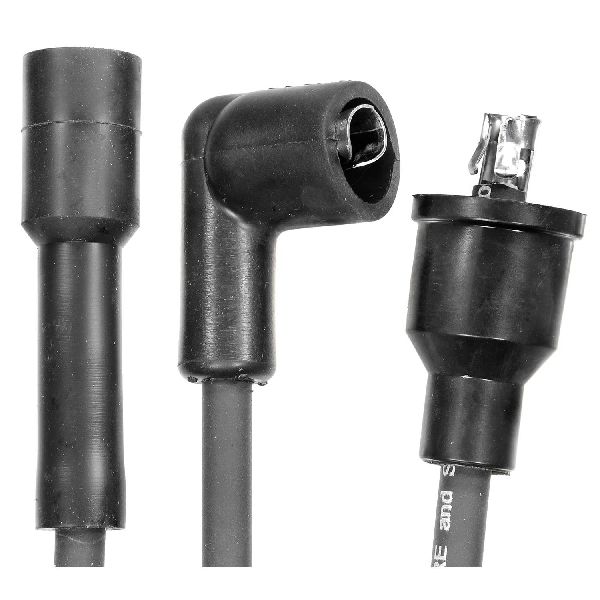
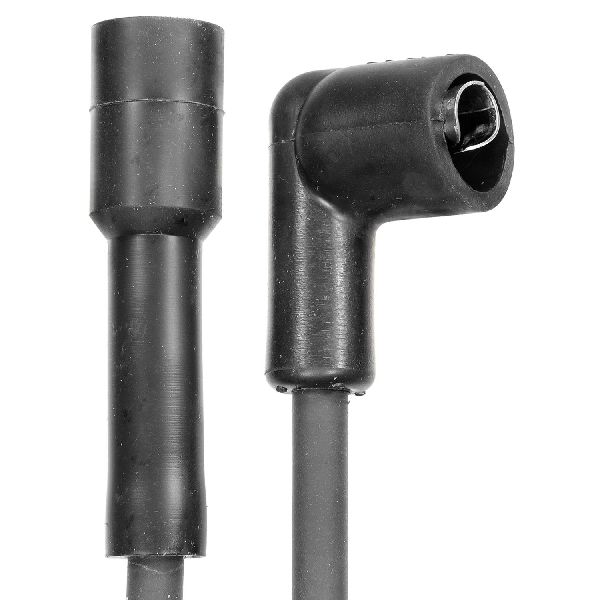
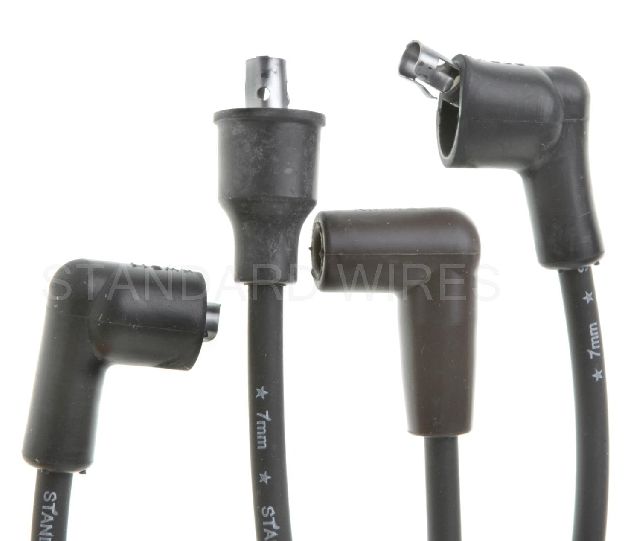
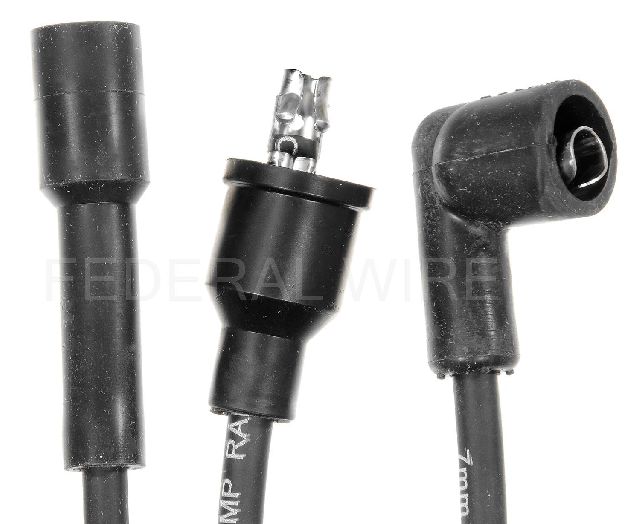
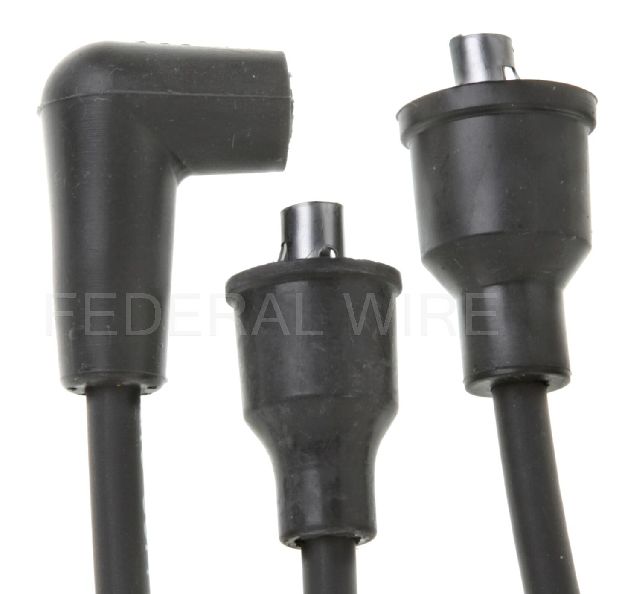
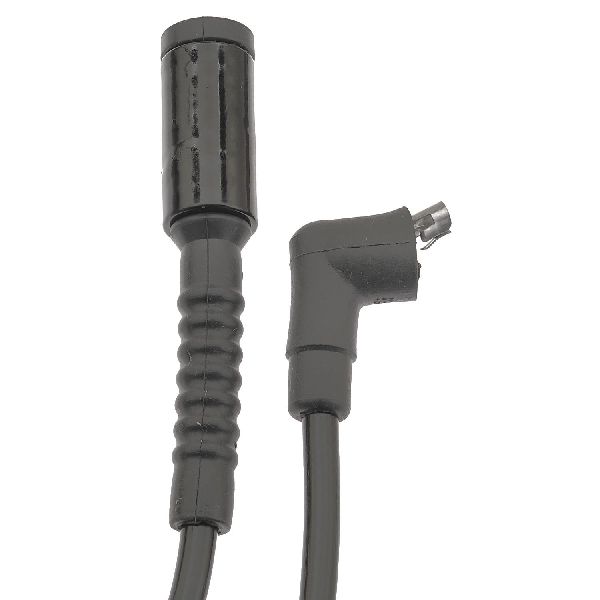
The correct spark plug wire set must be compatible with your specific V8 engine (e.g., 312, 368, 383, or 430 MEL). Key factors are wire length, boot angle (straight or 90-degree), and terminal type for both the spark plug and distributor cap.
We Have This Part in Stock

The information in this article is provided for general reference and educational purposes only. Vehicle specifications, procedures, and part compatibility can vary by production date, trim level, and region. Always consult your vehicle's factory service manual and verify part numbers before purchasing or performing repairs. Safety-critical components such as airbags, seat belts, and braking systems should be installed by a qualified professional.