

A Guide to the Distributor Cap for the 1957-1967 Mercury Voyager
Keep your classic Mercury V8 running smoothly by understanding this critical ignition part.
- A failing distributor cap is a common cause of misfires, rough idling, and starting problems on a classic V8.
- For this vehicle, aftermarket brands like Standard Ignition and Walker Products are the only viable options and offer reliable quality.
- Visually inspect the cap for cracks and corrosion; this is often enough to diagnose the problem.
- Always replace the distributor rotor at the same time as the cap for a complete ignition tune-up.
Understanding the Distributor Cap on Your Mercury Voyager
The Mercury Voyager was a full-size station wagon offered in 1957 and 1958, featuring powerful V8 engines like the 312, 368, 383, and 430 cubic-inch variants. While the "Voyager" name was used on other Mercury wagons in later years, such as the Comet Voyager in 1967, this guide focuses on the ignition systems common to these classic V8-powered vehicles. The distributor cap is a maintenance item that wears out over time and needs replacement to keep your classic running as it should.
Symptoms of a Failing Distributor Cap
A bad distributor cap can cause a range of problems. Because it's responsible for directing spark, any failure can directly impact how your engine runs. Look out for these common signs:
- Engine Misfires: This is one of the most common symptoms. You might feel a jerking or stumbling sensation while driving. This happens when a cylinder fails to get spark because of a cracked cap or corroded terminal.
- Difficulty Starting: If the cap is cracked or has moisture inside, it can make the engine hard to start or prevent it from starting at all.
- Rough Idle: A faulty cap can cause an uneven spark delivery, leading to a shaky or vibrating feeling when the car is stopped and idling.
- Engine Stalling or Backfiring: An interruption in spark can cause the engine to stall unexpectedly. Backfiring can also occur if unburnt fuel ignites in the exhaust.
Visual Inspection is Key
On a vehicle like the Voyager, you don't need complex tools to check the distributor cap. Open the hood and locate the distributor (a round or oval-shaped component with spark plug wires coming out of the top). Unclip the cap and look inside for any of the following:
- Cracks: Fine cracks in the plastic can let moisture in and cause spark to ground out.
- Corrosion: White or greenish buildup on the metal terminals inside the cap will block electricity.
- Carbon Tracking: Look for thin black lines that look like pencil marks on the inside of the cap. This is a sign that voltage is leaking and creating a short circuit.
- Worn Center Terminal: The center button that contacts the rotor can wear down, creating a weak connection.
Choosing the Right Aftermarket Distributor Cap
For a vintage vehicle like the 1957-1967 Mercury Voyager, finding a New Old Stock (NOS) or original equipment (OEM) distributor cap is nearly impossible. The aftermarket is your primary source for these parts. The good news is that the available brands are well-established and produce reliable components.
Brand Quality Tiers:
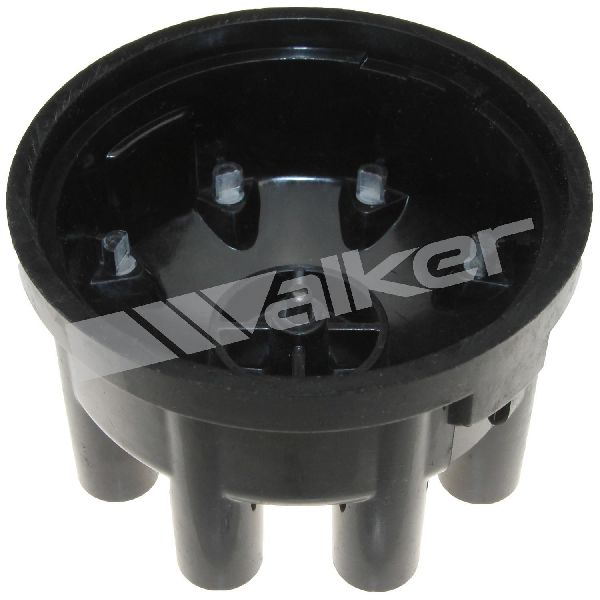
- Standard Ignition (Standard Motor Products): Often considered a top-tier aftermarket brand, Standard has been making ignition components for over 100 years. Their caps are known for using high-quality materials like glass-reinforced polyester and often feature brass terminals, which resist corrosion better than aluminum. They are a trusted choice for reliability.
- Walker Products: Walker is another reputable manufacturer that produces quality replacement parts designed to meet or exceed original specifications. They focus on creating parts with an exact OE fit for easy installation and use durable, heat-resistant materials. Walker provides a solid balance of quality and value.
Pro Tip: When replacing your distributor cap, it is highly recommended to also replace the rotor at the same time. The rotor is an inexpensive part that spins inside the cap and is subjected to the same wear and tear. Replacing both together ensures a strong, reliable ignition system.
Distributor Cap Replacement Cost
Replacing the distributor cap on a classic Mercury is a straightforward and affordable job. The parts are accessible, and the process is simple for a DIY mechanic or a professional.
| Part/Service | Estimated Cost |
|---|---|
| New Aftermarket Distributor Cap | $21.48 - $37.93 |
| Shop Labor | $60 - $90 |
Frequently Asked Questions (FAQ)
How often should I replace the distributor cap on my Voyager?
For a classic car that may not be driven daily, there's no strict mileage interval. It's best to inspect the cap and rotor annually or during regular tune-ups. Replace them whenever you see signs of wear, cracking, or corrosion.
Is it better to get a cap with brass or aluminum terminals?
Brass terminals are generally preferred. They offer better conductivity and are more resistant to corrosion and electrical pitting than aluminum, which helps ensure a longer service life and a more consistent spark.
Are there any recalls for the Mercury Voyager distributor cap?
No. There are no recalls or technical service bulletins (TSBs) from the NHTSA related to the distributor cap for the 1957-1967 Mercury Voyager. Recalls for vehicles this old are extremely rare and modern NHTSA records do not cover this component.
Can I replace the distributor cap myself?
Yes, this is a very DIY-friendly job on these vehicles. The most important step is to carefully transfer the spark plug wires from the old cap to the new one, one at a time, to ensure they remain in the correct firing order. Mismatching the wires will cause the engine to run poorly or not at all.
Technical Specifications
The Mercury Voyager was available with several V8 engines between 1957-1958, including the 312, 368, 383, and 430. All use a conventional distributor with a cap and rotor.
We Have This Part in Stock


The information in this article is provided for general reference and educational purposes only. Vehicle specifications, procedures, and part compatibility can vary by production date, trim level, and region. Always consult your vehicle's factory service manual and verify part numbers before purchasing or performing repairs. Safety-critical components such as airbags, seat belts, and braking systems should be installed by a qualified professional.