

Distributor Cap Guide for 1957-1967 Dodge W300 Pickup
Keep your classic Dodge W300's ignition system reliable by understanding, diagnosing, and replacing your distributor cap.
- A bad distributor cap can cause misfires, rough idle, hard starting, and stalling.
- Always replace the distributor rotor at the same time as the cap for a reliable repair.
- Aftermarket brands like Standard Ignition are the only option, as OEM parts are no longer made.
- Visually inspect the cap for cracks, corrosion, and carbon tracks before deciding to replace it.
Is Your W300's Distributor Cap Failing?
The distributor cap on your classic Dodge is a simple part, but it operates under tough conditions. Constant heat, vibration, and high voltage cause it to wear out over time. A visual inspection is the first step. Remove the cap and look for common signs of failure like fine cracks in the plastic, corrosion or white, chalky buildup on the metal terminals, and carbon tracks that look like pencil lines on the inside surface. Any moisture inside the cap is also a clear sign that it needs to be replaced.
Choosing the Right Aftermarket Cap
For a vintage truck like the 1957-1967 W300, new original equipment (OEM) parts from Dodge are no longer available. The good news is that aftermarket companies have been making quality replacement ignition parts for these trucks for decades. Brands like Standard Ignition and Walker Products are common choices.
- Standard Ignition: A long-established brand in ignition components, often considered a reliable choice by mechanics and classic truck owners. Their premium lines often feature brass terminals, which offer better conductivity and corrosion resistance than standard aluminum ones.
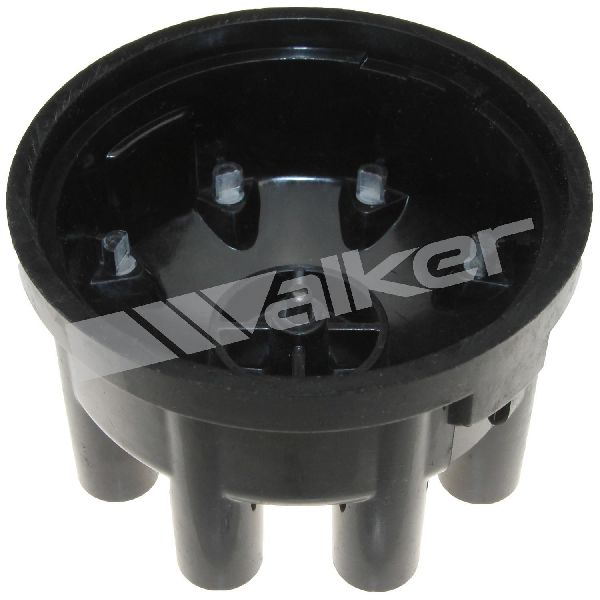
- Walker Products: Another known manufacturer that produces a wide range of engine management parts, including distributor caps designed to meet or exceed original specifications.
When shopping, look for a cap with brass contacts if available. While slightly more expensive, they provide better performance and a longer service life. It is highly recommended to replace the distributor rotor at the same time as the cap. They wear at the same rate, and it's an inexpensive part that ensures a complete and reliable repair.
Distributor Cap Replacement Cost for 1957-1967 Dodge W300
Replacing the distributor cap is one of the more affordable maintenance tasks for your truck. The parts are inexpensive, and the labor is straightforward for a professional mechanic.
| Part Type | Estimated Cost |
|---|---|
| New Aftermarket Distributor Cap | $21.55 - $53.33 |
| Shop Labor | $50 - $100 |
Frequently Asked Questions (FAQ)
Do I need to replace the rotor with the cap?
Yes, it is highly recommended. The rotor is the spinning part inside the cap that makes electrical contact. It wears out just like the cap does. Replacing both at the same time is a best practice for a tune-up and ensures the ignition system is reliable.
How often should I replace my distributor cap?
For a classic truck, it's a good idea to inspect the cap and rotor annually or every 10,000-12,000 miles. Given the low cost, you should replace them if you see any signs of wear, such as cracks, corrosion, or carbon tracking.
Are there any recalls for the distributor cap on my W300?
No, there are no recalls or technical service bulletins (TSBs) from the NHTSA for the distributor cap on a 1957-1967 Dodge W300. Any failures are due to the part's age and normal wear and tear.
Can a bad distributor cap cause my truck to not start?
Yes. A severely cracked, corroded, or moisture-filled cap can prevent spark from reaching the spark plugs, leading to an engine that cranks but won't start.
Technical Specifications
Varies by engine type (6-cylinder vs. V8). Ensure the new cap matches the old one in terms of terminal count and style (e.g., male vs. female posts for spark plug wires).
We Have This Part in Stock


The information in this article is provided for general reference and educational purposes only. Vehicle specifications, procedures, and part compatibility can vary by production date, trim level, and region. Always consult your vehicle's factory service manual and verify part numbers before purchasing or performing repairs. Safety-critical components such as airbags, seat belts, and braking systems should be installed by a qualified professional.