

Distributor Cap Replacement Guide for 1957-1967 Dodge W100 Pickup
Keep your classic Dodge W100 running strong by learning to spot and replace a worn-out distributor cap.
- A bad distributor cap will cause misfires, rough running, hard starting, and stalling.
- This is a simple DIY replacement; just swap the plug wires one-by-one to maintain the correct firing order.
- Always choose a premium aftermarket cap with brass terminals for better performance and a longer lifespan.
- Replace the distributor rotor at the same time as the cap for a complete and reliable repair.
Is Your W100's Distributor Cap Failing?
The ignition system in your 1957-1967 Dodge W100 is a simple and robust mechanical design. However, the distributor cap is a normal wear-and-tear item that needs to be replaced periodically. Over time, constant heat, vibration, and high voltage cause the plastic to crack and the metal contacts inside to corrode or wear down. A visual inspection is the best way to check its condition. Remove the cap and look for cracks, moisture, or a white, chalky buildup on the internal metal terminals. Also, check the center button; it should be spring-loaded and not worn down or stuck.
Symptoms of a Bad Distributor Cap
When a distributor cap starts to fail, it can't deliver a consistent spark to the spark plugs. This will cause noticeable engine problems. You might experience one or more of the following issues:
- Engine Misfires: The engine may sputter, jerk, or hesitate when you accelerate. This is a classic sign that spark isn't reaching the cylinders correctly.
- Rough Idle: Your truck may shake or vibrate when it's running but not moving, like at a stoplight.
- Hard Starting: The engine will crank over but may take a long time to start, or it might not start at all. This problem can be worse in cold or damp weather because moisture inside a cracked cap can interfere with the spark.
- Stalling or Backfiring: The engine might suddenly die at low speeds or when you come to a stop. You might also hear a loud popping sound from the exhaust.
No Recalls or TSBs for This Part
Due to the age of the 1957-1967 Dodge W100, there are no active recalls or manufacturer Technical Service Bulletins (TSBs) from Dodge or the NHTSA for the distributor cap. Failures of this part are expected due to normal wear over many decades of service.
Choosing the Right Aftermarket Cap: Brand & Quality Tiers
For a vintage truck like the W100, new Original Equipment Manufacturer (OEM) parts are no longer produced. The market consists entirely of aftermarket brands. The good news is that many aftermarket companies produce quality ignition components for classic vehicles. When shopping, focus on material quality rather than just the brand name.
- Economy Brands: These are the cheapest options. They often use aluminum terminals, which corrode faster and don't conduct electricity as well as brass. While they will work, they may not last as long or perform as consistently.
- Standard/Premium Brands: Brands like Standard Ignition and NAPA's Echlin line are well-regarded in forums for classic vehicles. Look for their premium tiers, such as Standard's 'Blue Streak' line, which often feature higher quality materials. The key feature to look for is brass terminals. Brass contacts offer better conductivity and corrosion resistance, leading to a stronger, more reliable spark and a longer service life.
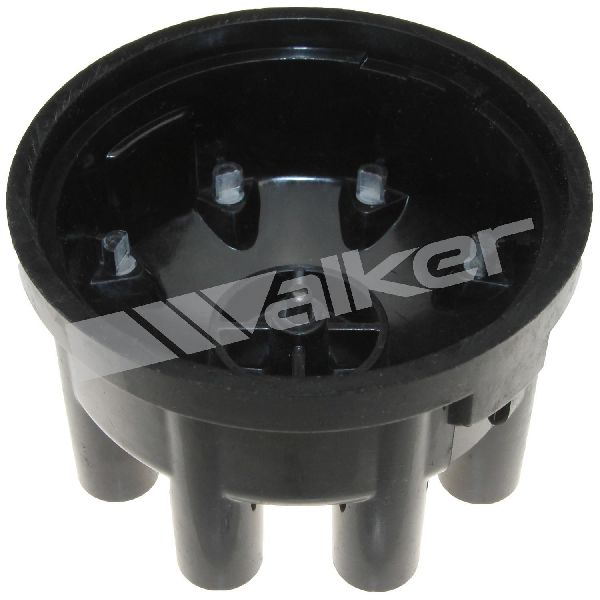
- Walker Products is another available brand. While specific reviews for their distributor caps on this truck are scarce, applying the same quality check—looking for brass contacts and robust construction—is the best approach.
Pro Tip: Replace the Cap and Rotor Together
The distributor rotor is the part that spins inside the cap. It wears out at the same rate as the cap itself. For a complete and reliable tune-up, you should always replace the rotor whenever you replace the cap. Many brands sell these together in a kit.
Cost to Replace a 1957-1967 Dodge W100 Distributor Cap
| Part Type | Part Cost | Labor Cost | Total Cost |
|---|---|---|---|
| New Aftermarket | $21.55 - $53.33 | $50 - $100 | $71.55 - $153.33 |
| Shop Repair | N/A | $75 - $200 | |
Frequently Asked Questions (FAQ)
Is replacing the distributor cap a difficult job?
No, this is a great DIY job for a beginner. The distributor cap is easy to access on top of the engine and is typically held on by two clips or screws. The most important part of the job is to move the spark plug wires from the old cap to the new cap one at a time to ensure the firing order remains correct.
What else should I inspect while replacing the cap?
When the cap is off, look inside the distributor for any signs of oil or moisture, which could point to a failing seal. This is also the perfect time to inspect your spark plug wires for cracks, brittleness, or corrosion. A full ignition tune-up for a W100 typically includes a new distributor cap, rotor, spark plugs, wires, and sometimes points and a condenser.
What's the difference between aluminum and brass contacts?
Brass contacts are superior to aluminum for distributor caps. Brass is a better electrical conductor and is much more resistant to corrosion and wear from the high-voltage spark. A cap with brass terminals will provide better performance and last significantly longer than a cheaper cap with aluminum terminals.
My truck has points and a condenser. Should I replace those too?
Yes. The ignition system on these trucks uses mechanical points and a condenser to trigger the spark. Like the cap and rotor, these are wear items that should be replaced as part of a regular tune-up to ensure reliable operation.
Technical Specifications
Varies by engine (6-cylinder or V8). Ensure the new cap matches the cylinder count and distributor type for your specific engine. Terminals can be male (post) or female (socket) style.
We Have This Part in Stock


The information in this article is provided for general reference and educational purposes only. Vehicle specifications, procedures, and part compatibility can vary by production date, trim level, and region. Always consult your vehicle's factory service manual and verify part numbers before purchasing or performing repairs. Safety-critical components such as airbags, seat belts, and braking systems should be installed by a qualified professional.