

Engine Oil Pressure Switch Guide for 1957-1967 Dodge D100 Pickup
Keep your classic D100's engine safe by understanding and replacing your oil pressure switch.
- First, confirm if you have a real oil pressure problem by checking the oil level. Don't ignore a warning light.
- Determine if your truck has a warning LIGHT (needs a 'switch') or a GAUGE (needs a 'sender'). They are not interchangeable.
- Both Standard Ignition and Rostra are reliable aftermarket brands for this part.
- This is a very easy and inexpensive DIY repair you can do in under 30 minutes.
Is Your Oil Light Flickering? What It Means for Your D100
The oil pressure switch is a small but mighty part of your Dodge D100's engine. It acts as a safety guard, watching the oil pressure to make sure everything is lubricated properly. When this switch fails, it can give you a real scare by flashing the oil light, or worse, it might not warn you when there's a real problem. For a classic truck like the D100, where original gauges can be temperamental, a working oil pressure switch is key to peace of mind.
Symptoms of a Failing Oil Pressure Switch
A bad oil pressure switch can cause several confusing symptoms. Because these trucks are from a simpler time, you won't get a check engine light code. You have to rely on what the dashboard tells you.
- Flickering Oil Light: The most common sign is an oil light that flickers, especially at idle or when the engine is warm.
- Oil Light Stays On: The light might stay on constantly, even if you've checked the oil level and it's full.
- Incorrect Gauge Reading: If your truck has an optional or aftermarket oil pressure gauge, a bad sending unit (the gauge version of a switch) can cause the needle to read zero, max out, or bounce around wildly.
- Visible Oil Leak: The switch itself can develop a leak. You might see oil on the sensor or on the ground below it.
First, Check Your Oil!
Before you assume the switch is bad, always check your engine's oil level and condition. An oil light can mean you are dangerously low on oil. If you hear any engine knocking or ticking noises along with the light, pull over and shut off the engine immediately. That could be a sign of a real, and serious, loss of oil pressure.
Choosing the Right Aftermarket Switch
For a 1957-1967 Dodge D100, finding a new OEM (Original Equipment Manufacturer) part is nearly impossible. You will be shopping for a new aftermarket part. The good news is that for a simple part like an oil pressure switch, aftermarket options are reliable and affordable.
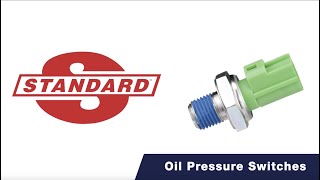
Standard Ignition (Standard Motor Products): A very well-known and trusted brand in the aftermarket world. They have been making quality electrical parts for decades and are a solid choice for your classic Dodge. Their switches are known for durability and accurate readings.
🎬 See how Standard Ignition builds their reliable oil pressure switches.Rostra Powertrain: Rostra is another reputable manufacturer, often known for transmission components but also making various engine sensors. They produce quality replacement parts that meet or exceed original specifications.
For a part this critical and inexpensive, both Standard Ignition and Rostra Powertrain are excellent choices. You can't go wrong with either for your D100.
Pro Tip: Switch vs. Sender
Make sure you know if your truck has a warning LIGHT or a pressure GAUGE. A light uses a 'switch'. A gauge uses a 'sending unit' or 'sender'. They look similar but work differently and are not interchangeable. Most D100s of this era came standard with a light.
Cost of a New Oil Pressure Switch
Replacing the oil pressure switch is one of the most affordable repairs you can make. The parts are inexpensive, and if you do it yourself, you'll only be out the cost of the part and maybe a special socket.
| Part Type | Price Range |
|---|---|
| New Aftermarket (Standard, Rostra) | $8.97 - $15.87 |
| Shop Labor | $50 - $100 |
Frequently Asked Questions
Where is the oil pressure switch located on my D100?
On most V8 engines of this era, like the Poly 318, the oil pressure switch is located on the top of the engine block, near the firewall, often to the passenger side of the distributor. It's a small, can-shaped sensor with a single wire attached.
Can I replace the oil pressure switch myself?
Yes, this is a great DIY job for beginners. It's usually easy to access. You'll need a wrench or a special oil pressure switch socket, and it's a simple screw-out, screw-in process. 🎬 Watch this quick guide on how to replace the switch. The whole job should take less than 30 minutes.
Do I need a special tool to replace it?
Sometimes. The switch can be in a tight spot, and its shape can be awkward for a standard wrench. An oil pressure switch socket is a deep socket with a cutout for the wire connector, which can make the job much easier. They are not expensive and are a good addition to your toolbox.
Are there any recalls for the oil pressure switch on my truck?
No, searches of the National Highway Traffic Safety Administration (NHTSA) database show no recalls for the engine oil pressure switch on the 1957-1967 Dodge D100. Given the age of the vehicle, any such issues would have been addressed decades ago.
Helpful Videos
Technical Specifications
The most important specification is whether the part is a 'switch' for a warning light or a 'sending unit' for a gauge. Thread size is also critical for proper fitment into the engine block. Most for this application use a 3/8-27 thread.
We Have This Part in Stock


The information in this article is provided for general reference and educational purposes only. Vehicle specifications, procedures, and part compatibility can vary by production date, trim level, and region. Always consult your vehicle's factory service manual and verify part numbers before purchasing or performing repairs. Safety-critical components such as airbags, seat belts, and braking systems should be installed by a qualified professional.