

Choosing the Right Spark Plug Wires for Your 1957-1965 Dodge Lancer
Ensure your classic Lancer's Slant-6 or V8 gets the reliable spark it needs for smooth performance.
- First, verify if you have a 1957-59 V8 model or a 1961-62 Slant-6 model, as the parts are different.
- For Slant-6 engines, ensure the new wire set has boots that properly seal the spark plug tubes.
- For stock engines, an OEM-quality brand like Standard, NGK, or Denso provides excellent, reliable performance.
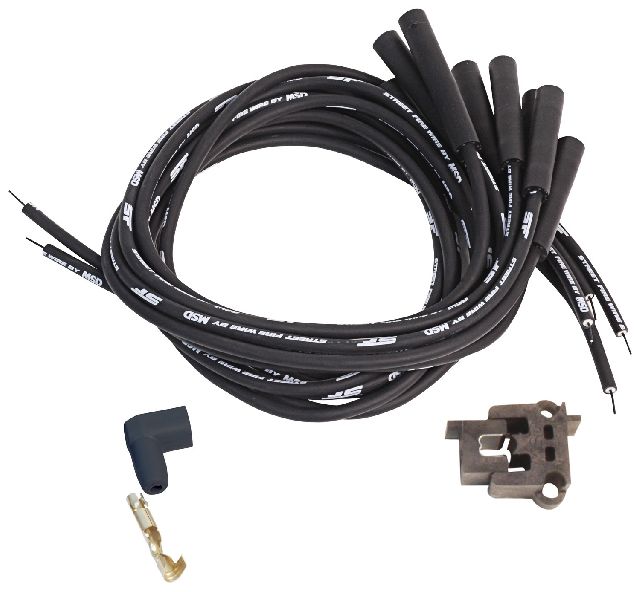
- Performance brands like MSD and Taylor are best for modified engines with high-output ignition systems.
First, Which Lancer Do You Own?
Before buying a spark plug wire set, it's crucial to know which type of Dodge Lancer you have. The "Lancer" name was used for two very different cars in the 1957-1965 period.
- 1957-1959 Lancer (Trim Level): This was not a standalone model, but a name for the 2-door and 4-door hardtop versions of the Dodge Coronet, Royal, and Custom Royal. These were larger cars that typically came with V8 engines, such as the 325, 361, or 383 cubic inch V8. Wire sets for these V8 engines are completely different from the later Lancer.
- 1961-1962 Lancer (Compact Model): This was Dodge's compact car, built to compete with others in its class. The vast majority of these Lancers were equipped with the famously durable Slant-6 engine, in either 170 or 225 cubic inch versions. This is the car most people think of as the Dodge Lancer.
Pro Tip: Always confirm your engine type (Slant-6 or V8) and year before ordering. A wire set for a 1958 Royal Lancer V8 will not fit a 1962 Lancer with a Slant-6.
Symptoms of Failing Spark Plug Wires
On a classic car like the Lancer, you won't have a "Check Engine" light to warn you of problems. You have to rely on how the car feels and sounds. Worn-out spark plug wires can cause several noticeable issues because they fail to deliver a consistent spark.
- Rough Idle: The engine may shake, sputter, or vibrate more than usual when you're stopped.
- Engine Misfires: You might feel a stutter or hesitation from the engine, especially when accelerating.
- Poor Acceleration: The car may feel sluggish or down on power when you press the gas pedal.
- Difficulty Starting: A weak spark can make the engine harder to start, requiring more cranking.
- Visible Damage: Look at the wires themselves. Cracks, melting, or burn marks on the wire's outer insulation are clear signs they need to be replaced.
Choosing the Right Aftermarket Wires
Original equipment (OEM) wires for a car this old are generally not available, except as expensive New Old Stock (NOS). Aftermarket brands offer a wide range of quality and performance levels that meet or exceed original specifications.
Performance Brands: MSD, Taylor Cable, Granatelli
These brands are for owners who have modified their engines or want the absolute best spark delivery. They often feature thicker 8mm or 8.5mm insulation, lower electrical resistance, and high-quality silicone boots. Forum users frequently recommend MSD and Taylor for classic Mopar performance builds. While they are the most expensive, they provide excellent durability and can help a high-performance ignition system work its best. For a stock Lancer, these are generally overkill but are still a high-quality option.
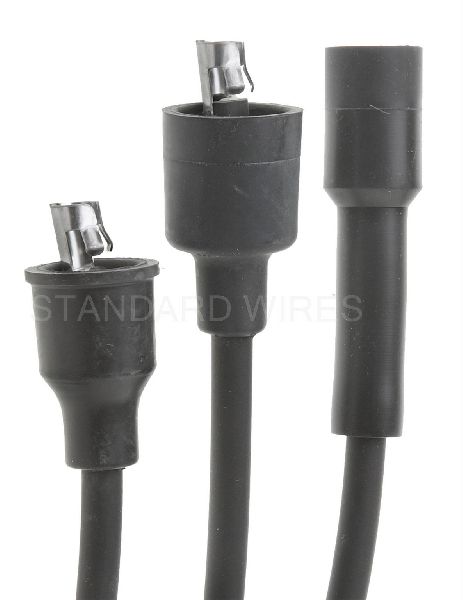
OEM-Quality Brands: Standard, NGK, Denso
For a stock restoration or a reliable daily driver, these brands are an excellent choice. They are engineered to be direct replacements for the original wires and provide reliable, long-lasting performance. Brands like Standard Motor Products (often sold as Standard or BWD) are well-regarded for stock applications. NGK and Denso are known for their quality and are a trusted choice for many classic car enthusiasts. These wires typically have a 7mm diameter, similar to the originals.
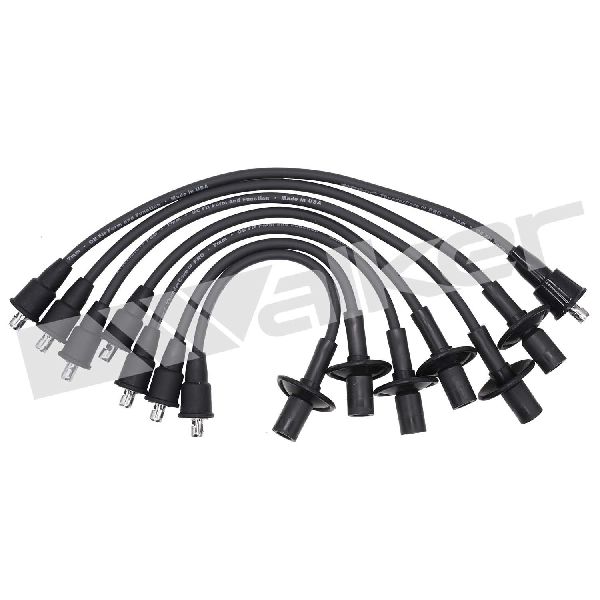
Budget-Friendly Brands: Accel, Walker Products
These brands offer a functional replacement at a lower price point. Accel has mixed reviews in online forums; some users have had issues with the quality of the connectors and boots, while others find them perfectly adequate for a standard engine. They can be a good choice if budget is the primary concern, but inspect them carefully before installation.
Aftermarket Brand Tiers for Dodge Lancer
| Tier | Brands | Price Range | Best For |
|---|---|---|---|
| Performance | MSD, Taylor Cable, Granatelli | $75 - $185 | Modified engines, high-performance ignition systems, maximum durability. |
| OEM-Quality | Standard (SMP), NGK, Denso | $30 - $75 | Stock engines, daily drivers, and owners wanting original-style performance. |
| Economy | Accel, Walker Products | $22 - $50 | Basic replacement on a budget. |
Known Issues & Recalls
There are no active recalls or Technical Service Bulletins (TSBs) from the NHTSA for the spark plug wires on the 1957-1965 Dodge Lancer, which is expected for a vehicle of this age. However, owners of the 1961-1962 Lancer with the Slant-6 engine should be aware of a common fitment issue. The original wires included boots that sealed the top of the spark plug tubes in the cylinder head. Some aftermarket sets may not include these specific boots. If your new set doesn't have them, you can often carefully remove the old ones and reuse them on the new wires to prevent debris from falling into the tubes.
Frequently Asked Questions (FAQ)
Do I need special wires for my Slant-6 engine?
You need wires that are the correct length and have the right boots. The most important part is ensuring the spark plug end has a boot that properly seals the spark plug tube to keep out dirt and moisture. Many Slant-6 specific sets are designed for this.
What's the difference between 7mm, 8mm, or 8.5mm wires?
The measurement refers to the diameter of the wire. Thicker wires (like 8mm or 8.5mm) have more insulation, which helps prevent voltage from arcing to ground and can provide better protection against engine heat. For a stock engine, standard 7mm wires are perfectly fine. Performance wires are often thicker.
Should I buy a universal "cut-to-fit" set or a direct-fit set?
Direct-fit sets are easier to install as they are already cut to the correct lengths for your engine. Universal sets require you to cut each wire and attach the terminal ends yourself. This allows for a custom routing and perfect length but requires more work and a special crimping tool for a reliable connection. For most owners, a direct-fit set is the more practical choice.
Are expensive performance wires worth it for my stock Lancer?
For a stock engine with a stock ignition system, you will likely not see any noticeable performance gain from expensive wires. A good quality OEM-style set from a brand like Standard or NGK will provide a strong, reliable spark. Performance wires are most beneficial on engines with high-output ignition systems, such as those from MSD.
Technical Specifications
OEM Part Numbers: 2275438 2420800
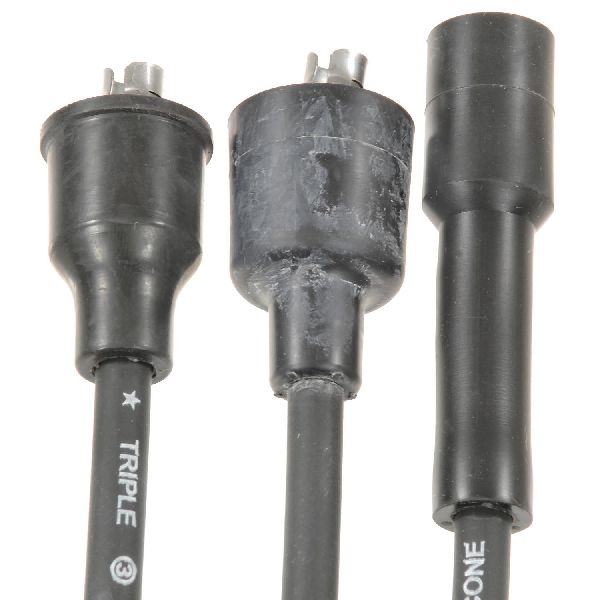
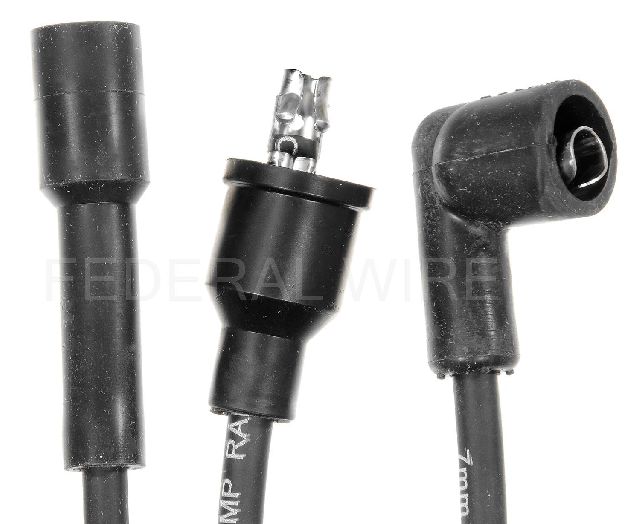
Core Material: Carbon Core, Spiral Core, Solid Copper Core; Diameter: 7mm (stock), 8mm, 8.5mm+ (performance); Boot Material: Silicone; Terminals: Varies by engine (straight or 90-degree boots)
We Have This Part in Stock

The information in this article is provided for general reference and educational purposes only. Vehicle specifications, procedures, and part compatibility can vary by production date, trim level, and region. Always consult your vehicle's factory service manual and verify part numbers before purchasing or performing repairs. Safety-critical components such as airbags, seat belts, and braking systems should be installed by a qualified professional.