

A Guide to Spark Plug Wire Sets for the 1957-1959 Dodge Sierra
Keep your classic Dodge wagon running strong by choosing the right spark plug wire set for its V8 engine.
- Symptoms of failure include rough idle, misfires, and reduced power.
- Replacement is an easy DIY job; just replace wires one at a time to maintain the correct firing order.
- Confirm your Sierra's engine type (some require special Hemi-style boots).
- For most owners, a quality standard replacement or street performance set from brands like Standard or Taylor offers the best balance of quality and value.
Signs of Failing Spark Plug Wires
When spark plug wires start to fail on your Sierra's V8, the symptoms are usually noticeable. Because the wires are responsible for delivering spark, a faulty wire can cause a cylinder to not fire correctly. You should inspect your wires if you experience any of the following issues.
- Rough Idle: The engine may shake or vibrate more than usual when the car is stopped.
- Engine Misfires: You might feel a hesitation or stumble from the engine, especially under acceleration.
- Reduced Power and Fuel Economy: When your engine isn't firing on all cylinders, it has to work harder, which uses more fuel and reduces power.
- Difficulty Starting: Weak or inconsistent spark can make the engine harder to start.
- Visible Damage: A visual inspection may reveal cracks, burns, or brittleness in the wire's outer insulation. In the dark, you might even see sparks arcing from a damaged wire to a metal part of the engine.
Pro Tip for Hemi Engines
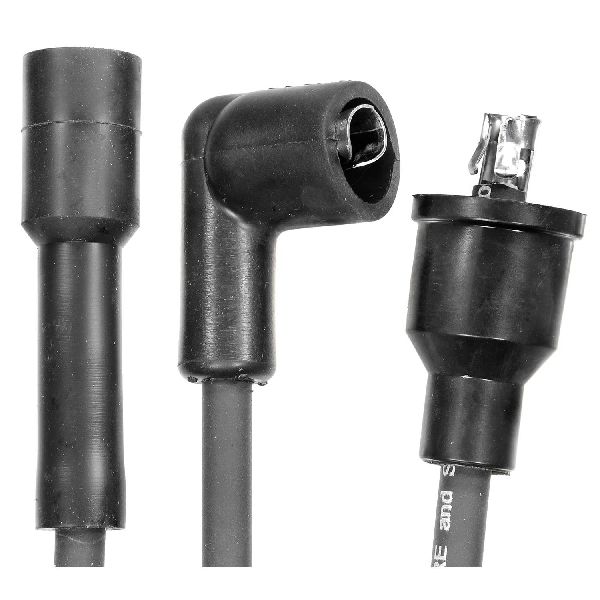
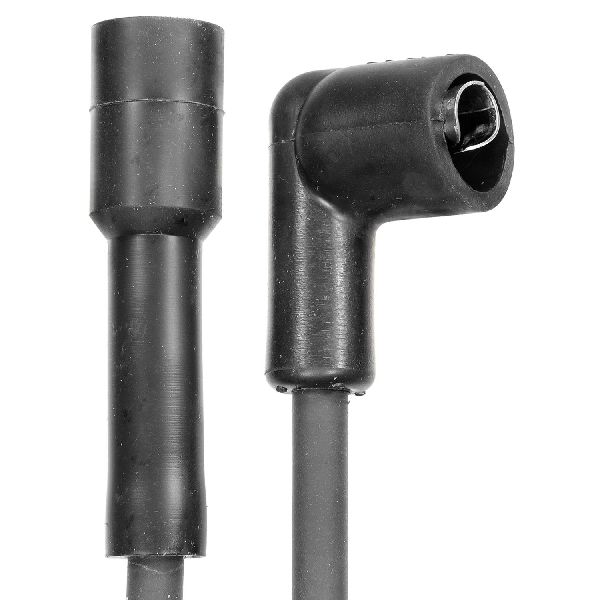
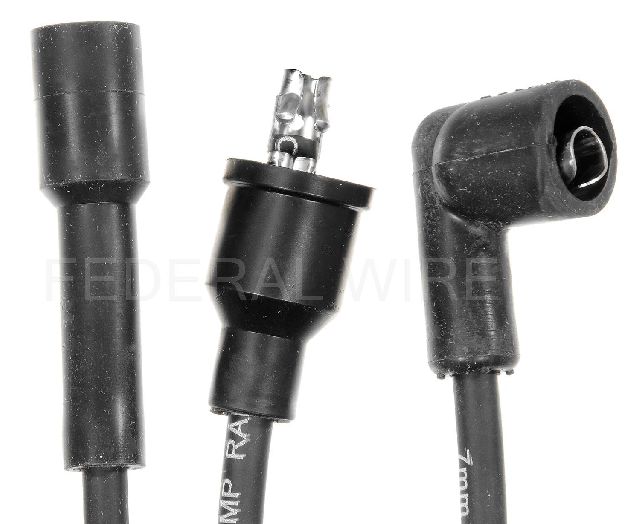
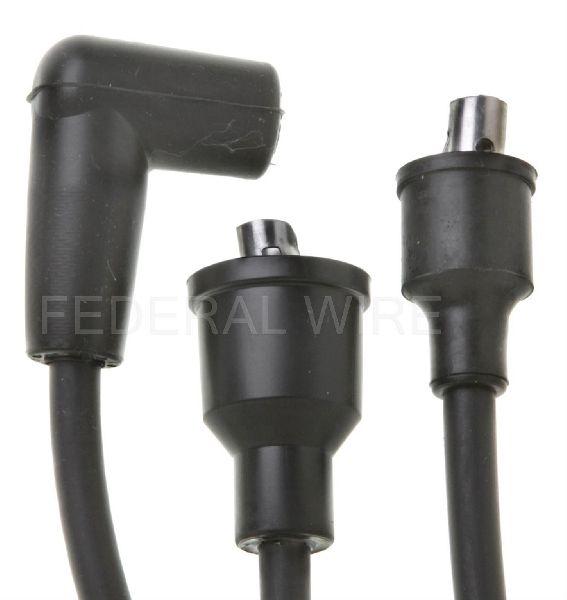
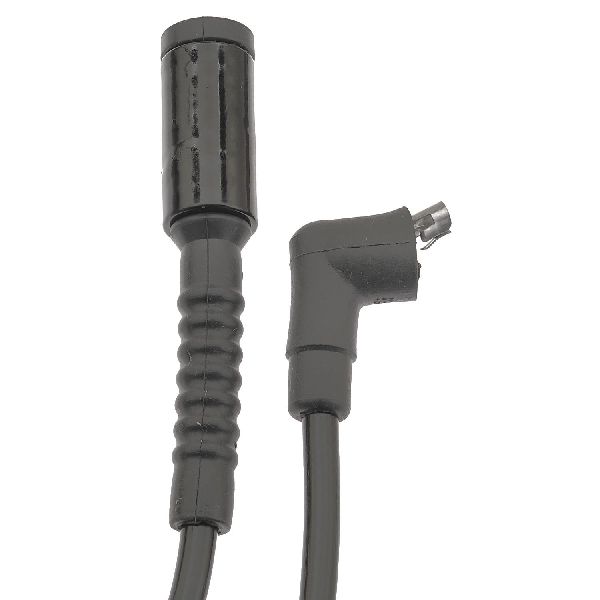
Some 1957-1959 Dodge models were equipped with Hemi or semi-Hemi V8 engines, which have spark plugs located deep inside tubes in the valve covers. These engines require wire sets with long, specially-shaped boots to properly seal the spark plug tube and prevent voltage leaks. Ensure the set you buy is specified for your exact engine type.
Choosing the Right Aftermarket Spark Plug Wire Set
Original equipment (OEM) wires for a classic vehicle like the Sierra are no longer produced. However, today's aftermarket offers a range of options that are often superior to the original 1950s technology, featuring better insulation materials like silicone for improved heat and moisture resistance.
Brand Tiers for Your Sierra
- Standard Replacement (Good): Brands like Standard Wires (Standard Motor Products) offer dependable, OEM-style replacement wire sets. These are an excellent, affordable choice for a stock, daily-driven, or periodically used Sierra. They provide reliable performance and proper fit without the higher cost of performance-oriented brands.
- Street Performance (Better): Brands like Taylor Cable and Accel are well-regarded in the classic car community. They typically feature thicker 8mm silicone jackets for better heat protection and spiral-wound cores that offer lower resistance while still suppressing radio frequency interference (RFI). Taylor is often praised in forums for its reliability and value. Accel also offers good performance, with some sets including ceramic boots for extreme heat protection near exhaust manifolds or headers.
- High-Performance (Best): For highly modified engines or owners seeking maximum voltage delivery, brands like Granatelli market near-zero resistance wires. While claims of significant horsepower gains on a stock engine are debated, users often report a smoother idle and quicker throttle response. However, they are the most expensive and some users have questioned their long-term durability for the price.
Estimated Replacement Costs
The cost for a new aftermarket spark plug wire set for your 1957-1959 Dodge Sierra can vary based on the brand and performance level.
| Item | Estimated Cost |
|---|---|
| New Aftermarket Spark Plug Wire Set | $31.28 - $153.26 |
| Shop Labor | $60 - $120 |
| Total Estimated Cost | $91.28 - $273.26 |
Cost estimates are based on national averages and may vary by location and chosen parts.
Frequently Asked Questions (FAQ)
Can I install new spark plug wires myself?
Yes, this is a great DIY job for a classic car owner. The engine bay of a 1950s vehicle provides ample room to work. The most important rule is to replace the wires one at a time to ensure the new wire goes to the correct cylinder, maintaining the engine's firing order. A wire puller tool can be helpful, but is not required.
What is dielectric grease and should I use it?
Dielectric grease is a non-conductive, silicone-based grease that is applied to the inside of the spark plug wire boots before installation. It helps seal out moisture, prevents corrosion, and makes it easier to remove the wires in the future. It is highly recommended for any spark plug wire installation.
What's the difference between 7mm and 8mm wires?
The measurement refers to the diameter of the wire. Original wires were typically 7mm. Performance wires are often 8mm or larger, featuring a thicker jacket for better insulation and heat resistance. For a stock Sierra, a 7mm wire is perfectly fine, but an 8mm wire can be a good upgrade for added durability, especially if you have aftermarket exhaust manifolds (headers).
How often should I replace the spark plug wires?
For a classic car, there isn't a strict mileage rule. It's best to inspect them annually for signs of wear, such as cracks or brittleness. As a general guideline, consider replacing them every 5 to 10 years or whenever you perform a major tune-up with new spark plugs and a distributor cap.
Technical Specifications
Engine-specific fit for various V8s (325, 361, 383 cid, etc.). Wire diameters typically 7mm or 8mm. Core types include carbon suppression and spiral-wound. Boot material is typically silicone. Some sets require specific boots for Hemi-style engines.
We Have This Part in Stock

The information in this article is provided for general reference and educational purposes only. Vehicle specifications, procedures, and part compatibility can vary by production date, trim level, and region. Always consult your vehicle's factory service manual and verify part numbers before purchasing or performing repairs. Safety-critical components such as airbags, seat belts, and braking systems should be installed by a qualified professional.