

Engine Timing Set Guide for 1956-1965 Chrysler Imperial
Keep your classic Imperial's Hemi or Wedge V8 running strong with the right timing set.
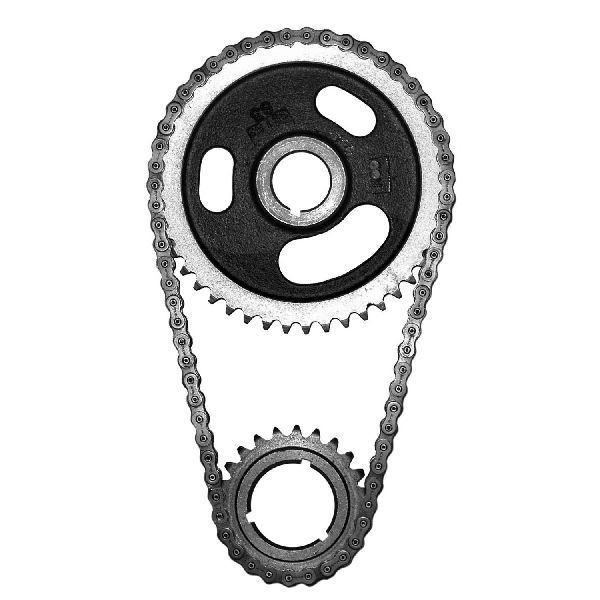
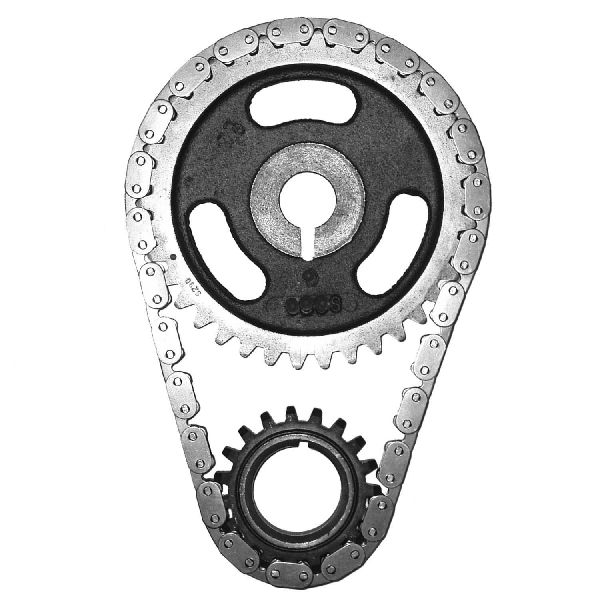
- The original nylon-toothed cam gear is a known failure point; replace it with an all-metal aftermarket set.
- A rattling noise from the front of the engine at idle is the most common symptom of a worn timing chain.
- Verify if your engine uses a single-bolt or three-bolt camshaft sprocket before ordering parts.
- Consider a heavy-duty double roller set from a brand like Cloyes for maximum durability.
Is Your Imperial's Timing Chain Failing?
The original timing sets in these classic Chryslers often used a camshaft sprocket with nylon-coated teeth. This was done to make the engine run quieter. After decades of use, this nylon can become brittle, crack, and break off, falling into the oil pan. This causes the timing chain to become loose, which can lead to several noticeable problems.
Key Symptoms of a Worn Timing Set:
- Rattling Noise at Idle: The most common sign is a rattling or slapping sound from the front of the engine, especially when it's first started or idling. This is the sound of the loose chain hitting the inside of the timing cover.
- Poor Engine Performance: A stretched or loose chain can retard the ignition timing. You might notice a loss of power, rough idling, hesitation when accelerating, or difficulty starting the engine.
- Engine Misfires: If the chain becomes loose enough to jump a tooth on a sprocket, the engine's timing will be significantly off, causing misfires and very rough running.
- Metal Shavings in Oil: When changing your oil, finding small, shiny metal flakes can be a sign that the chain or sprockets are wearing down.
Don't Ignore a Failing Timing Chain
While a loose chain will cause performance issues, a completely broken chain is a much bigger problem. If the chain breaks, your engine will immediately stop running and will not restart. Depending on the specific engine design (interference vs. non-interference), this could potentially cause catastrophic internal damage if the pistons hit the open valves. It's best to replace a worn timing set before it fails completely.
Choosing the Right Aftermarket Timing Set
For a vehicle of this age, new OEM parts are generally unavailable. The good news is that modern aftermarket timing sets are often superior to the original 1950s and 60s parts, especially those that replace the nylon-toothed cam sprocket with a full-steel one.
Brand Tiers for Your Imperial:
- Standard Replacement (Good): Brands like INA and standard-line Melling or Cloyes offer quality, all-metal replacement sets that are a significant upgrade over the original nylon-toothed gear. These are perfect for a stock daily driver or a car that sees regular weekend use.
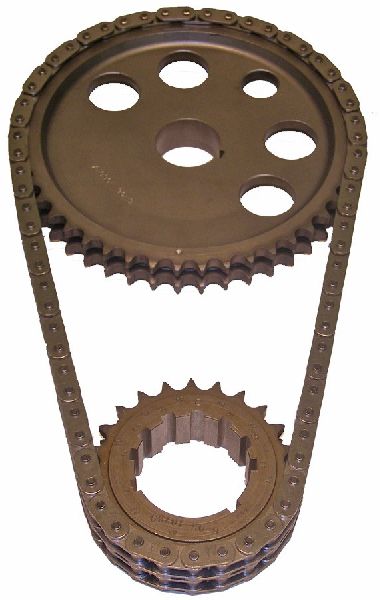
- Heavy-Duty / Performance (Better): Brands like Cloyes (double roller sets), Melling Select Performance, and Edelbrock offer heavy-duty timing sets. These often feature a "double roller" chain, which is stronger and more durable than a standard "silent" or link-belt type chain. Forum users frequently recommend Cloyes double roller sets for their durability on classic Mopar V8s.
- Billet / Adjustable (Best): For high-performance builds or owners who want the absolute best, brands like Rollmaster offer billet steel sets. These are the strongest available and often include multiple keyways on the crankshaft sprocket, allowing for precise camshaft timing adjustments—a feature useful for modified engines.
Pro Tip: Check Your Camshaft Bolt Pattern
Chrysler big-block engines from this era can have either a single-bolt or a three-bolt camshaft sprocket. Before ordering, it's best to remove the timing cover to verify which style your engine has to ensure you purchase the correct kit. Some performance upgrades involve switching from a single-bolt to a three-bolt setup.
Estimated Costs for Timing Set Replacement
| Part/Service | Estimated Cost |
|---|---|
| New Aftermarket Timing Set | $43 - $167 |
| Shop Labor | $400 - $750 |
| Total Estimated Cost | $443 - $917 |
Frequently Asked Questions
How often should I replace the timing chain on my Imperial?
There is no strict interval, but many classic car owners recommend inspecting it every 100,000 miles. Given the age of these vehicles and the original use of nylon-toothed gears, it's wise to replace it as a preventative measure if you don't know its history, especially if you already have the timing cover off for another repair like a front seal leak.
Should I get a standard chain or a double roller chain?
For a stock engine, a quality standard all-metal set is a great upgrade. A double roller chain, like those offered by Cloyes, is considered a "forever" part by many enthusiasts and is excellent for peace of mind and for modified engines. It may produce a very slight "bicycle chain" noise at idle compared to a silent chain.
Do I need to replace the water pump at the same time?
The timing set is located behind the timing cover, and on these engines, you will need to remove the water pump to access it. Since you're already doing the labor, it is highly recommended to replace the water pump, front crankshaft seal, and all related gaskets at the same time to prevent future leaks.
Are there any recalls for the timing set on a 1956-1965 Imperial?
No, searches of the NHTSA database and other historical sources show no recalls or specific Technical Service Bulletins (TSBs) for the timing set on these classic Imperials. Problems are typically due to age-related wear of the original components.
Helpful Videos
Technical Specifications
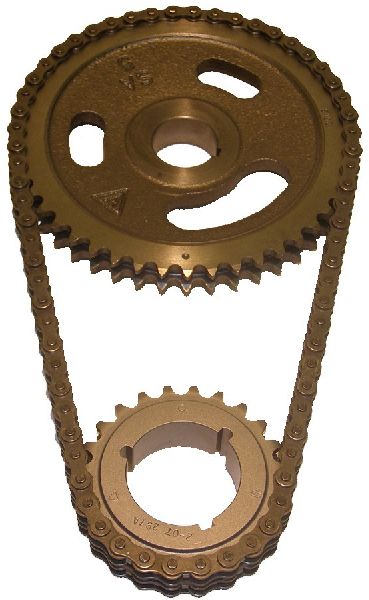
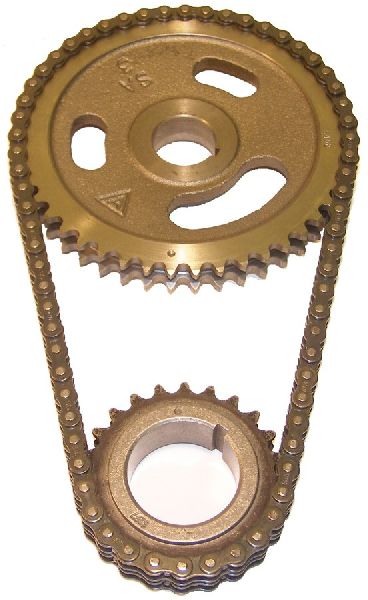
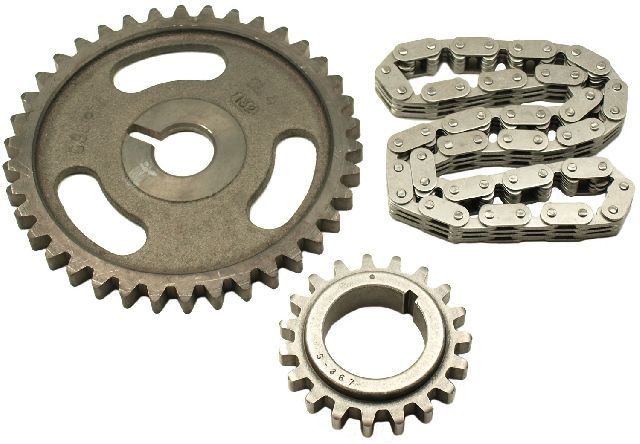
Fits 1956-1965 Chrysler Imperial models with V8 engines (e.g., 331, 354, 392 Hemi; 413 Wedge). Timing sets consist of a camshaft sprocket, a crankshaft sprocket, and a timing chain. Verify single-bolt vs. three-bolt cam sprocket design before purchase.
We Have This Part in Stock

The information in this article is provided for general reference and educational purposes only. Vehicle specifications, procedures, and part compatibility can vary by production date, trim level, and region. Always consult your vehicle's factory service manual and verify part numbers before purchasing or performing repairs. Safety-critical components such as airbags, seat belts, and braking systems should be installed by a qualified professional.