

Jeep Utility Wagon Ignition Coil Guide: 1956-1964
Keep your classic Willys running strong by choosing the right ignition coil for its specific electrical system.
- Crucially, you must confirm if your Jeep has a 6-volt or 12-volt system before ordering; the changeover happened around 1957.
- Symptoms of failure range from a complete no-start condition to rough idling, stalling, and poor acceleration.
- Replacement is a simple DIY task that takes less than 30 minutes with basic tools.
- There are no recalls or TSBs for this part on your vintage Jeep; modern Jeep bulletins do not apply.
Understanding Your Utility Wagon's Ignition System
The ignition system on the 1956-1964 Jeep Utility Wagon is simple and robust, using a mechanical points-and-condenser setup with a single canister-style ignition coil. This is a far cry from modern computer-controlled systems. The coil is the heart of this system, and when it fails, your reliable workhorse can quickly become a non-runner. Because this is a vintage vehicle, new OEM (Original Equipment Manufacturer) parts are no longer produced. Aftermarket parts are your primary option, and thankfully, the technology for this type of coil is well-established.
Critical Check: 6-Volt vs. 12-Volt Systems
The most common mistake when ordering an ignition coil for this Jeep is buying the wrong voltage. Willys began transitioning from 6-volt to 12-volt electrical systems around 1957. This means a 1956 model is almost certainly 6-volt, a 1958 or later is likely 12-volt, and a 1957 could be either. Installing a 12-volt coil on a 6-volt system will produce a very weak spark, while using a 6-volt coil on a 12-volt system will quickly cause the coil to overheat and fail. Always verify your vehicle's voltage before purchasing a new coil. You can check the battery (6 holes for 12V, 3 for 6V), the markings on the old coil, or the numbers on your headlight bulbs.
Symptoms of a Failing Ignition Coil
An ignition coil can fail suddenly or degrade over time. Here are the signs to watch for:
- No-Start Condition: The engine cranks but won't fire up. This is the most common symptom of a completely failed coil.
- Engine Misfires or Rough Idle: The engine shakes, stutters, or runs unevenly, especially when idling or under load.
- Stalling: The engine may run for a while and then suddenly die, especially as it gets hot. It might restart after cooling down, only to stall again.
- Reduced Power and Poor Acceleration: Your Jeep may feel sluggish and lack its usual power.
- Backfiring: Loud pops from the exhaust can be caused by unburnt fuel igniting in the exhaust system due to an inconsistent spark.
Choosing the Right Aftermarket Ignition Coil
For a simple part like a canister coil, you don't need to overspend, but quality still matters for reliability. The brands available can be grouped into tiers based on general industry reputation.
| Brand Tier | Brands | Assessment |
|---|---|---|
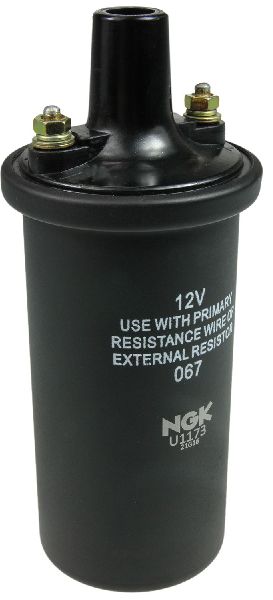
| Premium Aftermarket | NGK, Standard Ignition (SMP) | These brands are well-regarded for their quality and durability. NGK is a trusted name in ignition components, and Standard often exceeds OE specifications. For peace of mind, especially if you rely on your Jeep regularly, these are excellent choices. |
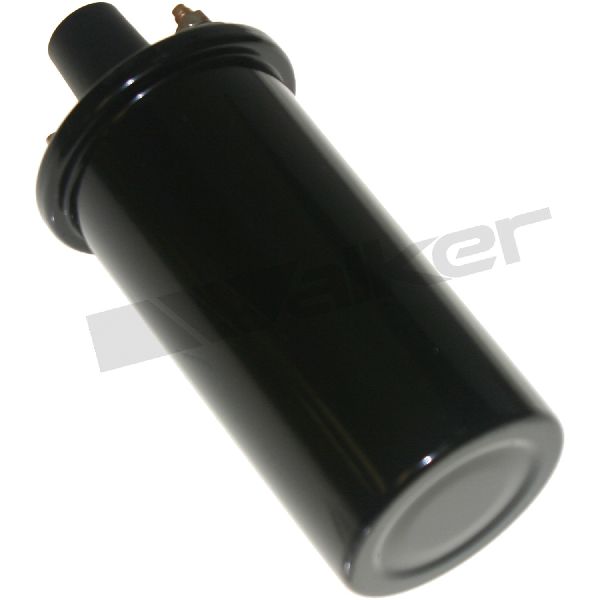
| Quality Aftermarket | Spectra, Walker Products | These are solid, reliable brands that offer a good balance of price and quality. They are a dependable choice for regular use and are often manufactured to meet or exceed original specs. |
| Value-Oriented | DriveWire, Global Parts, Skyward | These brands provide a functional, budget-friendly solution. They are a good option for a vehicle that is used less frequently or when budget is the primary concern. While they will get the job done, long-term durability may not match the premium brands. |
Pro Tip: Consider an Internal Resistor
Some ignition coils for these systems require an external ballast resistor (a white ceramic block usually found on the firewall), while others have the resistor built-in. If you are replacing a coil that uses an external resistor, you can simplify your wiring by choosing a new coil with an internal resistor. Just be sure to bypass the old external resistor if you do. Check the product description for phrases like "internal resistor included" or "for use with external resistor."
Frequently Asked Questions (FAQ)
Is replacing the ignition coil a DIY job?
Yes, this is a very easy job for a DIY mechanic. The ignition coil is typically mounted to the engine or firewall with a simple bracket. It involves disconnecting the battery, unplugging two small wires, removing the main coil-to-distributor wire, and unbolting the bracket. The entire process usually takes less than 30 minutes with basic hand tools.
Should I replace anything else with the ignition coil?
While you are working on the ignition system, it's a good time to inspect the other components. Check the distributor cap and rotor for cracks or carbon buildup, and inspect the spark plug wires for brittleness or damage. If you haven't replaced the points and condenser recently, it's a good idea to do so, as a failing condenser can cause symptoms similar to a bad coil.
Are there any recalls for the ignition coil on my Jeep Utility Wagon?
No, searches of the National Highway Traffic Safety Administration (NHTSA) database show no recalls or technical service bulletins (TSBs) related to the ignition coil for the 1956-1964 Jeep Utility Wagon. Any TSBs or recalls for modern Jeep "Wagoneer" models are not applicable to these vintage vehicles.
What are Diagnostic Trouble Codes (DTCs) and do they apply to my vehicle?
DTCs, like P0300 (misfire), are error codes stored by a vehicle's computer. Your 1956-1964 Utility Wagon was built before onboard computers and diagnostic ports existed. Therefore, it does not generate or store any trouble codes. Diagnosis must be done through observing symptoms and testing components manually.
Technical Specifications
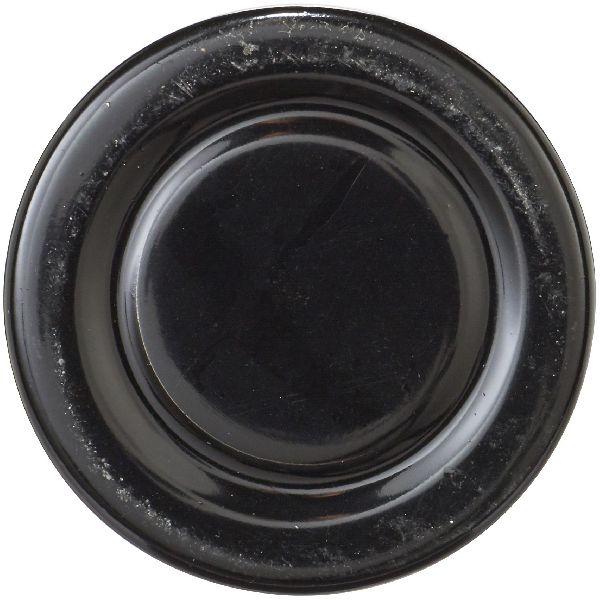
Canister-style, oil-filled ignition coil. Available for 6-volt or 12-volt systems, with or without an internal ballast resistor.
We Have This Part in Stock


The information in this article is provided for general reference and educational purposes only. Vehicle specifications, procedures, and part compatibility can vary by production date, trim level, and region. Always consult your vehicle's factory service manual and verify part numbers before purchasing or performing repairs. Safety-critical components such as airbags, seat belts, and braking systems should be installed by a qualified professional.