

A Guide to Spark Plug Wire Sets for the 1956-1962 Ford Escort
Keep your classic Escort's ignition system firing on all cylinders with the right set of new spark plug wires.
- Failing spark plug wires will cause noticeable issues like a rough idle, engine misfires, and reduced power.
- For this vehicle, aftermarket brands like Standard Wires are a reliable replacement option.
- Always replace wires one by one to ensure the engine's firing order is not mixed up.
- This is a simple and inexpensive DIY job that requires no special tools and can be completed in under an hour.
Symptoms of Failing Spark Plug Wires
The ignition system on a vehicle from this era is straightforward, and worn-out spark plug wires will cause noticeable problems. The insulation on the wires breaks down over time due to high engine heat and oil exposure. When this happens, the electrical energy can leak out before it reaches the spark plug, leading to a weak or inconsistent spark.
Common signs of bad spark plug wires include:
- Rough Idling: The engine may shake or vibrate more than usual when the car is stopped.
- Engine Misfires: You might feel a jerking or stumbling sensation while driving, especially during acceleration. A misfire means one or more cylinders are not firing correctly.
- Difficulty Starting: A weak spark can make it harder for the engine to turn over and start.
- Reduced Power and Acceleration: Your Escort may feel sluggish and slow to respond when you press the gas pedal.
- Visible Damage: A visual inspection may reveal cracks, melting, or burn marks on the wire jackets or boots.
Check Engine Light
Vehicles from the 1956-1962 model years are not equipped with a check engine light or the onboard diagnostic (OBD) systems found in modern cars. You must rely on listening to the engine and feeling how the car drives to diagnose problems.
Choosing the Right Aftermarket Wires
For a 1956-1962 Ford Escort, finding original equipment (OEM) parts is not possible. However, quality aftermarket options are available that meet or exceed original specifications. The key is to get a wire set that is the correct length and has the proper boots for the distributor cap and spark plugs to ensure a secure fit.
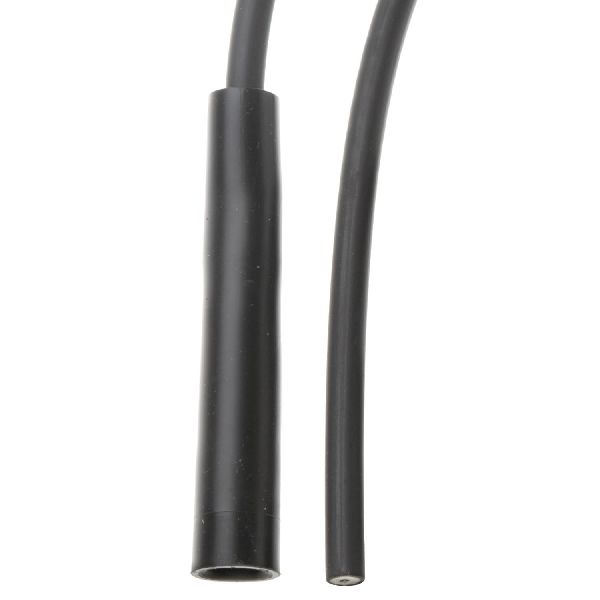
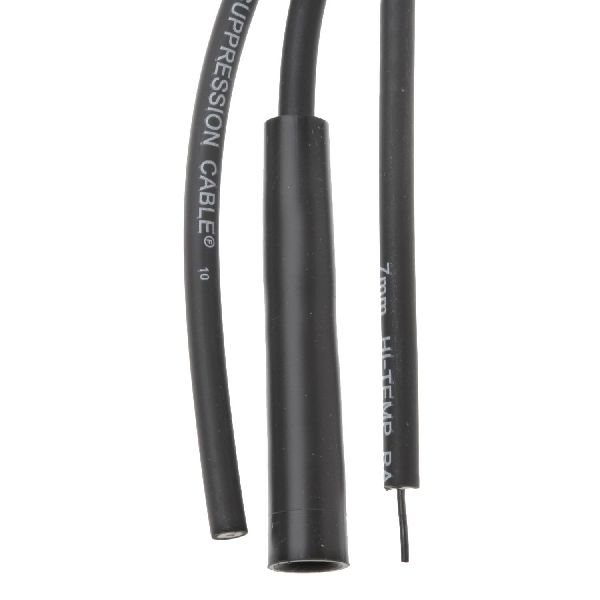
Standard Wires: This brand is a common and reliable choice for replacement ignition parts. Standard Motor Products (SMP) manufactures direct-fit wire sets designed to restore original performance. Forum users and mechanics often report good results with Standard wires on older Ford vehicles, noting their durability and proper fit. These wires are made to handle high temperatures and prevent voltage leaks, making them a solid choice for a daily driver or restoration project.
Pro Tip: Replace Wires One at a Time
To avoid mixing up the engine's firing order, it is best to replace one spark plug wire at a time. Remove an old wire, match its length to a new one from the set, and install the new wire in the same position on the distributor cap and spark plug. Repeat this process for all wires.
| Part Type | Cost Range |
|---|---|
| New Aftermarket (Standard Wires) | $28.15 - $39.42 |
| Shop Labor | $50 - $100 |
Frequently Asked Questions
How often should I replace my spark plug wires?
For older vehicles, a good rule of thumb is to inspect your spark plug wires during every major tune-up and replace them every 30,000 to 50,000 miles, or if you see any signs of wear and tear like cracking or brittleness. It is often recommended to replace the wires at the same time as the spark plugs.
Can I use wires from a different car?
No, you should always use a wire set designed specifically for your vehicle's year, make, and model. This ensures the wires are the correct length and have the right boots to connect securely to the distributor and spark plugs. Using the wrong wires can lead to poor fitment, arcing, and engine damage.
Do I need special tools to replace spark plug wires?
No special tools are typically required. A set of spark plug wire pliers can make it easier to remove stubborn boots without damaging them, but often they can be removed by hand with a firm twisting and pulling motion. A small amount of dielectric grease applied to the inside of the new boots can make installation easier and help seal out moisture.
What does the diameter of the wire (e.g., 7mm or 8mm) mean?
The diameter refers to the thickness of the wire's outer insulation. While a thicker wire can offer more insulation and durability, the most important factor for a stock engine is using a quality wire set that is designed for the vehicle. For a standard 1956-1962 Escort, a 7mm wire set is perfectly adequate.
Technical Specifications
Wire sets for this era typically use a carbon or spiral-wound core for RFI suppression and a silicone jacket for heat resistance. Boots are designed to fit specific distributor cap towers and spark plug terminals.
We Have This Part in Stock

The information in this article is provided for general reference and educational purposes only. Vehicle specifications, procedures, and part compatibility can vary by production date, trim level, and region. Always consult your vehicle's factory service manual and verify part numbers before purchasing or performing repairs. Safety-critical components such as airbags, seat belts, and braking systems should be installed by a qualified professional.