

Universal Joint Replacement Guide for the 1956-1958 Mercury Medalist
Eliminate driveshaft vibrations and clunking noises by choosing the correct new U-joints for your classic Mercury.
- Failing U-joints give warnings like clunking, squeaking, and vibrations; do not ignore them to avoid a complete failure.
- For a classic like the Medalist, high-quality aftermarket brands like Dana Spicer or SKF are excellent choices and often better than the 1950s originals.
- It is strongly recommended to replace both U-joints at the same time to ensure a balanced and reliable driveline.
- While DIY replacement is possible with the right tools (a press or vise), improper installation can damage the driveshaft.
Symptoms of a Failing Universal Joint
Because U-joints are wear items, they will eventually fail from age, use, or lack of lubrication. For a classic car like the 1956-1958 Medalist, it's important to recognize the warning signs before a complete failure leaves you stranded. A total U-joint failure can cause the driveshaft to detach from the car, potentially causing significant damage.
Key Failure Symptoms:
- Clunking or Banging Noises: A common first sign is a "clunk" or "bang" when you shift from park into drive or reverse. This is caused by excessive play in the worn-out joint.
- Squeaking at Low Speeds: A rhythmic squeaking noise that matches your wheel speed, especially under 10 mph, points to a dry, failing U-joint. The internal needle bearings have lost their grease and are now running metal-on-metal.
- Vibrations While Driving: As the U-joint wears further, it can throw the driveshaft out of balance, causing a vibration that gets worse as you increase speed. This is often felt through the floor of the car.
- Visible Rust or Looseness: If you can get under the car, look for rust-colored dust around the U-joint caps. You can also put the car in neutral (with the parking brake on and wheels chocked) and try to twist the driveshaft by hand. Any noticeable play or looseness in the joints indicates they need replacement.
Choosing the Right Aftermarket U-Joint
For a vehicle from the 1950s, original OEM parts are no longer manufactured. Fortunately, today's aftermarket U-joints from reputable brands are made with modern materials and often exceed the quality of the originals. Your Medalist uses two U-joints on its driveshaft. When shopping, you'll find several quality tiers available.
Brand Quality Tiers
- Best (Professional Grade): Brands like Dana/Spicer are often the original equipment manufacturer for many American cars and are considered a top-tier choice for durability and fit. They are a go-to for professional mechanics and restorers.
- Better (Premium Aftermarket): Brands like Moog and SKF have a strong reputation for quality chassis and driveline parts. They are excellent, reliable choices that often meet or exceed original specifications. Some users have noted a decline in Moog's quality in recent years, but many still trust the brand.
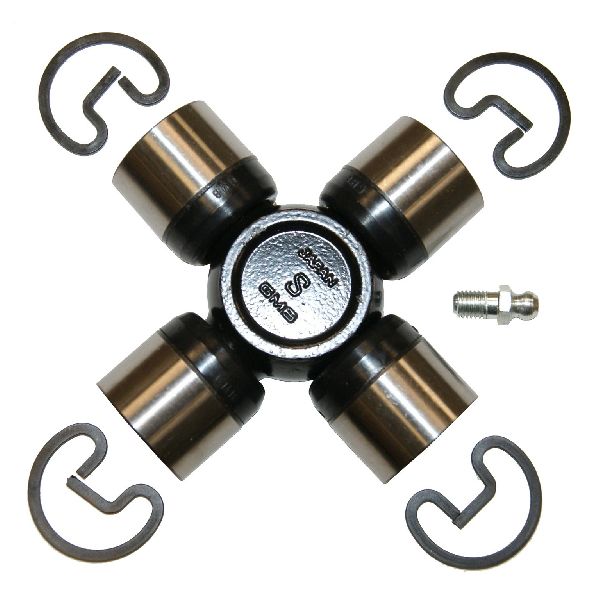
- Good (Standard Replacement): GMB is a well-known manufacturer that produces reliable, budget-friendly U-joints. These are a solid choice for a standard replacement on a car that sees regular, but not extreme, use.
Greasable vs. Sealed U-Joints
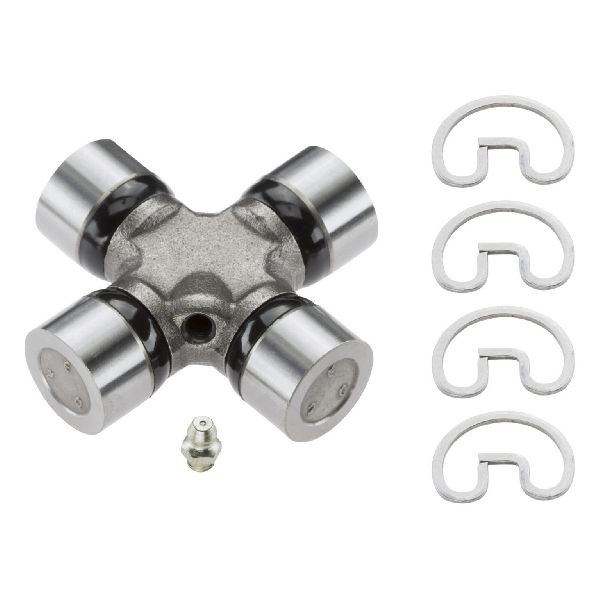
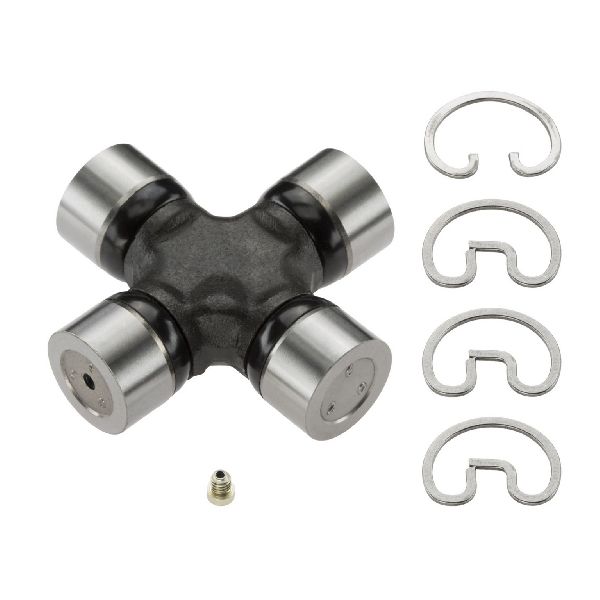
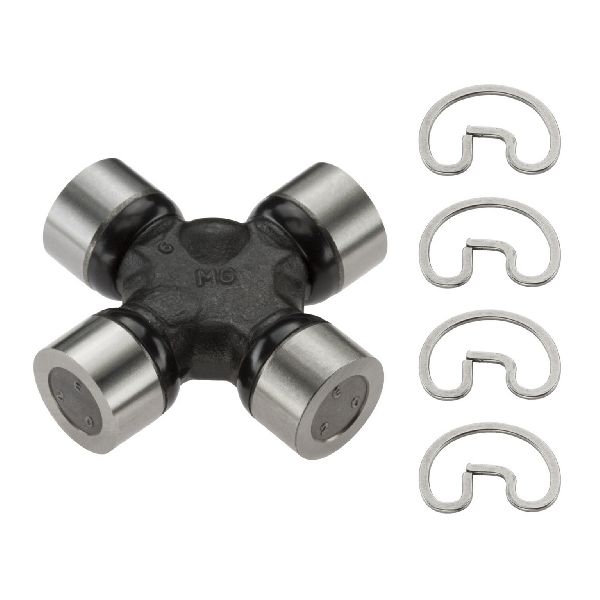
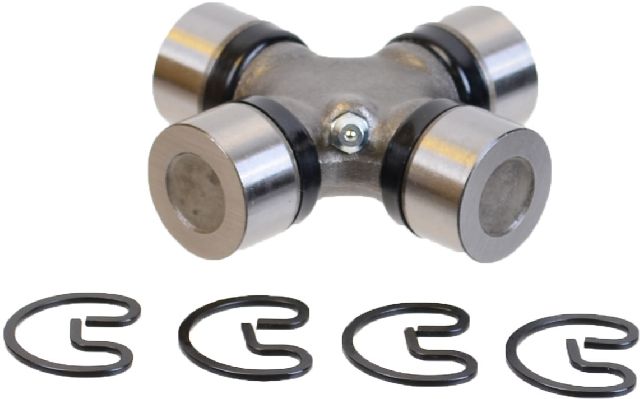
You will see options for both greasable (with a zerk fitting) and non-greasable (sealed) U-joints. Sealed joints are preferred by many because they are filled with high-quality grease at the factory and require no maintenance, much like the original parts. Greasable joints can last a very long time but must be greased regularly as part of your maintenance schedule. For a classic car that may not be driven daily, a high-quality sealed joint from a brand like Spicer is often the most reliable, "fit-and-forget" option.
Typical Replacement Costs
The cost to replace the U-joints on your Medalist will depend on the brand of parts you choose and whether you do the work yourself or hire a professional mechanic.
| Item | Estimated Cost |
|---|---|
| Aftermarket Universal Joint (1) | $18.53 - $50.04 |
| Shop Labor (Per Joint) | $100 - $250 |
| Total Per Joint (Professionally Installed) | $118 - $300 |
Frequently Asked Questions
How many U-joints does my 1956-1958 Medalist have?
Your Mercury Medalist has a single driveshaft with two universal joints: one at the transmission end (front) and one at the differential end (rear). It is highly recommended to replace both at the same time.
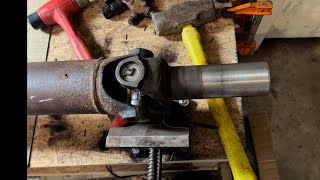
Can I replace a U-joint myself? 🎬 Watch this guide on replacing U-joints without using special tools.
Yes, this is a DIY-feasible job for someone with mechanical experience. However, it requires removing the driveshaft and using a bench vise and sockets or a hydraulic press to carefully press the old joints out and the new 🎬 See how to swap U-joints using basic garage equipment. ones in without damaging the driveshaft yokes. 🎬 Learn troubleshooting tips for when a U-joint replacement gets difficult. If you are not comfortable with this process, it is best to have a professional shop perform the replacement.
Do I need to balance the driveshaft after replacing the U-joints?
If the driveshaft is handled carefully and the U-joints are installed correctly, re-balancing is not always necessary. However, if you are chasing a persistent vibration, it is a good idea to have the driveshaft professionally balanced after installing new joints to ensure smooth operation at all speeds.
Are there any recalls for the U-joints on my Mercury Medalist?
No, there are no recalls listed with the National Highway Traffic Safety Administration (NHTSA) for this issue. The NHTSA's records generally begin with vehicles manufactured in 1966 and later.
Helpful Videos
Technical Specifications
OEM Part Numbers: C3AZ-4635-C C3AZ-4635-E C3AZ-4635-H C3AZ-4635-M
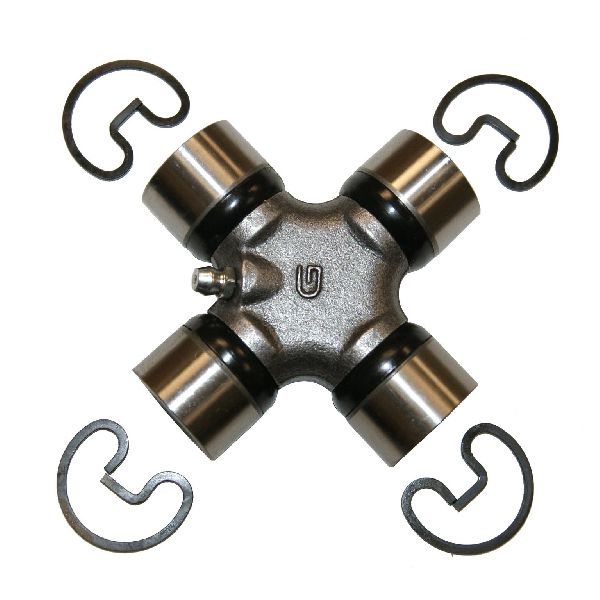
The 1956-1958 Mercury Medalist typically uses an outside snap ring style U-joint. Common bearing cap diameters are around 1.062 inches with a width of approximately 3.219 inches. Always verify the exact measurements for your specific vehicle before ordering.
We Have This Part in Stock

The information in this article is provided for general reference and educational purposes only. Vehicle specifications, procedures, and part compatibility can vary by production date, trim level, and region. Always consult your vehicle's factory service manual and verify part numbers before purchasing or performing repairs. Safety-critical components such as airbags, seat belts, and braking systems should be installed by a qualified professional.