

1956 Studebaker Flight Hawk HVAC Heater Hose Guide
Keep your classic Flight Hawk's cabin warm and its engine safe by understanding when and how to replace your heater hoses.
- A failing heater hose can cause anything from a loss of cabin heat to critical engine overheating.
- For this vehicle, a new aftermarket hose from a brand like Gates is superior to any New Old Stock (NOS) part due to the age of the rubber.
- Symptoms include coolant leaks, a sweet smell, no cabin heat, and visible damage like cracks or bulges.
- Always replace heater hoses in pairs and install new hose clamps to prevent future leaks.
Signs of a Failing Heater Hose on Your Flight Hawk
On a classic car like the 1956 Flight Hawk, rubber components are often the first to fail due to age. A heater hose failure can range from a minor annoyance to a critical problem that can cause severe engine damage. Knowing the warning signs is key.
- Coolant Leaks: The most common symptom. You may find puddles of green or yellowish, sweet-smelling liquid under the engine bay or on the passenger-side floorboard if the leak is near the firewall.
- Sweet Smell: Antifreeze has a distinct syrupy odor. Smelling this inside or outside the car is a sure sign of a coolant leak.
- Engine Overheating: A significant hose leak will lower the coolant level, causing the engine's temperature gauge to rise. Continuing to drive an overheating engine can lead to catastrophic failure.
- No Cabin Heat: If a hose is clogged, collapsed, or leaking significantly, not enough hot coolant will reach the heater core, leaving you with no heat.
- Visible Hose Damage: Inspect the hoses. Cracks, splits, bulges, or spongy, soft spots are clear signs that the hose is deteriorating and needs immediate replacement.
Choosing the Right Aftermarket Hose
For a 1956 vehicle, finding original factory parts is nearly impossible. Any "New Old Stock" (NOS) parts you might find are now 70 years old, and the rubber is likely brittle and unreliable. A modern aftermarket hose is the best and safest choice.
Brand Spotlight: Gates
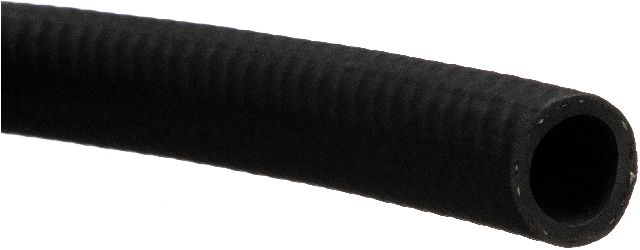
Gates is a well-established brand that produces high-quality aftermarket belts and hoses for a wide range of vehicles, including classics. Their products are made with modern rubber compounds designed to meet or exceed original specifications, offering better resistance to heat and oil than the original materials. For the Flight Hawk, which was equipped with a 185.6 cu in six-cylinder engine, a universal or pre-formed hose designed for this application is the standard replacement.
Pro Tip: Replace in Pairs with New Clamps
Heater hoses are sold individually, but it is highly recommended to replace both the inlet and outlet hoses at the same time. They have been exposed to the same conditions for the same amount of time. Always install new hose clamps to ensure a tight, leak-free seal, as old clamps can lose their tension.
Estimated Replacement Costs for Your Flight Hawk
The cost to replace a heater hose is minimal compared to the potential cost of engine damage from overheating. The part itself is affordable, and if you have basic mechanical skills, you can save on labor costs.
| Part Type | Estimated Cost |
|---|---|
| New Aftermarket (Gates) | $81.22 |
| Shop Labor | $100 - $200 |
Frequently Asked Questions (FAQ)
Can I replace the heater hose on my 1956 Flight Hawk myself?
Yes, this is a very DIY-friendly job for most home mechanics. Access in the engine bay of a 1950s Studebaker is generally excellent. The process involves partially draining the coolant, removing the old clamps and hoses, fitting the new ones, and then refilling and bleeding any air from the cooling system.
Should I use a molded or a universal heater hose?
If a direct-fit molded hose is available, it is often the easiest option as it is pre-bent to the correct shape. However, for many classic cars, a high-quality universal hose cut to the proper length is a perfectly acceptable and common solution. Ensure the hose does not kink or rub against other components.
What type of coolant should I use in my Flight Hawk?
For a classic vehicle like the 1956 Studebaker, a traditional "old school" green ethylene glycol-based coolant is the correct choice. Do not use modern orange, pink, or purple coolants (like Dex-Cool), as their chemical composition can damage the solder and metals in the original radiator and heater core.
Are there any recalls for the 1956 Flight Hawk heater system?
No. There are no active recalls or technical service bulletins (TSBs) from the NHTSA related to the HVAC or heater hoses for this vehicle, which is typical for a car of this era.
Technical Specifications
OEM Part Numbers: 532875X2
The 1956 Flight Hawk uses a standard hose, likely 5/8" or 3/4" in diameter, to connect the 185.6 cu in 6-cylinder engine to the heater core.
We Have This Part in Stock

The information in this article is provided for general reference and educational purposes only. Vehicle specifications, procedures, and part compatibility can vary by production date, trim level, and region. Always consult your vehicle's factory service manual and verify part numbers before purchasing or performing repairs. Safety-critical components such as airbags, seat belts, and braking systems should be installed by a qualified professional.