

1956 Jeep 475 Ignition Contact Set: A Comprehensive Guide
Keep your classic 1956 Jeep 475 running smoothly by understanding its ignition contact set.
- The ignition contact set (points) is a critical wear item that needs regular inspection and replacement.
- Symptoms of failure include no-start, rough running, stalling, and poor acceleration.
- Always replace the condenser at the same time as the points for a reliable repair.
- Set the point gap precisely to 0.020 inches using a feeler gauge for optimal performance.
Understanding the Ignition System in Your Vintage Jeep
The 1956 Jeep 475, part of the Willys-Jeep Truck lineup, uses a straightforward and robust ignition system. Unlike modern vehicles with computer-controlled electronic ignition, your truck relies on a mechanical set of ignition points to time the spark that ignites the fuel. This system is reliable and relatively easy to troubleshoot with basic tools, a major advantage for a classic vehicle. However, because the points are a mechanical wear item, they require periodic inspection, adjustment, and replacement to keep your Jeep dependable.
OEM Parts Are No Longer Available
For a vehicle of this age, new Original Equipment Manufacturer (OEM) parts are virtually nonexistent. The market is served exclusively by new aftermarket manufacturers. Fortunately, brands like Standard Ignition have a long history of producing quality ignition components for classic American vehicles.
Common Symptoms of a Failing Ignition Contact Set
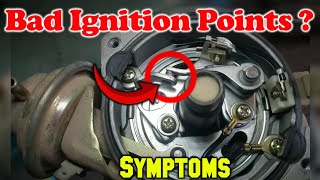
Ignition points wear out over time. The constant opening and closing can cause the contact surfaces to become pitted, burned, or worn down. When this happens, you'll notice clear signs of a problem.
🎬 Watch this guide on identifying classic car ignition symptoms.- Engine Won't Start: This is a critical symptom. If the points are completely failed, improperly gapped, or too worn, they can't generate the necessary spark to start the engine.
- Rough Idle and Stalling: Worn or dirty points can cause an inconsistent spark, leading to a shaky idle and a tendency for the engine to stall at stops.
- Engine Misfires and Poor Acceleration: You might feel the engine stutter or hesitate when you press the gas. This is often due to a weak or inconsistent spark from failing points, which results in a noticeable loss of power.
Choosing the Right Aftermarket Ignition Contact Set
When shopping for a replacement, quality is key. While several brands may be available, focusing on established names is your best bet.
Standard Ignition (Standard Motor Products - SMP): Standard is a well-regarded brand that has been making ignition parts for decades. Their "Blue Streak" line is often considered a premium quality option. For classic American vehicles like your Jeep 475, Standard Ignition parts are generally considered a reliable, high-quality choice that meets original design specifications.
Always Replace the Condenser with the Points
The condenser is a small capacitor that works with the points to prevent them from arcing and burning out prematurely. A failing condenser can cause similar symptoms to bad points. For a reliable repair, it is highly recommended to replace the condenser every time you replace the ignition contact set.
| Part Type | Price Range |
|---|---|
| New Aftermarket (Standard Ignition) | $21.53 - $22.84 |
| Shop Labor | $60 - $120 |
Cost estimates are for the part only and do not include taxes or shipping. Labor costs are estimates and can vary by location and shop.
Frequently Asked Questions (FAQ)
How often should I replace my ignition points?
For a vintage vehicle, it's good practice to inspect the points during every major tune-up or at least once a year. Traditionally, points were checked or replaced every 6,000 to 12,000 miles. They should be replaced if they appear pitted, burned, or heavily worn.
What is the correct point gap for my Jeep 475?
The correct point gap is critical for engine performance. For the Willys engines used in this era, the typical gap is 0.020 inches. Always use a feeler gauge to set this gap precisely when the points are on the highest point of the distributor cam lobe.
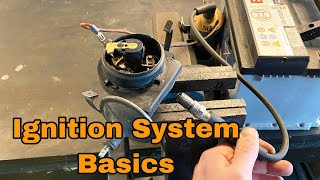
🎬 Learn how to adjust and troubleshoot your points ignition system.What tools do I need to replace the ignition contact set?
Replacing the points is a job that requires basic hand tools like screwdrivers and wrenches. The most important specialized tool is a feeler gauge, which is essential for setting the correct point gap. Some owners also use a dwell meter for more precise adjustment.
Should I convert to electronic ignition?
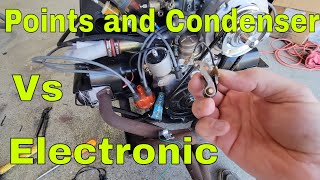
Many owners of classic vehicles consider upgrading to an electronic ignition kit, which replaces the points and condenser with a solid-state module. Electronic systems require less maintenance and provide a more consistent spark. However, a traditional points system is very reliable when properly maintained and is much easier to diagnose and repair on the side of the road with simple tools. For originality and ease of repair, sticking with a quality set of points is a perfectly valid choice.
🎬 Compare the pros and cons of points versus electronic ignition.Helpful Videos
Technical Specifications
Point Gap: 0.020 inches (0.51 mm)
We Have This Part in Stock


The information in this article is provided for general reference and educational purposes only. Vehicle specifications, procedures, and part compatibility can vary by production date, trim level, and region. Always consult your vehicle's factory service manual and verify part numbers before purchasing or performing repairs. Safety-critical components such as airbags, seat belts, and braking systems should be installed by a qualified professional.