

Engine Oil Pressure Switch & Sending Unit Guide for 1955-1972 Chrysler 300
Understanding the difference between a switch and a sender is key to keeping your classic Chrysler's engine safe.
- First, confirm if your car has a warning light (needs a 'switch') or a gauge (needs a 'sending unit').
- A flickering or constantly lit oil light is a major warning; immediately verify your engine's oil level and pressure.
- A leaking switch is a clear sign of failure and must be replaced.
- For this part, a quality aftermarket brand like Standard Ignition offers excellent reliability and value.
Is Your Oil Pressure Light Lying to You?
The oil pressure light is one of the most serious warnings you can see on your dashboard. However, on a classic car like the 1955-1972 Chrysler 300, the switch that controls this light can fail. A faulty switch can give you a false sense of security or a false alarm, making it a crucial part to replace when it shows signs of trouble. Common symptoms include a flickering oil light, a light that stays on even with a proper oil level, or a light that never comes on during the initial key turn. Sometimes, the switch itself can leak oil, which is a clear sign it needs replacement.
Distinguishing a Switch from a Sending Unit
Before you buy, you must know what your car has. It's simple:
- Warning Light on Dash: Your car uses an Engine Oil Pressure Switch. This is a simple, two-state device (on/off).
- Pressure Gauge on Dash: Your car uses an Engine Oil Pressure Sending Unit. This is a more complex sensor that sends a variable signal to the gauge.
Pro Tip: Ordering the wrong part is a common mistake. Double-check your dashboard. A sending unit will not work correctly with a warning light, and a switch will not operate a gauge.
Choosing the Right Aftermarket Brand
For a straightforward part like an oil pressure switch on a vintage vehicle, you don't necessarily need an expensive OEM (Original Equipment Manufacturer) or NOS (New Old Stock) part. Quality aftermarket brands offer reliable performance. Here’s a look at the available options:
| Brand Tier | Brand(s) | Our Assessment |
|---|---|---|
| Premium Aftermarket | Standard Ignition (Standard Motor Products) | Standard Ignition is a highly respected name in the aftermarket, known for producing parts that meet or exceed OEM specifications. They are often a top choice for professional mechanics and restorers due to their reputation for quality and durability. |
| Standard Aftermarket | Rostra Powertrain | Rostra is a well-established manufacturer of powertrain electronics, including sensors and switches. They are known for producing reliable standard replacement parts and are a solid choice for most repairs. |
| Economy | Global Parts | Economy brands are the most budget-friendly option. For a simple switch, this can be a viable choice, but long-term durability and the precision of the pressure activation point might not match premium brands. |
Known Issues for 1955-1972 Chrysler 300
Given the age of these vehicles, there are no active recalls or Technical Service Bulletins (TSBs) from the NHTSA for this specific part. Most issues are age-related. The internal diaphragm can wear out, causing incorrect readings, or the seals can fail, leading to oil leaks. On these classic engines, the switch is typically located on the engine block, often near the oil filter, making it relatively easy to access for inspection and replacement.
Frequently Asked Questions (FAQ)
Where is the oil pressure switch located on my Chrysler 300?
On most V8 engines from this era, the oil pressure switch (or sending unit) is typically screwed into the engine block near the distributor or the oil filter housing. It will have a single wire connected to it. Always consult a service manual for your specific year and engine for the exact location.
My oil light is on. How do I know if it's the switch or a real oil pressure problem?
STOP THE ENGINE IMMEDIATELY. Never assume it's just a bad switch. The safest way to check is to stop the engine, verify the oil level, and then have a mechanic test the actual oil pressure with a mechanical gauge. If the pressure is good, the switch is the likely culprit. Driving with low oil pressure can destroy your engine in minutes.
Can a bad oil pressure switch cause an oil leak?
Yes. Over time, the body of the switch or its internal seals can fail, causing oil to leak from the switch itself. You might see oil residue on the sensor or drips underneath the car. This is a definite sign that the switch needs to be replaced.
Can I replace the oil pressure switch myself?
Yes, this is a very DIY-friendly job for most home mechanics. It usually requires only a special deep socket for oil pressure switches and some thread sealant. The part is simply unscrewed from the engine block and the new one is screwed in, followed by reconnecting the single wire.
Technical Specifications
OEM Part Numbers: 2495222 3488609
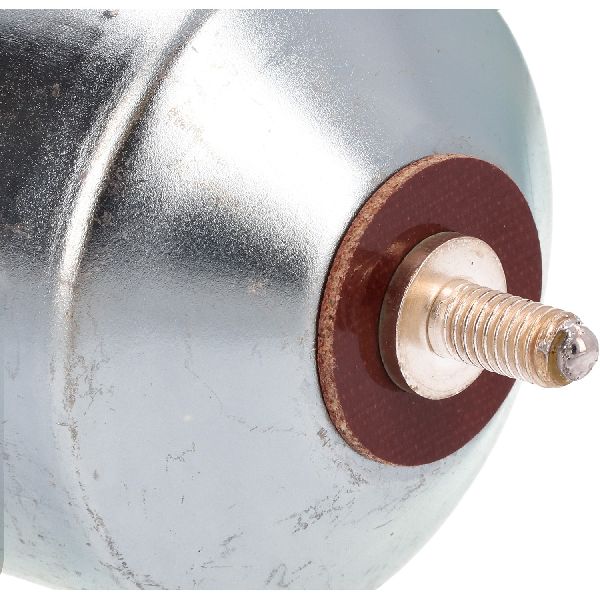
Typically features a 1/8 inch NPT thread size and a single terminal electrical connection. The primary difference between parts is whether it is a simple on/off switch for a light or a variable resistance sending unit for a gauge.
We Have This Part in Stock


The information in this article is provided for general reference and educational purposes only. Vehicle specifications, procedures, and part compatibility can vary by production date, trim level, and region. Always consult your vehicle's factory service manual and verify part numbers before purchasing or performing repairs. Safety-critical components such as airbags, seat belts, and braking systems should be installed by a qualified professional.