

Mercury Montclair Engine Coolant Bypass Hose Replacement Guide (1955-1968)
Keep your classic Montclair's V8 engine from overheating by understanding this critical cooling system hose.
- A failing bypass hose poses a critical risk of engine overheating; do not drive if you suspect a major leak.
- Modern aftermarket hoses from brands like Gates are superior in quality and durability to the original 1950s/60s parts.
- Always use a molded hose designed for your Montclair's specific engine; avoid generic or flexible hoses.
- When replacing the hose, it is critical to also replace the hose clamps to ensure a leak-free seal.
Signs of a Failing Coolant Bypass Hose
For a classic car like the 1955-1968 Mercury Montclair, rubber components are often the first parts to fail due to age. A bad bypass hose can lead to serious engine damage if ignored. Watch for these clear warning signs:
- Coolant Leaks: This is the most common symptom. You might see puddles of green or orange, sweet-smelling fluid under the engine bay. A small leak can be hard to spot, sometimes showing up only as a faint coolant smell or slow loss of coolant over time.
- Visible Hose Damage: Inspect the hose for cracks, splits, or swelling. If the hose feels mushy, spongy, or rock-hard when you squeeze it (with the engine cold), it is deteriorating internally and needs immediate replacement.
- Engine Overheating: A significant leak will cause the coolant level to drop, leading to your temperature gauge climbing into the red zone. This is a critical situation that can cause severe engine damage.
- Steam from Engine Bay: If a leak is bad enough, coolant can drip onto hot engine parts and turn into steam. You may see it coming from under the hood and smell a strong coolant odor.
Warning: Do Not Ignore Leaks
Even a small coolant leak is a serious issue. The cooling system is pressurized, and a small pinhole can quickly turn into a large split, causing rapid coolant loss and engine overheating.
Choosing the Right Aftermarket Bypass Hose
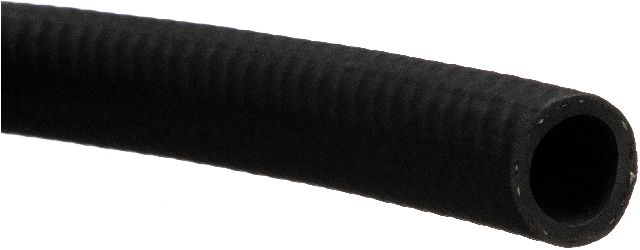
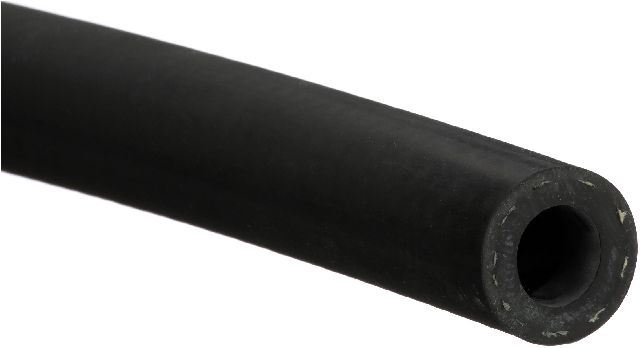
For a vehicle from the 1950s and 1960s, finding a New Old Stock (NOS) OEM hose is nearly impossible. The good news is that modern aftermarket hoses are a significant upgrade. Aftermarket is the standard, reliable choice for keeping these classics on the road.
OEM vs. Aftermarket Quality: Original hoses were made with rubber compounds that are far inferior to today's materials. Modern aftermarket brands use EPDM rubber, which is much more resistant to heat, oil, and electrochemical degradation—the leading cause of hose failure. A quality aftermarket hose from a reputable brand is more durable than the original part ever was.
Brand Spotlight: Gates
Gates is a well-regarded brand in the aftermarket for coolant hoses. They are known for producing molded hoses that are pre-shaped for a specific fit, which is crucial for routing around other engine components. Owners of similar classic Ford vehicles often praise Gates for good fitment and quality materials that resist collapse under pressure. Choosing a molded hose from a brand like Gates ensures a proper, leak-free seal and avoids the problems associated with trying to make a generic, straight hose fit.
Pro Tip: Replace the Clamps
When you replace any coolant hose, it's essential to replace the hose clamps as well. Old clamps can lose their tension over time and may not provide a secure seal, leading to new leaks. Using new, quality worm-drive or spring-style clamps is a cheap and easy way to ensure a reliable repair.
Typical Cost for Mercury Montclair Coolant Bypass Hose
The cost for a new aftermarket engine coolant bypass hose is reasonable, but labor costs can vary. This is a relatively simple job for a DIY mechanic.
| Part/Service | Estimated Cost |
|---|---|
| New Aftermarket Hose | $81.22 - $243.29 |
| Shop Labor | $90 - $180 |
| Total Estimated Cost | $171.22 - $423.29 |
Frequently Asked Questions
Can I use a universal or flexible hose?
It is strongly recommended to use a molded, vehicle-specific hose. Universal or flexible hoses may kink or rub against other components, leading to premature failure. A molded hose from a brand like Gates is designed with the correct bends for a perfect fit.
What does the Engine Coolant Bypass Hose do?
It circulates coolant through the engine when the thermostat is closed. This helps the engine warm up evenly and prevents hot spots that could damage internal components.
How often should I inspect my coolant hoses?
On a classic car like the Montclair, you should inspect all coolant hoses at least once a year or before any long trip. Check for cracks, swelling, or soft spots. As a preventative measure, consider replacing all coolant hoses every 4-5 years, regardless of their appearance.
Are there any recalls for the Montclair's cooling system?
No. There are no active recalls or widespread Technical Service Bulletins (TSBs) for the cooling system on a 1955-1968 Mercury Montclair. Any failures today are due to the age and wear of the original rubber components.
Technical Specifications
The Mercury Montclair was produced in two distinct periods: 1955-1957 and 1964-1968. Engine options and configurations changed significantly between these generations. It is essential to verify the exact molded hose shape required for your specific year and engine (e.g., 292, 312, 390 V8) before ordering.
We Have This Part in Stock

The information in this article is provided for general reference and educational purposes only. Vehicle specifications, procedures, and part compatibility can vary by production date, trim level, and region. Always consult your vehicle's factory service manual and verify part numbers before purchasing or performing repairs. Safety-critical components such as airbags, seat belts, and braking systems should be installed by a qualified professional.