

Chrysler Windsor Ignition Coil Guide: 1955-1961
Everything you need to know about choosing the right replacement ignition coil for your classic Chrysler Windsor.
- A failing coil causes no-start, misfiring, rough idle, and stalling.
- Replacement is a simple DIY job requiring basic tools and less than 30 minutes.
- Modern aftermarket coils from brands like Standard Ignition, NGK, or MSD are more reliable than original-style parts.
- This vehicle has no diagnostic codes; problems must be diagnosed by symptoms and testing.
Is Your Windsor's Ignition Coil Failing?
The original oil-filled ignition coils in these classic Chryslers can fail after 60+ years of heat and vibration. When the coil starts to go bad, the voltage it sends to the spark plugs becomes weak or inconsistent, leading to a variety of noticeable engine problems. Because it's a single coil system, a failure will affect the entire engine, not just one cylinder.
Choosing the Right Aftermarket Coil
For a 1955-1961 Chrysler Windsor, finding a New Old Stock (NOS) OEM coil is nearly impossible and would be very expensive. Modern aftermarket coils are the standard choice for both daily drivers and restorations. They are readily available, affordable, and often built with more durable epoxy potting compounds instead of the original oil-filled design, making them more reliable.
Here’s a breakdown of available aftermarket brands:
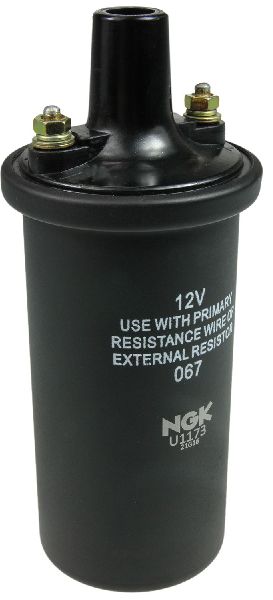
- Premium Standard Replacement: Brands like NGK and Standard Ignition (SMP) are known for producing high-quality parts that meet or exceed original specifications. They are an excellent choice for a stock restoration or reliable daily driving.
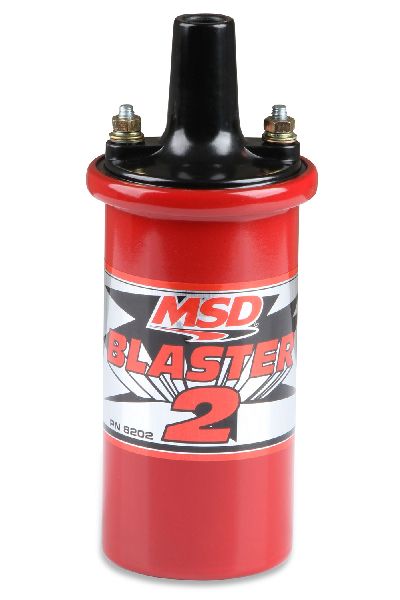
- Performance Upgrade: MSD (especially the Blaster II) and Accel are popular performance brands in the classic Mopar community. While designed for higher output, they work well with the stock points ignition system and are a great option if you plan to upgrade to an electronic ignition later. Some users note older Accel coils have a better reputation for longevity than some newer versions.
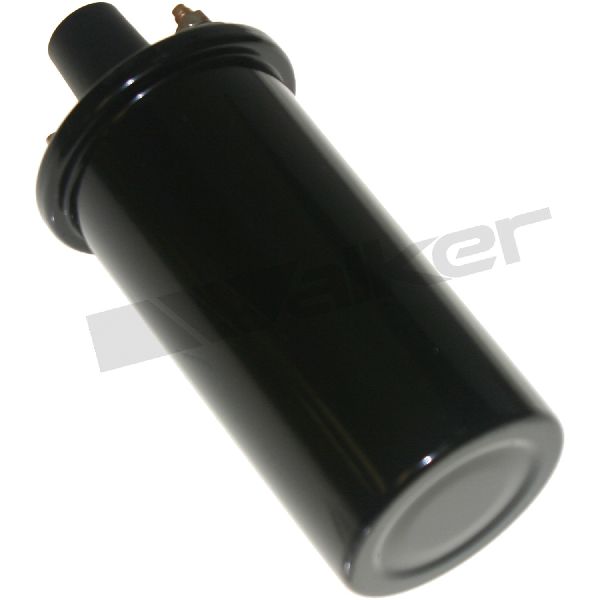
- Economy Brands: Brands like DriveWire, Global Parts, Spectra, and Walker Products offer a more budget-friendly option. While they will function, long-term durability may not match that of the premium or performance brands.
Pro Tip: When replacing the coil, it's also a good time to inspect or replace the points, condenser, and spark plug wires. These components work together, and a failure in one can affect the others.
Cost of a New Aftermarket Ignition Coil (1955-1961 Chrysler Windsor)
| Brand Tier | Price Range |
|---|---|
| Economy (DriveWire, Global Parts, etc.) | $27 - $40 |
| Standard Replacement (Standard Ignition, NGK) | $40 - $65 |
| Performance (Accel, MSD) | $65 - $86 |
Frequently Asked Questions
How difficult is it to replace the ignition coil on my Windsor?
It is a very easy job that most owners can do themselves. The coil is mounted on the engine or firewall and is easily accessible. It involves disconnecting the battery, removing two small wires and the main coil wire, and unbolting the coil's mounting bracket. The entire process typically takes less than 30 minutes.
Do I need a special tool to replace my ignition coil?
No special tools are required. You will only need basic hand tools, such as a wrench or socket set to remove the mounting bracket bolts and the nuts on the coil's primary terminals.
My new coil looks different from the original. Can I still use it?
Yes. Many modern aftermarket coils are slightly smaller in diameter than the original oil-filled canisters. They are functionally identical and will work perfectly. You may just need to ensure the mounting bracket clamps down securely on the new coil.
Are there any recalls for the ignition coil on my 1955-1961 Chrysler Windsor?
No. There are no active recalls or technical service bulletins (TSBs) from Chrysler or the NHTSA for ignition coil issues on this vehicle, which is typical for a car of this age.
Technical Specifications
System Voltage: 12V Style: Canister (Oil-Filled or Epoxy-Filled) Ignition Type: Points & Condenser (Stock)
We Have This Part in Stock


The information in this article is provided for general reference and educational purposes only. Vehicle specifications, procedures, and part compatibility can vary by production date, trim level, and region. Always consult your vehicle's factory service manual and verify part numbers before purchasing or performing repairs. Safety-critical components such as airbags, seat belts, and braking systems should be installed by a qualified professional.