

Chevrolet Nomad Universal Joint Replacement Guide: 1955-1961
Diagnose and choose the right replacement U-joint for your classic 1955-1961 Nomad's driveshaft.
- A clunking noise when shifting into gear is the most common sign of a bad U-joint.
- For a durable, maintenance-free repair, choose a high-quality sealed (non-greaseable) U-joint from a brand like Spicer or Moog.
- It is strongly recommended to replace both U-joints on the driveshaft at the same time.
- Driving with a severely worn U-joint is dangerous and can lead to the driveshaft detaching from the vehicle.
Symptoms of a Failing Universal Joint
A worn U-joint gives clear warning signs. Ignoring them can lead to a disconnected driveshaft, which can cause serious damage to the underside of your car and leave you stranded. Listen and feel for these symptoms:
- Clunking or Pinging Noise: A sharp 'clunk' or 'ping' when you shift from park into drive or reverse is the most common sign. This is caused by excessive play in the worn joint.
- Vibration While Driving: A vibration that you can feel through the floor or seat of the car, especially at certain speeds, points to a failing U-joint. This vibration occurs because the worn joint is allowing the driveshaft to become unbalanced.
- Squeaking Noise: A rhythmic squeak that gets faster as you accelerate is often a sign that the needle bearings inside the U-joint have lost their lubrication and are failing.
Choosing the Right Aftermarket U-Joint
For a vehicle like the 1955-1961 Nomad, original GM-stamped parts are not readily available. However, the aftermarket offers excellent, high-quality replacements that often exceed original specifications. The main choice you will face is between a premium heavy-duty part and a standard replacement, and whether to get a greaseable or sealed joint.
Greaseable vs. Sealed U-Joints
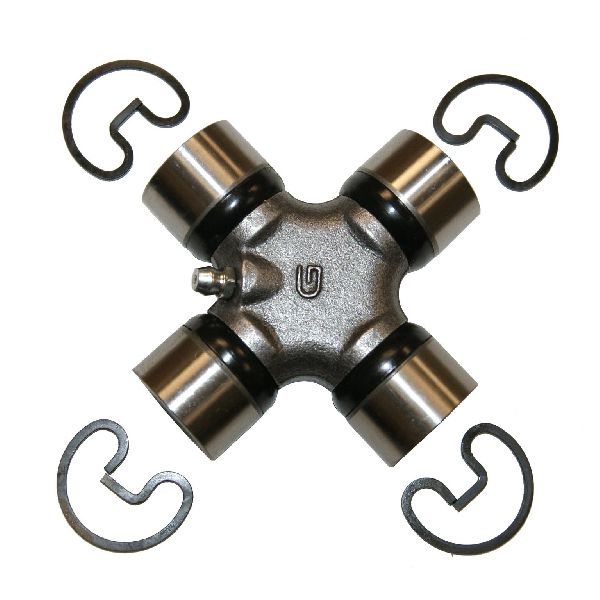
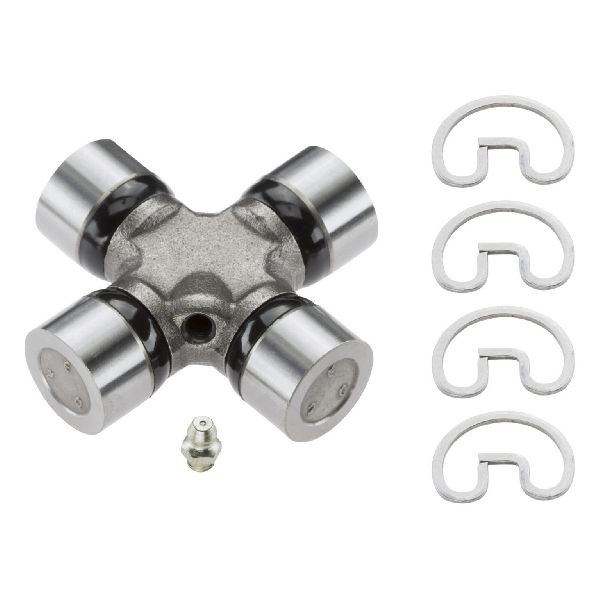
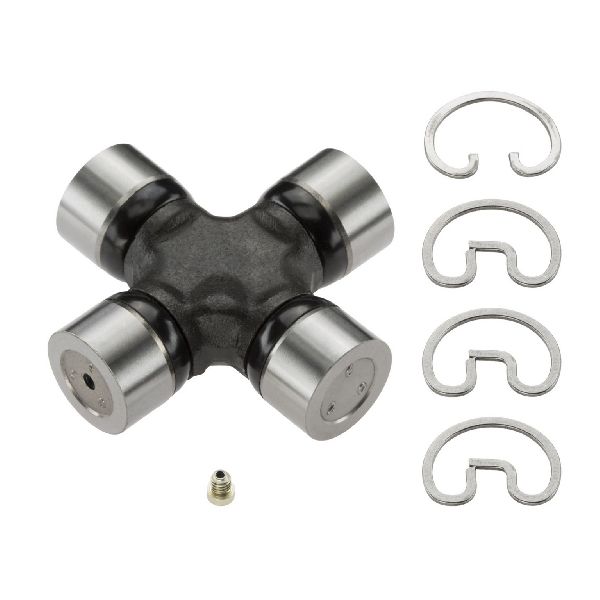
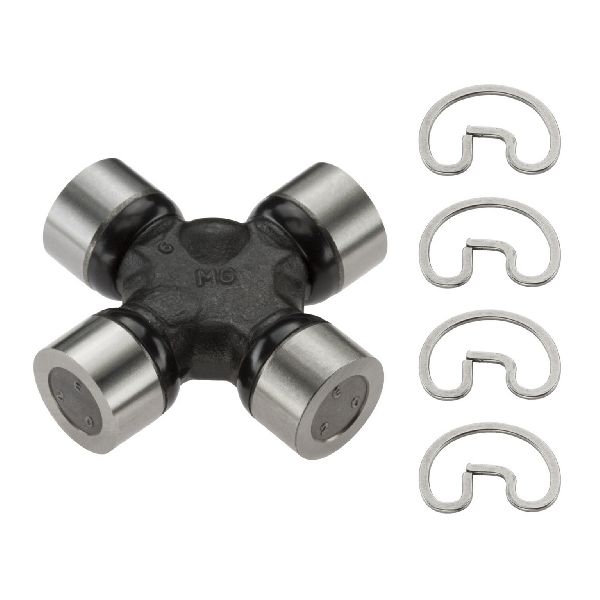
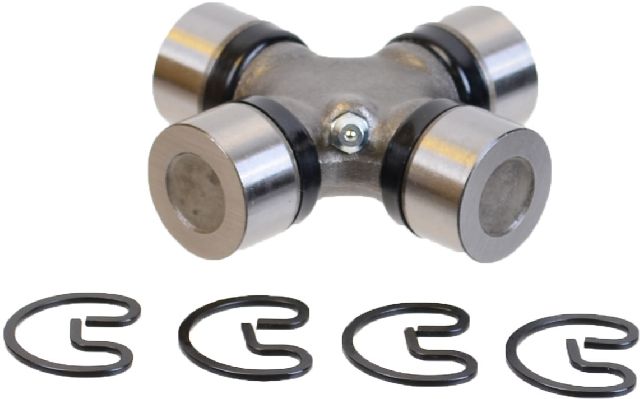
Original U-joints were often sealed (non-greaseable). Many high-quality replacements are also sealed. These are typically stronger because the cross-shaped body isn't drilled for a grease fitting (zerk), which can be a weak point. However, greaseable U-joints allow you to perform regular maintenance by adding fresh grease, which can flush out contaminants and potentially extend the part's life if done regularly. For most Nomad owners, a high-quality sealed joint from a top brand is a durable, maintenance-free option.
Brand Quality Tiers
Based on owner experiences and brand reputation in the classic car community, aftermarket U-joints can be grouped into tiers.
Tier 1: High Performance & Heavy Duty
These brands are for owners who want the absolute best in durability and strength, suitable for both original restorations and modified vehicles.
- Spicer/Dana: Widely considered the gold standard. Spicer was an original supplier to GM and their aftermarket parts are known for exceptional quality and durability. Many experienced mechanics and restorers will use nothing else.
- Yukon Gear & Axle: Known for high-performance and off-road parts, Yukon U-joints are built for extreme strength. This is a top-tier choice that provides maximum durability, though it may be overkill for a stock Nomad.
Tier 2: Quality OEM-Style Replacements
These brands offer a good balance of quality, performance, and price, making them solid choices for a daily or weekend driver.
- Moog: A well-known name in chassis parts, Moog offers strong, reliable U-joints that are often considered a good upgrade over stock. While their quality is generally respected, some users have reported occasional inconsistencies.
- SKF: As a major bearing manufacturer, SKF produces quality U-joints that are a reliable choice for replacement. They are a trusted name for OEM-quality parts.
Tier 3: Standard/Value
This brand is a cost-effective option for getting a car back on the road, but may not have the same longevity or strength as higher-tier brands.
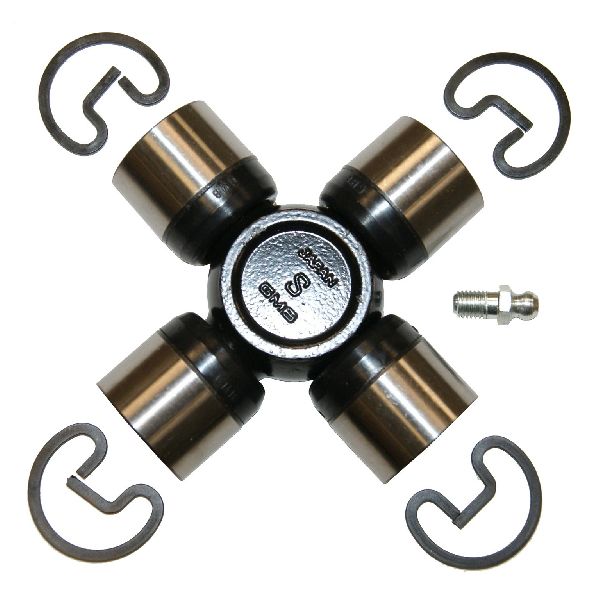
- GMB: GMB markets its parts as meeting or exceeding OEM specifications. However, some user reviews from classic car forums suggest potential quality issues, placing them as a budget-friendly choice.
Estimated Costs for Universal Joint Replacement
| Part Type | Estimated Cost |
|---|---|
| New Aftermarket U-Joint | $18.53 - $39.08 (per joint) |
| Shop Labor | $150 - $250 |
| New OEM (GM) | Not Available |
| Used OEM | Not Recommended |
Labor costs can vary based on your location and the shop's hourly rate. A typical U-joint replacement takes between 1.5 and 2.5 hours. Your Nomad has two U-joints on its driveshaft; it is highly recommended to replace both at the same time.
Frequently Asked Questions
How many U-joints does my 1955-1961 Nomad have?
Your Nomad has a one-piece driveshaft that uses two universal joints: one at the front connecting to the transmission and one at the rear connecting to the differential. It is best practice to replace both at the same time.
Can I replace the U-joints myself?
Yes, this is a job that can be done at home if you have mechanical experience, a good set of tools (including a sturdy vise and sockets or a U-joint press), and proper safety equipment like jack stands. It can be a difficult job if the old joints are rusted in place. If you are not comfortable, it is best to have a professional mechanic perform the replacement.
Are there any recalls for my Nomad's U-joints?
No, there are no active recalls or Technical Service Bulletins (TSBs) from the NHTSA for universal joints on the 1955-1961 Chevrolet Nomad. Recalls are very rare for vehicles of this age.
What is a 1310 series U-joint?
"1310" is a standard size for universal joints. The 1955-1961 Nomad uses a 1310 series U-joint. This ensures that the replacement part has the correct dimensions (approximately 3.219" width and 1.062" cap diameter) to fit your vehicle's driveshaft and yokes.
Technical Specifications
Series: 1310; Bearing Cap Diameter: 1.062 inches (27mm); Width (Outside of Clip to Outside of Clip): 3.219 inches (81.8mm); Style: Outside Snap Ring
We Have This Part in Stock

The information in this article is provided for general reference and educational purposes only. Vehicle specifications, procedures, and part compatibility can vary by production date, trim level, and region. Always consult your vehicle's factory service manual and verify part numbers before purchasing or performing repairs. Safety-critical components such as airbags, seat belts, and braking systems should be installed by a qualified professional.