

1955-1959 GMC 150 Distributor Cap Replacement and Diagnosis Guide
Keep your classic GMC's ignition firing on all cylinders by understanding how to spot and replace a faulty distributor cap.
- A failing distributor cap causes common issues like rough idle, misfires, and hard starting.
- This is a simple, low-cost DIY replacement that most owners can perform in under 30 minutes.
- Always replace the distributor rotor at the same time as the cap for a complete tune-up.
- Ensure you buy the correct cap for your specific engine (Inline-6 or V8), as they are different.
Why Your Distributor Cap Matters
On a classic truck like the 1955-1959 GMC 150, the ignition system is simple and reliable. However, parts like the distributor cap are considered wear-and-tear items that need regular inspection and replacement. The cap operates in a harsh environment of high voltage and engine heat. Over time, the plastic can crack, and the metal terminals inside can corrode or wear down, leading to engine performance problems.
Common Symptoms of a Failing Distributor Cap
When a distributor cap starts to fail, the signs are usually noticeable. Ignoring them can lead to a no-start condition that leaves you stranded. Look out for these common symptoms:
- Engine Misfires: The engine may stumble, shake, or jerk during acceleration because spark isn't reaching a cylinder consistently.
- Rough Idle: A worn or corroded terminal can cause a weak or intermittent spark at one or more cylinders, making the engine vibrate or run unevenly at idle.
- Hard Starting or No Start: Cracks or moisture inside the cap can cause the spark to ground out before it reaches the spark plug wires. This can make the truck very difficult to start or prevent it from starting at all.
- Stalling or Backfiring: An unpredictable spark can cause the engine to stall unexpectedly, especially at low speeds. It can also cause fuel to ignite at the wrong time, leading to a backfire.
- Shaking or Engine Vibration: When the cap isn't distributing voltage correctly, it can mess up the engine's timing and firing process, leading to a noticeable shake.
No Recalls or TSBs on Record
Due to the age of these trucks, there are no official NHTSA recalls or Technical Service Bulletins (TSBs) for the distributor cap. The NHTSA recall database begins in 1966, after this truck series ended production. All known issues are based on the normal wear and tear of these components.
Choosing the Right Aftermarket Distributor Cap
For a vehicle from this era, new original equipment (OEM) parts are no longer manufactured. Your only options are New Old Stock (NOS), which are rare and expensive, or new aftermarket parts. Aftermarket is the most practical and common choice.
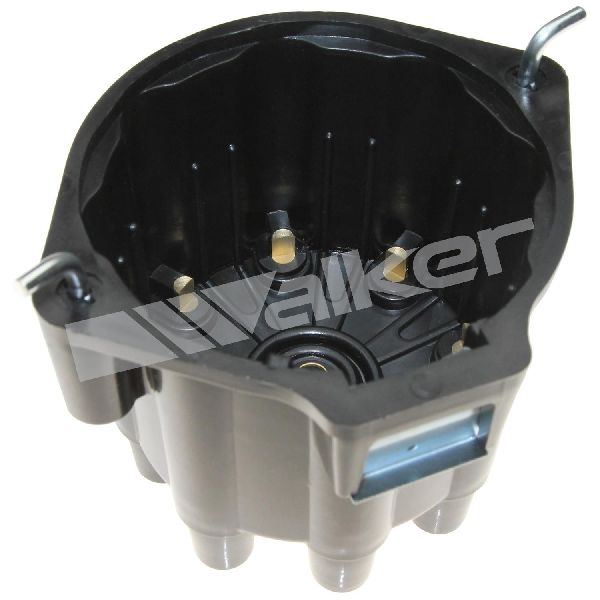
Two common brands available are Standard Ignition and Walker Products.
- Standard Motor Products (SMP): This brand has a long-standing reputation for producing quality ignition components for classic American vehicles. Forum discussions among mechanics and classic car enthusiasts often recommend SMP as a reliable choice, comparable to original quality.
- Walker Products: This is another established aftermarket brand. While less specific information is available regarding the quality of their distributor caps for this particular application, they are a known manufacturer of ignition and fuel system components.
Pro Tip: When choosing a cap, look for one with brass terminals instead of aluminum. Brass is a better conductor and is more resistant to corrosion, which can provide a longer service life and more consistent performance.
Typical Replacement Costs
Replacing the distributor cap is an affordable and simple job. The parts are inexpensive, and labor, if you choose to use a mechanic, is minimal.
| Part/Service | Estimated Cost |
|---|---|
| New Aftermarket Distributor Cap | $24.44 - $34.65 |
| Shop Labor | $50 - $100 |
Frequently Asked Questions (FAQ)
Can I replace the distributor cap myself?
Yes, this is a very easy DIY job for most owners. It typically involves removing two clips or screws, carefully swapping the spark plug wires one by one to the new cap to maintain the correct firing order, and securing the new cap. Basic hand tools are all that's required.
How often should I replace the distributor cap?
There is no strict interval, but it's good practice to inspect the cap and rotor during any major tune-up, or roughly every 15,000-20,000 miles. Replace it if you see any cracks, heavy corrosion on the terminals, or carbon tracking (looks like pencil lines on the inside of the cap).
What's the difference between Inline-6 and V8 caps?
The 1955-1959 GMC 150 was available with different engines, including Inline-6 and V8 options. These engines use different distributors and therefore require different distributor caps. Always ensure the part you are ordering is specified for your exact engine.
Should I replace the rotor at the same time?
Yes, it is highly recommended. The distributor rotor is the part that spins inside the cap and it wears out at a similar rate. It's an inexpensive part and is replaced at the same time as the cap as part of a standard tune-up.
Technical Specifications
Vehicle and engine configuration must be matched. During the 1955-1959 period, GMC used various Inline-6 and V8 engines, which may require different distributor caps. Visually match the new cap to the old one before installation.
We Have This Part in Stock


The information in this article is provided for general reference and educational purposes only. Vehicle specifications, procedures, and part compatibility can vary by production date, trim level, and region. Always consult your vehicle's factory service manual and verify part numbers before purchasing or performing repairs. Safety-critical components such as airbags, seat belts, and braking systems should be installed by a qualified professional.