

Ignition Coil Guide for the 1955-1956 Studebaker Police Car
Getting the right ignition coil is critical—here’s how to choose the correct one for your classic Studebaker patrol car.
- The most critical step is confirming if your car is a 6-volt (1955) or 12-volt (1956) system before ordering.
- New OEM parts are unavailable; choose a quality aftermarket brand like Standard Ignition or NGK for reliability.
- Replacement is a simple DIY task that takes less than 30 minutes.
- For a full ignition tune-up, replace the points and condenser along with the coil.
Is Your Studebaker Misfiring or Hard to Start?
A failing ignition coil on a classic vehicle like the Studebaker Police Car creates obvious running problems. Since these cars don't have modern computer diagnostics, you must rely on spotting the symptoms yourself. A bad coil can feel like a fuel or carburetor issue, so check for these signs first.
- Hard Starting or No-Start: The engine turns over but struggles to fire up, or won't start at all. This is common if the coil has completely failed.
- Engine Misfires: The car sputters, shakes, or runs unevenly, especially when accelerating or under load.
- Sudden Stalling: The engine may die for no reason, particularly after it has warmed up. It might refuse to restart until it cools down.
- Loss of Power: Your car feels sluggish and weak because the spark isn't strong enough to burn the fuel efficiently.
- Rough Idle: The engine shakes or vibrates more than usual when stopped.
Pro Tip: Check Your Spark
You can do a simple test by carefully holding the end of the coil wire (the one that goes to the distributor) about 1/4 inch from a metal part of the engine block while a helper cranks the engine. A healthy coil will produce a bright blue spark. A weak, yellowish, or red spark points to a failing coil.
The Most Important Check: 6-Volt vs. 12-Volt System
Before you buy any ignition part, you must know your car's voltage. Installing the wrong coil will cause it to burn out quickly and can damage your ignition points. Many cars have been converted over the decades, so never assume.
- 1955 Studebaker Police Car: These vehicles came from the factory with a 6-volt, positive ground electrical system.
- 1956 Studebaker Police Car: This model year marked the transition to a modern 12-volt, negative ground system.
The easiest way to be sure is to look at your battery. A 6-volt battery has three filler caps on top, while a 12-volt battery has six.
Ballast Resistors Explained
Many Studebakers use an external ballast resistor—a small ceramic block usually mounted on the firewall. It reduces voltage to the coil while the engine is running to prevent the ignition points from burning out. Some aftermarket coils have an internal resistor, while others require the external one. Check your coil's specifications; using a coil with an internal resistor and an external resistor will result in a very weak spark.
Choosing the Right Aftermarket Ignition Coil
New Original Equipment (OEM) coils from Studebaker are no longer made. You will be buying a new aftermarket part, which often benefits from modern materials and can be more reliable than a 70-year-old original. Brands fall into different quality tiers.
Tier 1: Proven Quality & Reliability
- Standard Ignition (SMP): A long-standing American company known for making reliable ignition parts that meet or exceed original specs. They are a trusted choice in the classic car community and a safe bet for your Studebaker.
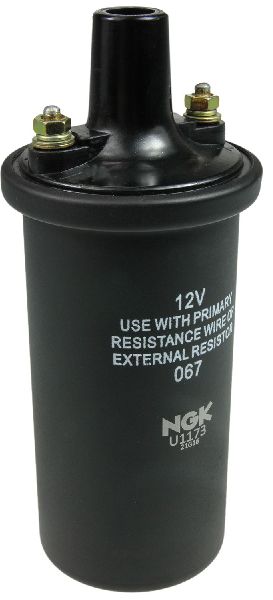
- NGK: While famous for spark plugs, NGK also produces high-quality, premium ignition coils. They are known for durability and are considered a top-tier option.
Tier 2: Budget-Friendly Options
- Spectra: Spectra Premium offers parts at a lower price point. While functional, some classic car owners report a higher rate of premature failure compared to more established brands. Consider this an economy choice where quality may be inconsistent.
Cost of a New Ignition Coil for a 1955-1956 Studebaker Police Car
| Part Type | Estimated Cost |
|---|---|
| New Aftermarket Coil | $28.62 - $51.38 |
| New OEM (NOS) | Not commonly available; cost varies widely |
| Shop Labor | $60 - $120 |
Frequently Asked Questions (FAQ)
Is it hard to replace the ignition coil on my Studebaker?
No, this is a very easy job suitable for any DIY mechanic. It involves disconnecting the battery, removing two small primary wires, pulling off the main coil wire, and unbolting the coil from its bracket. The entire job usually takes less than 30 minutes.
Do I need a 6-volt or 12-volt coil?
Check your battery. Three water filler caps mean you have a 6-volt system (likely a 1955 model). Six caps mean you have a 12-volt system (likely a 1956 model). Always verify, as the system could have been converted by a previous owner.
Should I replace anything else at the same time?
Yes. It is highly recommended to replace the ignition points and condenser when you install a new coil. These three parts work together, and replacing them all at once ensures a complete and reliable tune-up of your primary ignition circuit.
Are there any recalls for the ignition coil on a 1955-1956 Studebaker Police Car?
No. There are no recalls or Technical Service Bulletins (TSBs) from the manufacturer or NHTSA for the ignition coil on this vehicle, which is normal for a car of this age.
Technical Specifications
Canister-style ignition coil. Available for 6-volt (positive ground) or 12-volt (negative ground) systems. May require an external ballast resistor depending on the specific coil design. The ignition system uses mechanical points and a condenser.
We Have This Part in Stock


The information in this article is provided for general reference and educational purposes only. Vehicle specifications, procedures, and part compatibility can vary by production date, trim level, and region. Always consult your vehicle's factory service manual and verify part numbers before purchasing or performing repairs. Safety-critical components such as airbags, seat belts, and braking systems should be installed by a qualified professional.