

Radiator Coolant Hose Guide for the 1955-1956 Studebaker E7
Keep your classic Studebaker truck's engine running cool and prevent a breakdown by understanding your radiator hoses.
- For a 1955-56 E7, modern aftermarket hoses from a brand like Gates are more reliable than any surviving original parts.
- Always inspect hoses for cracks, swelling, or spongy feelings; these are signs of imminent failure.
- Choose a molded hose over a universal one to ensure correct fit and prevent flow restrictions.
- If one radiator hose is being replaced, it's best practice to replace the other at the same time, along with the clamps.
Signs of a Failing Radiator Hose
On a classic truck like the Studebaker E7, rubber parts are often the first to fail from age. The original rubber has likely been exposed to decades of heat and pressure. Inspecting your hoses regularly is the best way to prevent getting stranded.
- Coolant Leaks: Puddles of green or yellow, sweet-smelling fluid under the front of your truck are a clear sign of a leak. You may also see dried, crusty coolant residue around the hose clamps or on the hoses themselves.
- Visible Damage: Look for cracks, splits, or brittle spots on the hoses. Oil contamination from other leaks can cause the hose to swell, bulge, or feel soft and spongy.
- Engine Overheating: If your temperature gauge is climbing into the red, a bad hose could be the cause. A leak can lower the coolant level, or a hose can collapse internally, blocking the flow of coolant.
- Collapsed Lower Hose: The lower hose is on the suction side of the water pump. On older vehicles, it can get sucked flat if the hose wall has become weak, starving the engine of coolant.
Choosing the Right Aftermarket Hose
For a vintage truck like the E7, finding a “New Old Stock” (NOS) OEM hose from the 1950s is not only rare, but the rubber would be too old to be reliable. A modern aftermarket hose is the superior choice for safety and durability.
Brand Quality: Gates
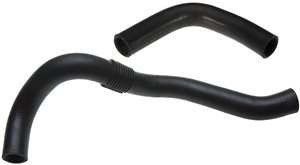
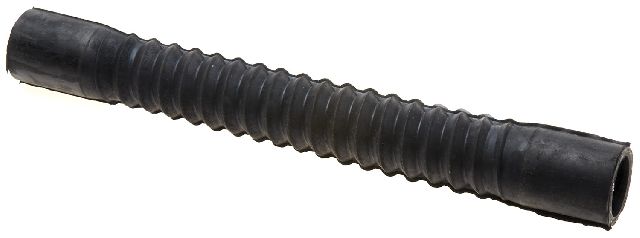
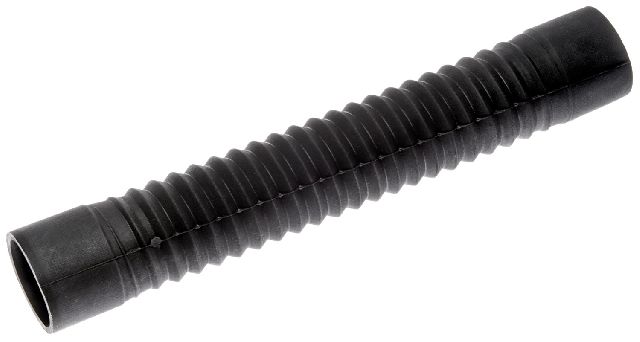
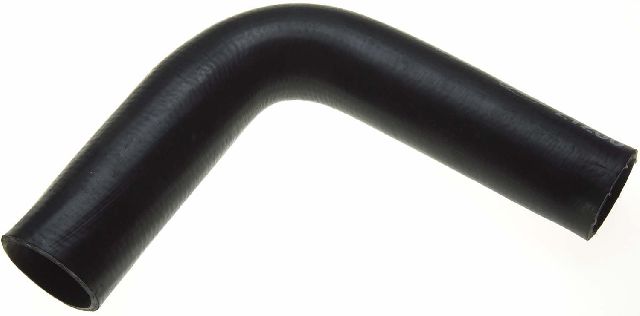
Gates is a well-known and respected brand in the aftermarket industry, often considered a top choice for replacement hoses on classic vehicles. Their hoses are made from modern EPDM rubber, which is engineered to resist heat, ozone, and chemical degradation from today's coolants. For a vehicle like the Studebaker E7, a quality molded hose from Gates provides a reliable, OEM-quality fit and performance.
Estimated Costs for Radiator Hose Replacement
| Part Type | Price Range |
|---|---|
| New Aftermarket Hoses (Gates) | $25.11 - $43.19 |
| Shop Labor | $100 - $200 |
Prices are estimates and can vary based on location and specific retailer.
Frequently Asked Questions
Can I replace the radiator hoses on my Studebaker E7 myself?
Yes, this is a job that most DIY mechanics can handle. Access on these classic trucks is generally good, and the process requires basic hand tools. You will need to drain the coolant, remove the old clamps and hoses, install the new parts, and then refill and bleed the cooling system.
Should I replace both the upper and lower hoses at the same time?
Yes. If one hose has failed due to age, the other is likely in the same condition. Replacing both at the same time is cheap insurance against a future failure.
What kind of coolant should I use in my 1955-1956 Studebaker?
For classic vehicles like the E7, a traditional "green" Inorganic Additive Technology (IAT) antifreeze is the standard recommendation. Modern long-life coolants may not be compatible with the original materials used in the radiator and engine gaskets.
Are there any recalls for 1955-1956 Studebaker E7 radiator hoses?
No. There are no specific recalls or Technical Service Bulletins (TSBs) from the NHTSA for radiator hoses on the 1955-1956 Studebaker E7. The federal agency that handles vehicle recalls was formed long after these trucks were manufactured.
Technical Specifications
OEM Part Numbers: 1685684 1685689
Material: EPDM Rubber. Some replacement hoses may be a 'cut-to-fit' style, requiring trimming for an exact fit.
We Have This Part in Stock

The information in this article is provided for general reference and educational purposes only. Vehicle specifications, procedures, and part compatibility can vary by production date, trim level, and region. Always consult your vehicle's factory service manual and verify part numbers before purchasing or performing repairs. Safety-critical components such as airbags, seat belts, and braking systems should be installed by a qualified professional.